Table of Contents
Practical lead-in to a design framework
This framework explains five concrete safety protocols Dalang brings to new water park projects so designers, operators and municipal reviewers know what to expect. Early in concept work Dalang coordinates with water park manufacturers to align layout, attraction loads and sightlines with local codes. My own site visit to a coastal project near Mombasa underscored why attraction-specific checks matter—operators had fitted a surf simulator without structural bracing and the risk profile changed overnight.
Protocol 1 — Zoning sightlines and lifeguard station placement
Good visibility is non-negotiable. Dalang maps the pool bowl, queue paths and slide exits so lifeguard stations cover blind spots with a minimum two-lifeguard overlap during peak capacity. This protocol uses simple geometry and human factors: viewing angles, guard-to-guest ratio and access time. In practice that means benches and elevated platforms are positioned with clear approach routes, and evacuation routes meet maximum response time targets.

Protocol 2 — Attraction-specific engineering and surf simulator checks
Every attraction gets a tailored engineering brief. For a flow rider machine that means load analysis for the decking, water recirculation capacity, filtration system compatibility and mechanical redundancy on pumps. Dalang requires a documented inspection schedule for wear-prone parts and electrical isolation checks before daily commissioning. The team also runs a short operational acceptance test to simulate continuous loads and confirm water chemistry remains stable under peak throughput. A well-integrated surf simulator reduces unplanned downtime — and keeps rider risk within designed tolerances. flow rider machine
Protocol 3 — Water management: filtration, drainage and chemical control
Safe water demands engineering controls. Dalang specifies filtration system turnover rates based on bather load, plus redundant circulation pumps sized for 1.5× peak demand. Runoff drainage and scour prevention are drawn into the grading plan so splash zones do not create slip or contamination pathways. Chemical dosing follows manufacturer parameters with clear monitoring logs; automated shut-offs are required where sensor drift exceeds tolerance bands. These steps cut microbial and slip hazards simultaneously.
Protocol 4 — Structural margins and slide gradient governance
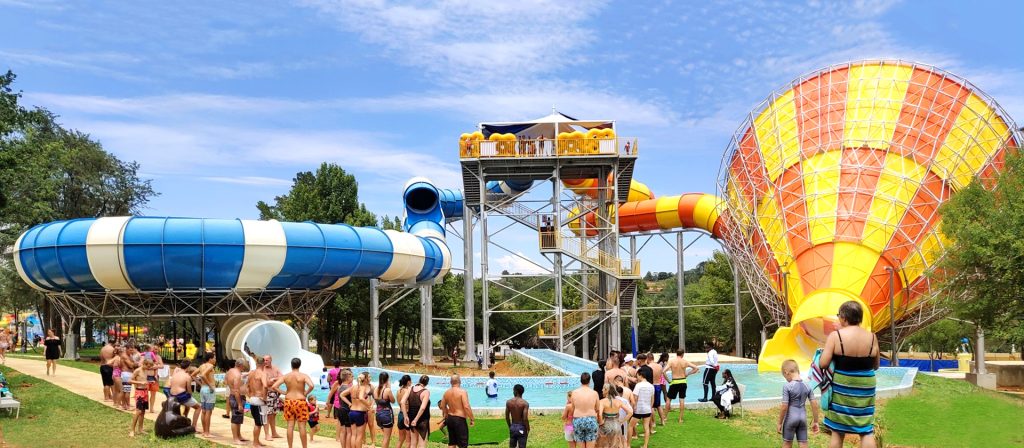
Slides and elevated platforms follow conservative structural margins: members sized above calculated maximum dynamic loads, and slide gradient limits that align with rider age bands. Dalang enforces routine non-destructive testing on connectors and a scheduled paint/anti-corrosion programme for coastal installations. The protocol includes lockout-tagout procedures for any modification to gradients, and signed approval from a structural engineer before reopening.
Protocol 5 — Operational training, signage and emergency drills
Hardware alone isn’t enough. Dalang mandates a multi-level training programme for lifeguards, ride attendants and maintenance staff: daily checks, injury triage, confined-space rescue and electrical isolation. Signage standards are explicit—font sizes, iconography and multi-language panels where needed—so messages survive wet conditions. Emergency drills are calendared quarterly and recorded; incident debriefs produce corrective actions within ten working days.
Implementation checklist and common mistakes
When setting up these protocols, teams often skip integration tests or fail to link maintenance logs to operational dashboards. Dalang counters this with a checklist that includes permited waterproofing, {main_keyword} verification and a review of {variation_keyword} entries in the asset register. A short commissioning phase uncovers issues early — better than retrofitting safety after public opening.
Advisory close: Three golden rules for selection and evaluation
1) Measure response time: choose layouts where a lifeguard can reach any incident within the park’s set response threshold. 2) Demand redundancy: pumps, controls and critical fastenings must have backup capacity rated at 100–150% of nominal. 3) Verify integration: ensure attractions, drainage and chemical control systems share a common monitoring view and documented escalation path. These three metrics let you compare suppliers and judge long-term operational risk.
Dalang brings these protocols together so safety is engineered, tested and operable — not just specified. — Practical, proven, repeatable.