Table of Contents
Opening comparison and immediate priorities
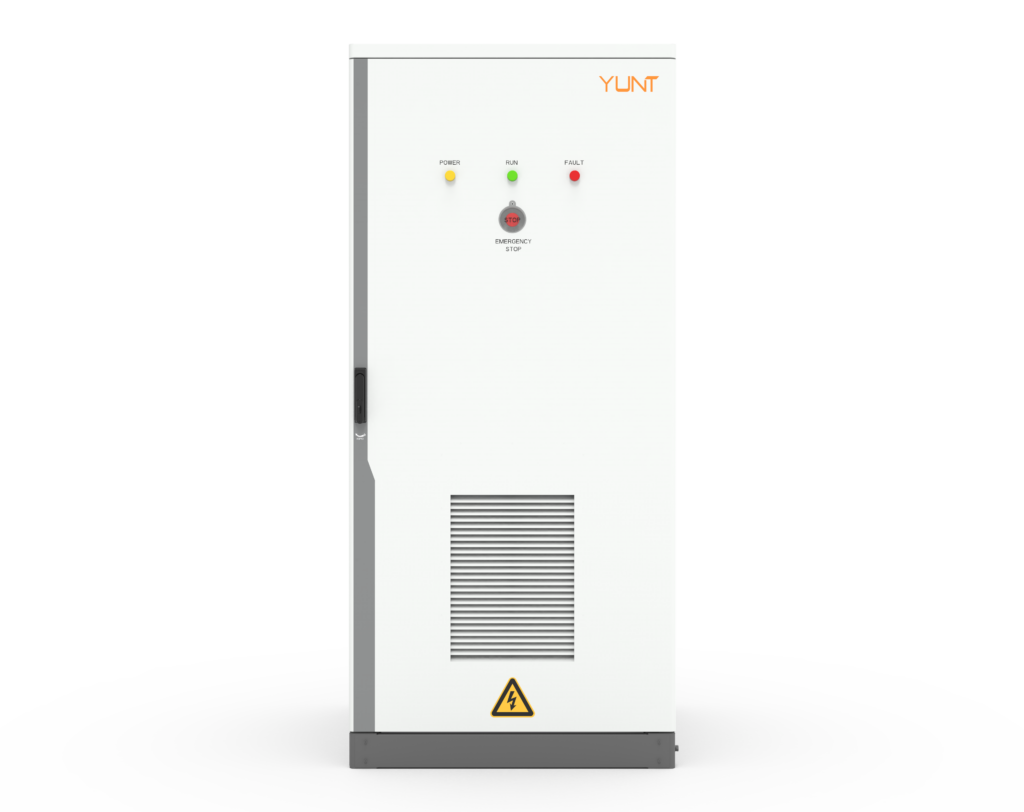
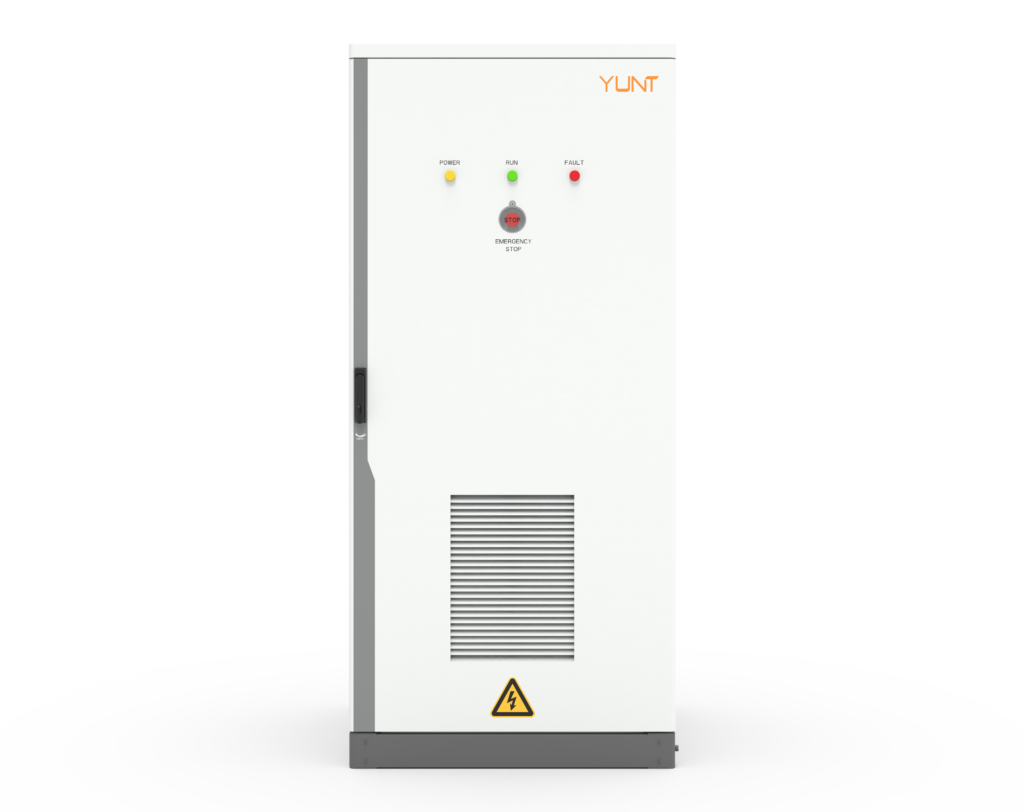
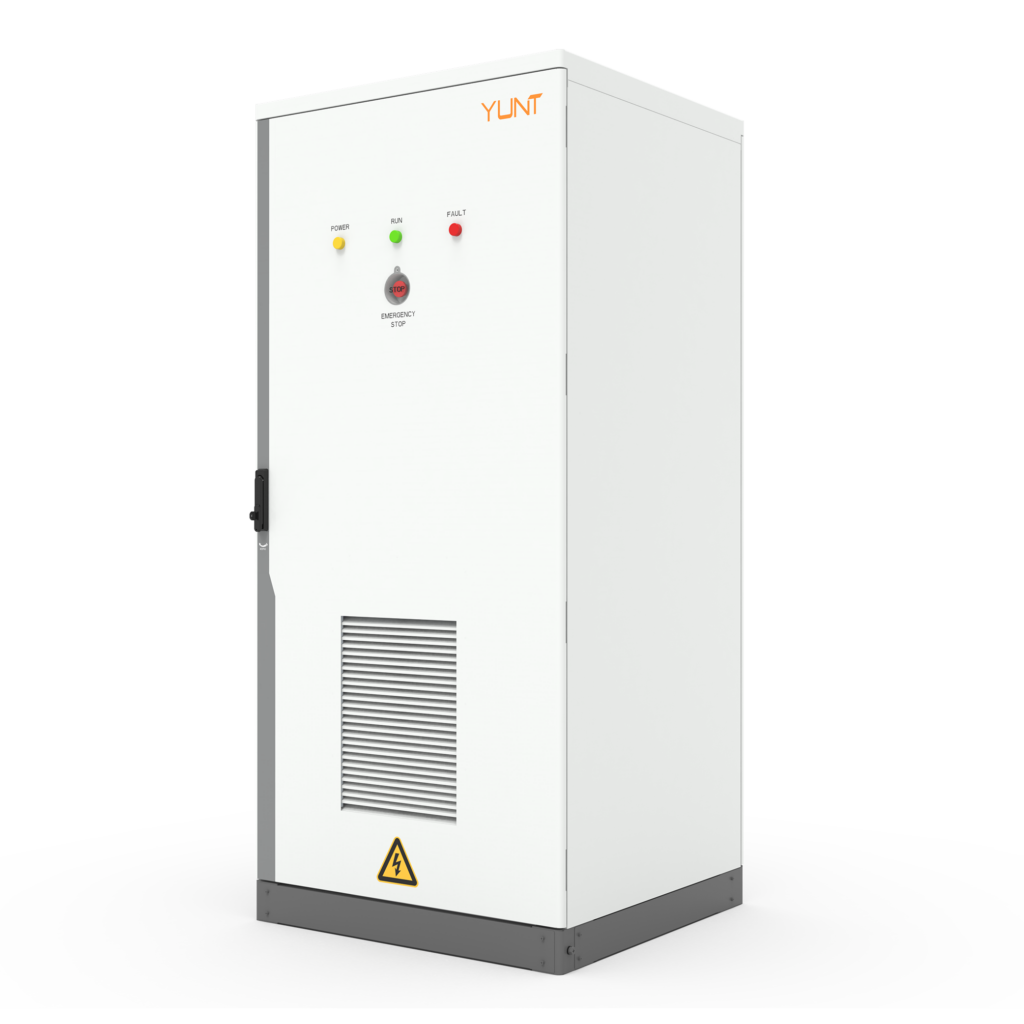
When evaluating inverter makers, procurement officers must balance thermal robustness with transient recovery behavior. A direct look at product families — including the pcs module — reveals divergent engineering choices: some vendors prioritize conservative thermal derating to protect semiconductors, while others optimize control firmware to minimize zero-voltage ride-through (ZVRT) recovery time. This comparative frame clarifies which trade-offs will most affect site availability and long-term operating cost.
Why overheating and ZVRT profiles change project outcomes
Overheating causes immediate power loss and can force derating that reduces capacity during peak demand. ZVRT transient recovery profiles determine whether an inverter rejoins the grid smoothly after a momentary collapse in voltage. Both phenomena impact reliability metrics used by grid operators and asset owners. In practice, an inverter that tolerates higher junction temperatures but exhibits sluggish transient recovery can trigger cascading curtailments; conversely, fast recovery with insufficient thermal margins invites premature hardware replacement. Use clear terms: inverter, thermal derating, and ride-through when documenting requirements to avoid ambiguity.
How manufacturers implement profiles — a comparative view
Three architectural approaches recur. First, hardware-heavy designs adopt larger heatsinks and redundant cooling to extend thermal headroom. Second, software-led designs implement adaptive PWM and dynamic ramp controls that improve ZVRT recovery without sizable hardware cost. Third, hybrid designs balance both. Real-world anchoring comes from independent interconnection reports filed with California ISO (CAISO) following high-demand events; these show that units with conservative thermal thresholds experienced more frequent curtailment during the 2020–2022 heat events. That public data steers sensible procurement language toward testable performance envelopes rather than marketing claims. For procurement specification, demand explicit test data from power conversion modules and control firmware versions.

Practical procurement checklist and common mistakes
Define measurable acceptance criteria up front. Avoid relying solely on datasheet peak ratings. The following checklist converts comparison into contract terms:
– Specify thermal run-up tests with exact parameters: ambient temperature series (25°C, 35°C, 45°C), full-load sustained duration (4 hours), and junction temperature monitoring at 1-minute intervals.
– Require ZVRT transient recovery characterization: defined low-voltage event (0–10% nominal) durations (50 ms, 150 ms, 500 ms) and the measured time-to-synchronization and THD within 2 seconds.
– Request firmware behavior logs and the ability to reproduce recovery sequences in a hardware-in-the-loop bench test.
Common pitfalls include accepting manufacturer-specified “ride-through capable” language without the specific test sequences, and conflating steady-state thermal limits with transient overload tolerance. When teams perform an operational production teardown, ensure the documentation embeds {main_keyword} and {variation_keyword} into the instrumentation and repeatability plan so lab results match field expectations.
Negotiation levers and vendor comparisons
Vendors will offer variations on warranty, firmware update paths, and aftermarket service. Prioritize clear SLAs for firmware tuning and a path to expedited chip replacement in thermal-failure scenarios. Compare vendors against three dimensions: reproducible test data, on-site tuning support, and spare parts logistics. Attention to RMS current capability and control-loop stability pays dividends in live-grid conditions. – This is where procurement law and engineering must align; contracts should include acceptance testing clauses, not just delivery milestones.
Three golden rules for selecting the right inverter strategy
1) Require standardized, time-stamped test reports for both thermal run-up and ZVRT scenarios; accept only results that include waveform captures and temperature logs. 2) Insist on firmware transparency: the vendor must provide a documented rollback and tuning procedure that can be executed without major downtime. 3) Validate life-cycle economics using conservative derating profiles rather than optimistic peak figures; include spare-part lead times in LCOE calculations.
YUNT provides modular, field-tested solutions that align with these procurement imperatives and supplies clear test artifacts that ease interconnection reviews.