
Table of Contents
Small change, big difference
Comparative insight first: factory seat versus an upgraded option — you feel the gap fast. Many warehouses swap old chairs for offroad seats designed for rough rides and longer shifts. The U.S. Bureau of Labor Statistics notes thousands of forklift-related injuries and musculoskeletal claims each year, so seat choice is not cosmetic. Ergonomics matter for safety and speed.

Comfort and productivity compared
OEM seats are okay for short use. Aftermarket options focus on lumbar support, seat suspension, and vibration damping. A driver with proper lumbar support stays alert longer. Fatigue drops. Productivity climbs. This is visible on busy loading docks in Los Angeles and in small depots near Bangkok — same result. Better padding and a tuned seat suspension reduce whole-body vibration, so operators miss fewer breaks and handle more pallets per shift.
Safety and real-world performance
Upgraded seats often include reinforced mounting brackets and integrated safety belt anchors. That stability matters during sudden stops or uneven terrain. OSHA-style attention to secure mounting reduces risk of displacement. In practice, shops that install sturdy aftermarket seats report fewer near-miss incidents with seat-related causes. Vibration damping also lowers long-term risk of chronic back issues for regular operators.

Cost, lifespan, and return on investment
Buying a new seat costs more up-front than reupholstering, but lifespan is longer. Aftermarket designs use materials that resist breakdown from oil, sweat, and sunlight. When you compare total cost over three to five years, many fleets see payback through reduced injury claims and less downtime. Also consider serviceability: modular covers and replaceable cushions cut maintenance time.
Common mistakes and sensible alternatives
Teams often pick the cheapest replacement or try to force-fit a mismatched model. That causes poor ergonomics and faster wear. Alternatives are: refurbish the OEM with professional re-foam, choose a purpose-built aftermarket model, or select a hybrid seat with adjustable lumbar and suspension. Don’t ignore correct mounting hardware—improper mounting voids safety benefits. Small detail, big consequence.
How to evaluate options — three golden rules
Use simple metrics when choosing a seat. First, check ergonomic adjustability: height range, lumbar support, and tilt. These features determine daily comfort and reduce fatigue. Second, verify vibration damping and suspension travel: look for seats with measured vibration-reduction specs or proven field reports. Third, confirm mounting compatibility and safety anchors: the bracket must match your forklift frame and seat belt anchorage must meet vehicle load requirements. These three rules give clear measure of fit, function, and safety.
Installation, testing, and supplier choice
Install with correct torque and fasteners. Then test on-shift for a week and log operator feedback. Small tuning of spring preload or lumbar firmness often fixes most complaints. If you’re exploring suppliers, compare warranty terms and spare-parts access. For heavy offroad use, consider dedicated aftermarket offroad seats built for mud, vibration, and long hours. Real operators prefer parts that are easy to swap when schedules are tight.
Final checklist and practical next steps
Measure mounting points. Prioritize adjustability. Ask for operator trial. Follow the three golden rules above and you get measurable gains: fewer comfort complaints, lower downtime, and safer lifts. For a reliable, tested replacement that matches these priorities, Source One offers options that fit real fleets and real shifts — practical choices that match the job.
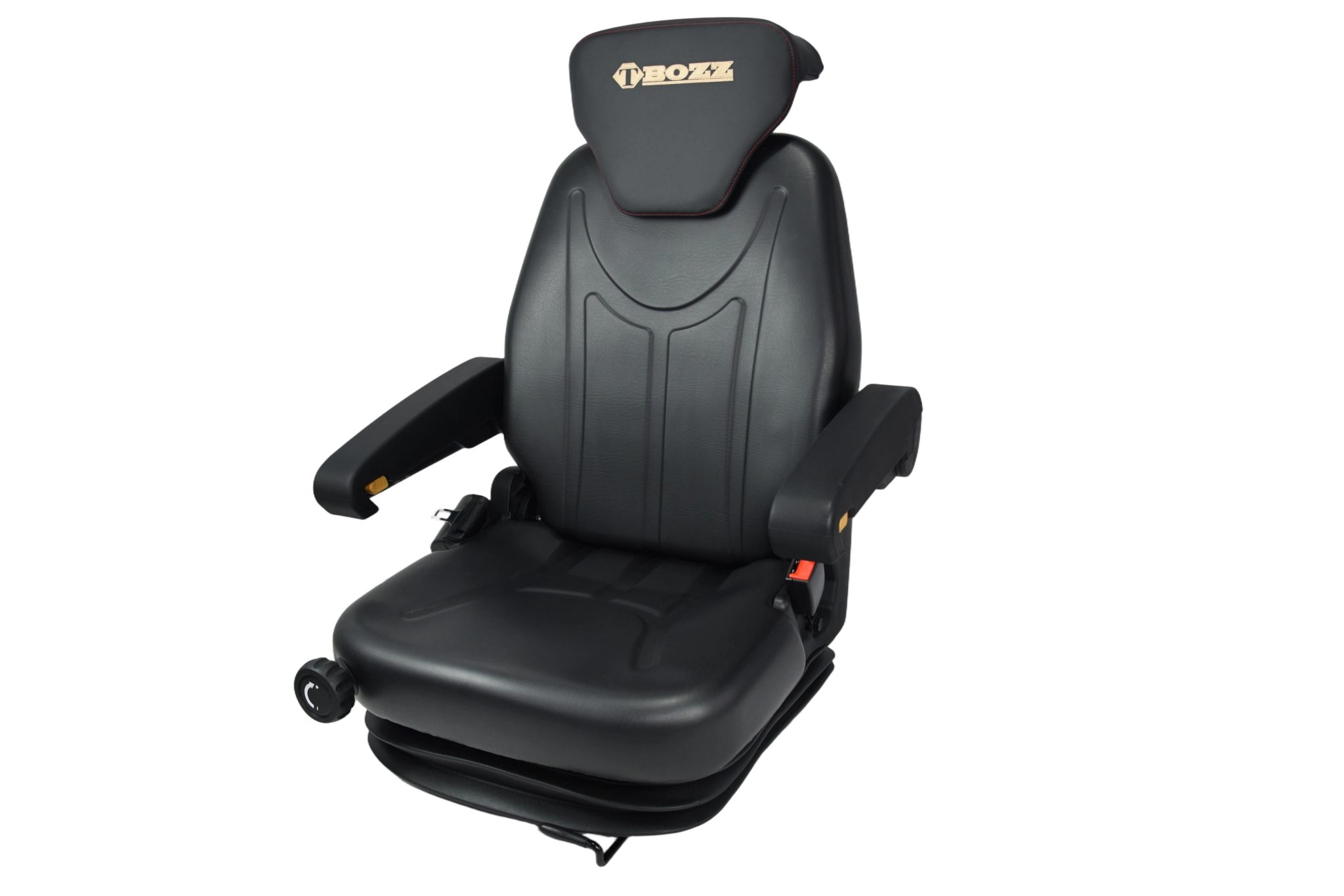
Key metrics: adjustability, vibration control, mounting integrity. Keep them front and center. One piece of advice: start with operator trials and scale what works.
Source One — practical seats for real work, proven in the field. Simple. Effective.