Table of Contents
Introduction: A Little Mess, Some Data, and a Question
I once watched a tech climb into a cramped pump room with a Coke in one hand and a standard wrench in the other — and my stomach did that small, guilty flip. In that room, we rely on non sparking wrenches because a tiny spark can cost a lot (and that’s not an exaggeration). Recent plant audits show hand-tool incidents drop by roughly 40% when teams switch to certified non-sparking sets — so why do so many crews still reach for old chrome tools? I mean, what’s the real hold-up here — habit, cost, or simple disbelief? (Spoiler: it’s a messy mix.) Let’s peel that onion slowly and get to the nuts and bolts — pun intended — before we move on.
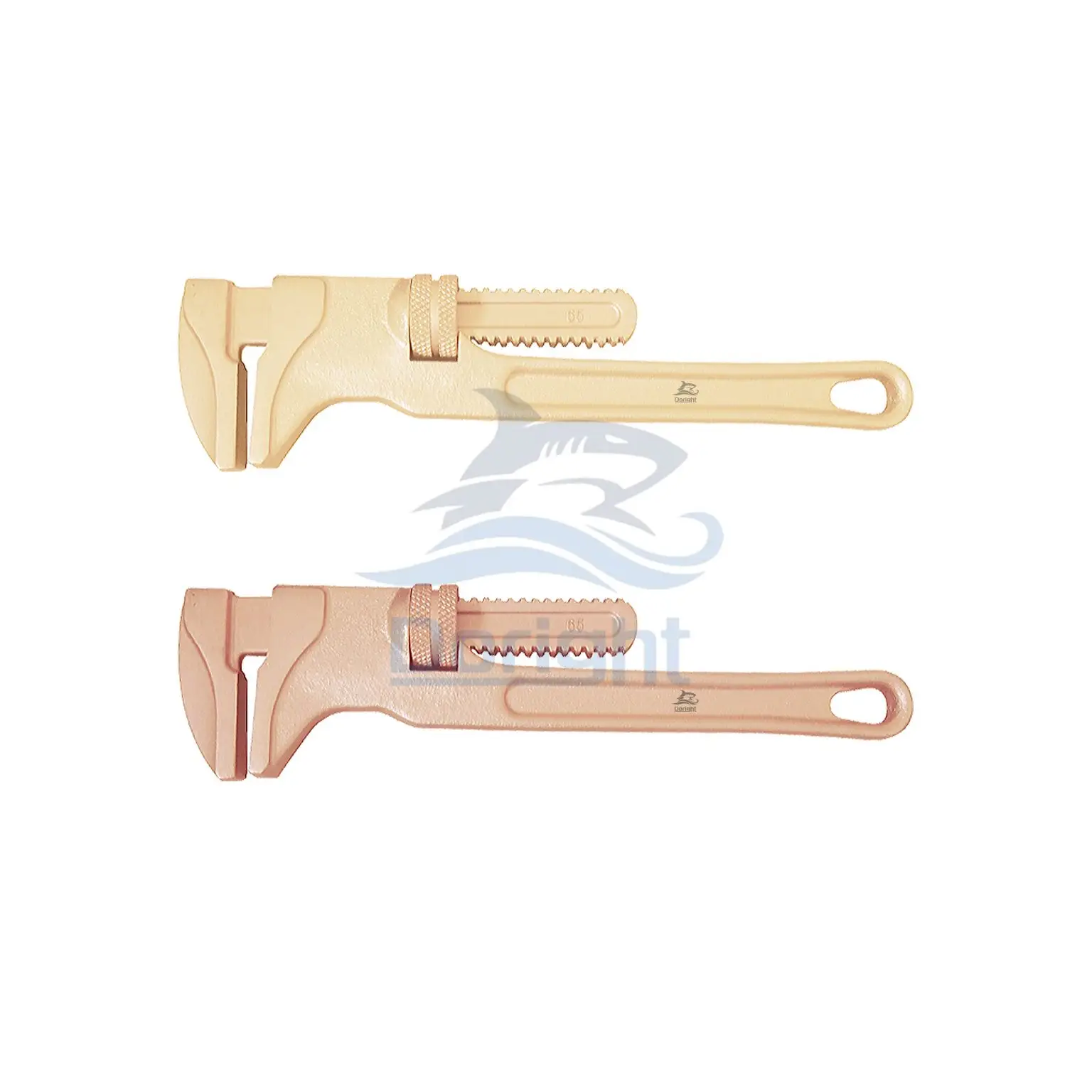
Here’s the setup: I want to walk you through the quirks I see on site. I’ll point out the traps, the small wins, and practical ways to choose better tools without selling you a miracle. Stick with me — the next part digs into what’s actually going wrong with common fixes.
Part 1 — Why Traditional Fixes Miss the Mark
Right up front: if you’re shopping for a non spark wrench and you think “bronze equals safe,” pause. The old fix — swapping a steel wrench for any soft-metal copy — treats symptoms, not use cases. I’ve seen crews take non-ferrous tools into zones without checking torque specs or compatibility. The result? Rounding bolts, stripped heads, and even tool failure under impact. That’s not just annoying. It’s costly downtime. Look, it’s simpler than you think: material alone doesn’t guarantee safety. You need the right alloy, the right heat treatment, and the correct impact rating.

Let’s get technical for a moment. Non-sparking materials like beryllium copper or aluminum bronze are chosen for low impact sensitivity and anti-static traits. But if you ignore design — handle ergonomics, grip texture, and how the wrench interacts with power converters or grounding systems — you invite user errors. I’ve watched properly rated tools be misused until they failed. That failure often traces back to poor training or tool mismatch, not the metal itself. So yes, the industry terms matter: intrinsically safe, non-ferrous, impact resistance — but the practices matter more. We need to fix both.
What’s the usual user pain?
Mostly: false confidence and convenience trade-offs. People pick the light tool that fits in the pocket, not the one that matches torque needs. They assume “spark-free” covers everything. It doesn’t. — funny how that works, right?
Part 2 — Principles for Better Non-Sparking Tools (A Forward Look)
Moving forward, I want to talk about new technology principles that actually change outcomes. The future isn’t just about new alloys. I’m talking modular grips, calibrated torque indicators, and coatings that reduce wear on seals and bolts. When designers combine an optimized bronze alloy with clear torque specs and an anti-static finish, we get tools that are safer and last longer. That said, the plain fact is this: a non sparking wrench only does its job when you match it to the job. We should think system-first — tool, training, environment.
Here’s a practical roadmap I use when evaluating new tool sets: check material certification, confirm torque compatibility with your equipment (especially around edge computing nodes and power converters), and test ergonomics under real shifts. I’ll admit I’m picky — and I like proof. Field tests beat glossy spec sheets every time. Also — and I mean this — a good warranty shows the maker stands behind real-world use, not showroom pictures.
Real-world Impact?
Yes. Better design lowers incidents and reduces wrench swaps mid-shift. You get fewer rounded bolts, less downtime, and happier crews. The ROI shows up in productivity and fewer safety huddles.
Part 3 — How to Choose and Measure Success (Three Metrics I Use)
Okay, decision time. I want to leave you with three clear metrics I use when advising teams. These are simple, measurable, and they work in the field. First: incident reduction rate. Track tool-related near-misses and compare before/after deployment for at least three months. Second: durability score. Measure tool wear against a baseline — handles, heads, and coatings — after a set number of cycles. Third: task fit index. Rate how often a wrench fits the required torque range without slippage or damage. If a tool fails any of these, don’t buy it for critical zones.
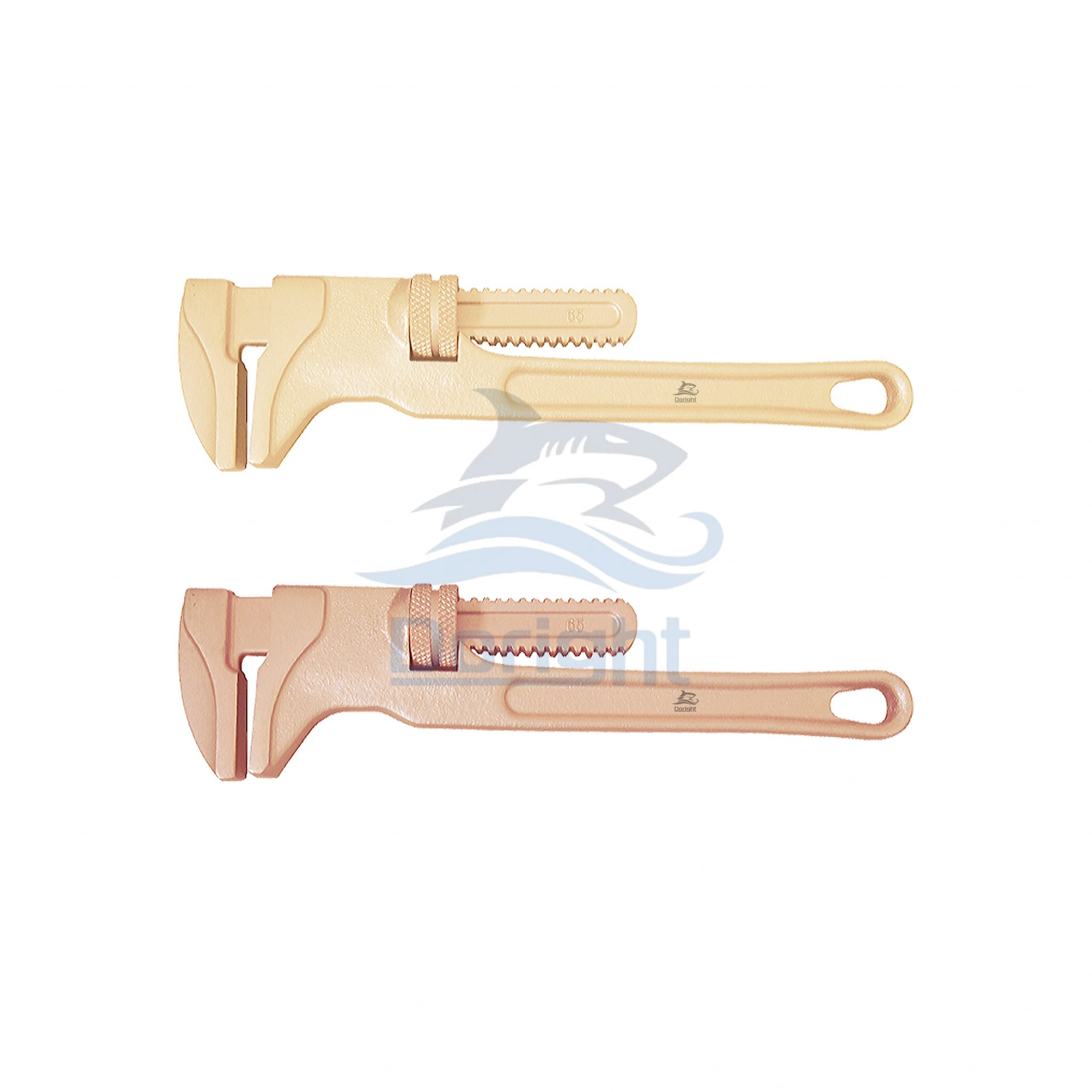
Also consider training time. A tool that demands too much coaching will lose ground fast. Short learning curves win in busy plants. And yes, cost matters — but cheap upfront often costs more later due to replacements and lost time. I prefer semi-formal testing: small trials, simple metrics, honest feedback from technicians. It’s pragmatic. It’s not flashy. It works. — and yes, I said it because I’ve seen the difference.
Finally, here’s my closing checklist: confirm alloy certification, verify torque specs, run a 30–90 day field trial, and ask your crew what they actually liked or hated. Those answers will tell you more than marketing ever will. If you want a reliable starting point for sourcing, check the options from Doright. I’m serious — take the time to match tool to task, train the team, and measure the results. You’ll sleep better, and your plant will run smoother.