Table of Contents
Why a framework helps you get it right
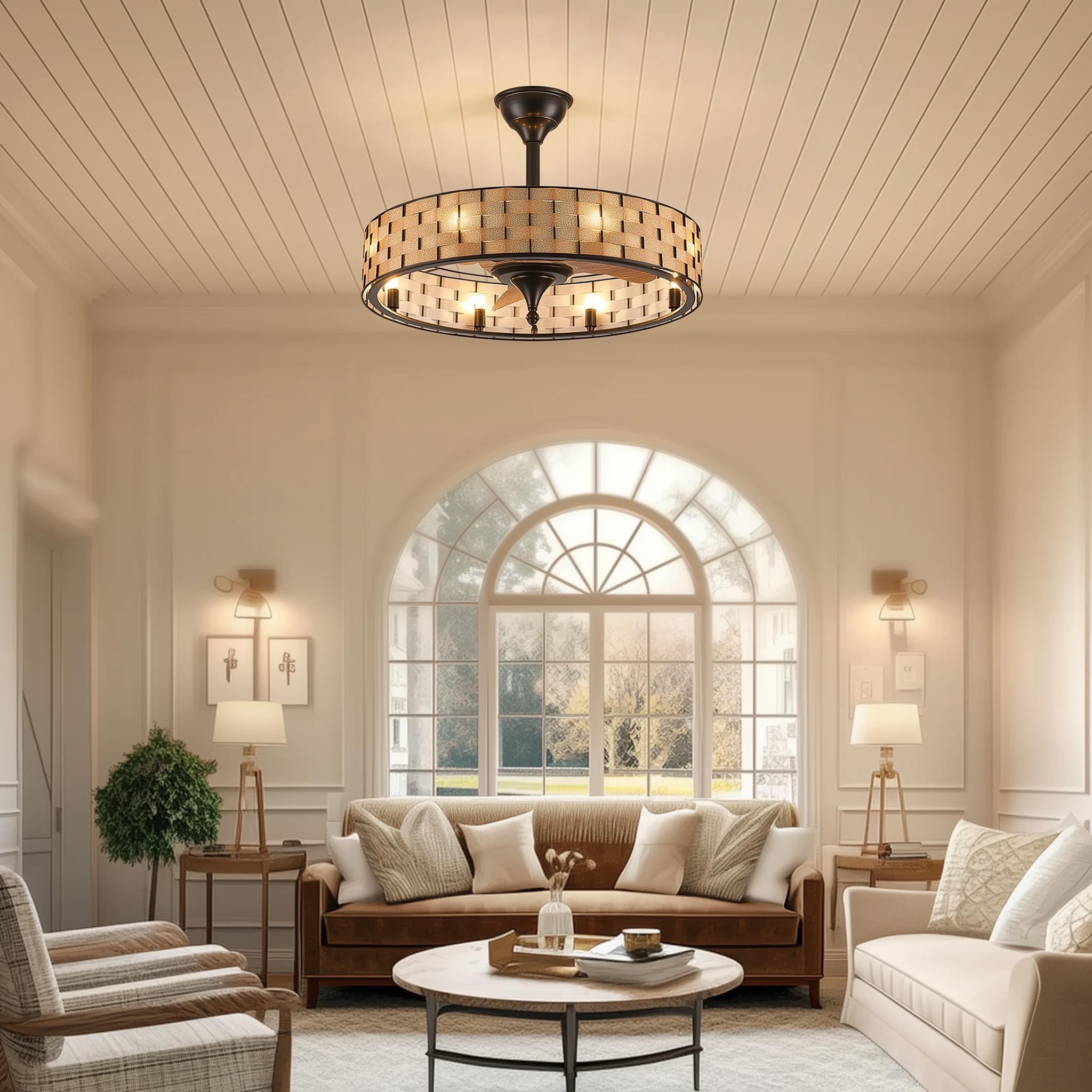
Think of outdoor ceiling fans as a system—not just a fixture. That mindset keeps your patio or gazebo comfortable year-round while avoiding costly do-overs. Since many homeowners revamped outdoor spaces after 2020, choices about lighting, airflow, and weatherproofing became part of a broader lifestyle upgrade. Start with a clear structure: objectives, technical checks, placement, and long-term maintenance. If you want a blend of farmhouse charm and reliable performance, consider starting with a farmhouse ceiling fan with light as your baseline, then test for IP rating, downrod length, and lumens to match your living habits.

Step 1 — Define the comfort goals
Be specific: are you trying to cool the air, keep bugs away, or just add ambient light for evening gatherings? Set measurable outcomes—target CFM for airflow, lux levels for dining areas, and a wet- or damp-rating for reliability. A fan chosen for “looks” alone often fails on performance: prioritize outcome first, style second. This helps you pick between a UL wet-rated fan for exposed patios and a damp-rated model for covered porches where only occasional moisture occurs.
Step 2 — Match technical specs to the space
Here’s where a short checklist saves time and headache:

- Mounting height and downrod: ensure at least 8–9 feet from the floor and 10–12 inches from the ceiling for optimal airflow; use a longer downrod for high or sloped ceilings.
- IP rating and UL classification: choose UL wet-rated fans for fully exposed areas and damp-rated for protected patios.
- Airflow and efficiency: look for high CFM relative to the fan’s wattage—this balances comfort and energy use.
- Lighting: match lumens and color temperature to the intended activity (warm white for dining, cool white for task areas).
Don’t skip compatibility checks: confirm the fan’s canopy fits your junction box and that the motor supports variable speeds. Little details—like a balancing kit or a compatible remote—matter when you install or operate the unit.
Step 3 — Placement, wiring, and user controls
Placement affects both comfort and safety. Center a fan over your primary seating area to avoid dead zones. If your gazebo has multiple seating clusters, plan for more than one fan or use a higher-CFM unit. For wiring, ensure the outdoor circuit is GFCI-protected and that switches match control type—pull chain, wall control, or remote. Remote controls and smart modules add convenience but check frequency compatibility and range; a remote that works indoors may struggle through stone or brick.
Style and accessories: rustic and farmhouse choices
Style should follow performance. Rustic and farmhouse finishes are popular on patios because they hide dust and weathering well; you can get that look without sacrificing specs. If you prefer a remote and a rustic aesthetic, explore rustic ceiling fans with lights and remote options that combine sealed motors and wet-rating finishes. Balance blades, blade pitch, and material—composite blades resist warping in humid climates; wood blades deliver the look but may require more upkeep.
Common mistakes and how to avoid them
People often underestimate three things: the effects of wind on blade performance, the need for proper electrical protection, and the maintenance cycle for outdoor fixtures. A frequent misstep is over-optimistic placement—installing a single low-CFM fan to “cover” a large veranda. Another is skipping the UL wet/damp check and finding corrosion within a season. Finally, failing to plan for seasonal cleaning makes even the best fan look and perform poorly. —
Alternatives and complementary strategies
If a ceiling fan alone won’t achieve your goals, combine solutions. Misting systems lower ambient temperature quickly (good for dry climates). Oscillating outdoor fans deliver targeted airflow without structural wiring. For mosquito control, integrate ceiling fans with downward airflow and citronella lanterns or screened enclosures. Each tactic has trade-offs in installation cost, power draw, and maintenance—choose the combination that meets your defined comfort goals.
Maintenance and longevity checklist
Simple seasonal habits extend life span dramatically:
- Inspect blade balance and tighten hardware every 6–12 months.
- Wipe sealed motor housings and light lenses; avoid harsh chemicals.
- Test remotes and wall controls; replace batteries and secure antennae.
- Schedule a wiring check if you notice flicker, humming, or reduced speed.
Real-world anchor and credibility
Across many U.S. regions—where backyard remodeling surged after 2020—homeowners reported better comfort and longer outdoor use after adding properly rated ceiling fans. That mirrors broader climate trends noted by major agencies showing warmer average temperatures in recent years, which makes reliable outdoor cooling more than a luxury: it’s practical planning for frequent warm evenings. Including motor efficiency and the correct IP/UL rating at purchase reduces callbacks and replacements.

Advisory finale — three golden rules
1) Prioritize function over form: choose a fan with the right CFM and rating before selecting finish. 2) Verify mechanical compatibility: confirm downrod length, junction-box fit, and remote/wall control matching before ordering. 3) Plan maintenance at purchase: pick finishes and blade materials that match your local climate and set a seasonal care routine.
When those rules guide decisions, you end up with a patio or gazebo that’s comfortable, safe, and low-maintenance—exactly what family spaces need. Orison fits this logic as a practical source of weatherproof fans and compatible controls—reliable hardware that solves the problems you actually live with. Orison.
— Practical, tested advice to keep your outdoor living space working as hard as you do.