Table of Contents
Facing the Problem: Why inconsistent vulcanization breaks operations
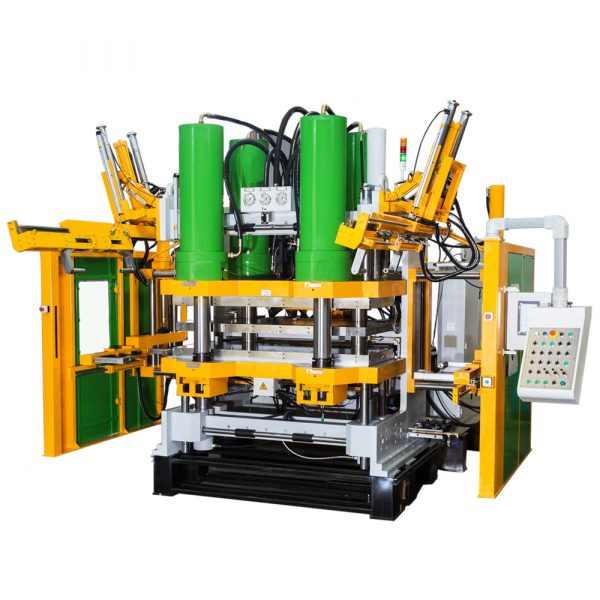
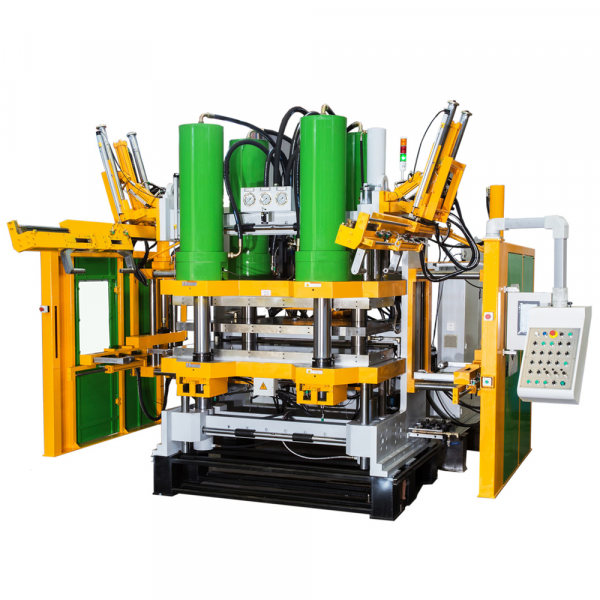
When compound mixing is sound but belts fail early, the root cause often sits inside the vulcanizing cycle—unstable curing temperature or an uneven pressure curve. Maintenance teams in Kathmandu and other industrial hubs frequently see seams that look fine at first but develop premature cracks or delamination after a few weeks. A precise belt vulcanizing machine rubber belt vulcanizing machine with reliable control of curing temperature and pressure curve reduces those surprises and limits costly downtime.
Understanding the problem: what curing curves reveal
Curing temperature and pressure together determine cross-link density during vulcanization. If the heat ramp is too fast or pressure drops mid-cycle, the joint cures unevenly and the modulus varies along the splice. Industry terms here are simple but important: vulcanization, curing temperature, and pressure curve. Readouts from the press tell you whether the splice received the programmed heat and force throughout the cycle — not just at the start.
On-site realities: portable vulcanizers and common failure modes
Field teams rely on portable equipment for repairs, and a good portable tracker makes the difference between a lasting splice and a repeat visit. Many workshops use a portable belt vulcanizer to manage repairs on conveyors in mines and factories. Typical failure modes are thermal overshoot, insufficient press force, and uneven platen contact. These show up as surface bubbles, weak shoulders, or full-width delamination rather than neat bead failures.

What to monitor: practical signals from the press
Focus on three measurable signals during each cycle: temperature profile, pressure stability, and dwell time. A stable curing temperature trace should rise smoothly, hold within tolerance, and descend predictably. The pressure curve must not sag during the hold period; a hydraulic press that lets pressure drop will leave unbonded pockets. Log these parameters on every job—data builds confidence and creates a reference for future audits.
Common mistakes and the easy fixes
Many teams repeat the same missteps. They reuse settings from a different compound, assume a steady line speed equals proper cure, or skip platen maintenance. Simple fixes often work best:
– Match the cycle to the compound’s curing profile rather than past habits. – Inspect platen surfaces before every job; debris or wear changes contact pressure. – Use a data logger for both temperature and pressure during the full cycle, not only peak readings.
A short aside—checking the calibration of thermocouples twice a year has saved shops weeks of troubleshooting in my experience.
Comparing tools: portable unit versus bench vulcanizing press
Portable units excel for on-site repairs and speed; bench presses give tighter control for production bonding. Consider these trade-offs practically: if your operation needs frequent, emergency field splicing, a rugged portable vulcanizer is indispensable. If you run high-volume batch vulcanization, a press with advanced PID control and uniform platen heating will reduce scrap. Match the tool to the task and validate with a test splice before scaling the process.
Advisory: Three golden rules for selecting processes and tools
1) Prioritise repeatable data: choose equipment that logs full curing temperature and pressure curves rather than single-point indicators. Measurement trumps memory. 2) Match cycle settings to the compound’s specified cure profile and verify with a physical tensile test or strip test. Quality control needs proof, not assumptions. 3) Maintain contact surfaces and calibration schedules; pressure uniformity depends on clean, flat platens and accurate pressure transducers.
These rules guide procurement and day-to-day practice—follow them and you reduce rework, extend belt life, and keep operations steady.
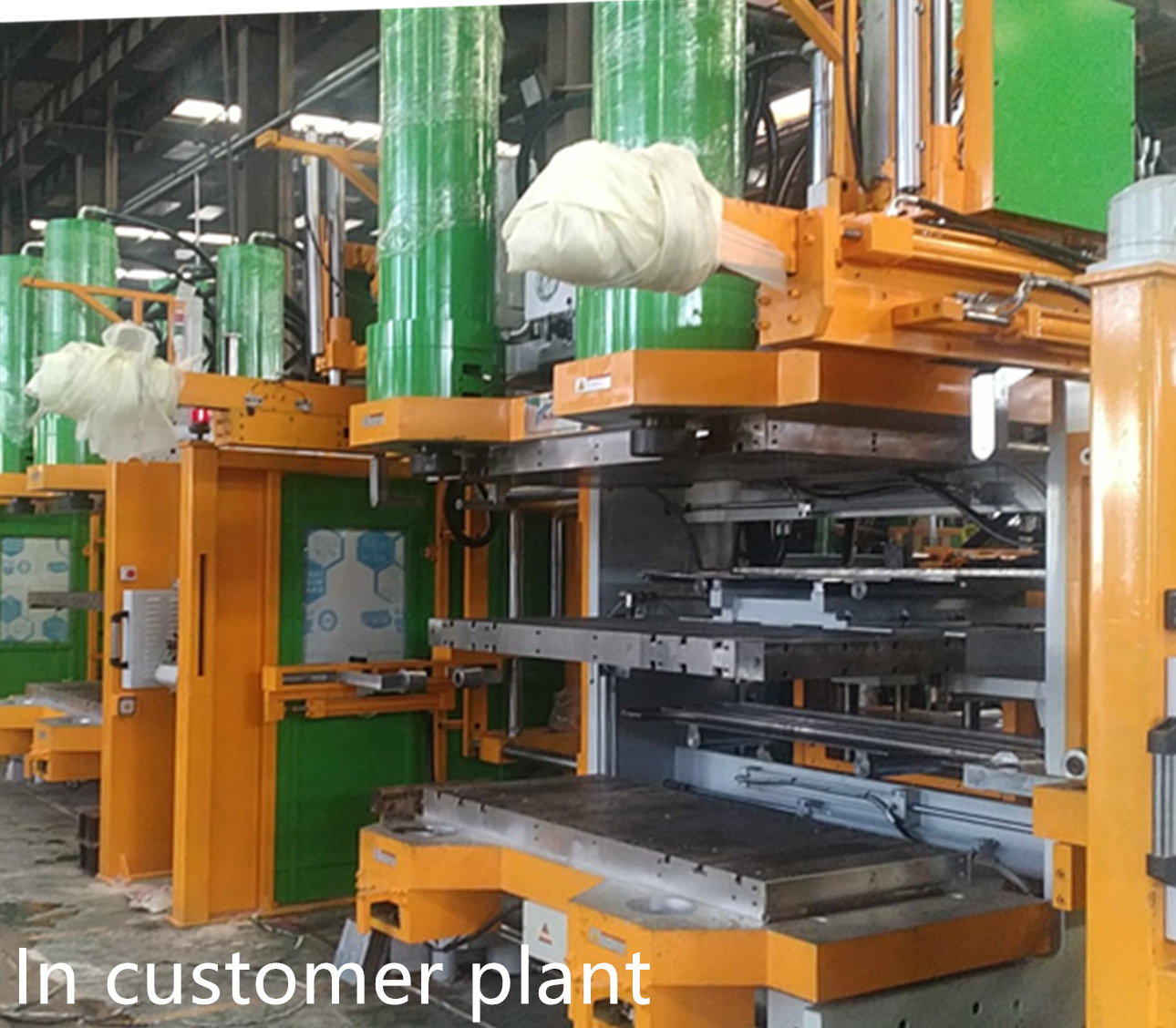
Field experience and simple metrics are the backbone of reliable splicing; the right machine and disciplined logging make HWAYI the natural partner when you want consistent, audited results. HWAYI — practical, proven tools for durable belts. —