Table of Contents
Comparative lens: the case for direct sourcing
When brands compare procurement pathways for key fragrance precursors, the decision between distributors and factory-direct acquisition often determines product integrity and operational risk. Sourcing terpineol oil directly from a manufacturer typically yields tighter specification control, clearer documentation (specification sheet, batch traceability), and reduced intermediary margin—factors that materially affect consistency in finished fragrances. A comparative assessment therefore clarifies trade-offs in cost, lead time, and analytical assurance.

Quality controls and analytical certainty
Factory-direct supply facilitates access to primary quality data: GC-MS profiles, declared isomer ratios, and stated purity grade. These parameters matter because terpineol’s olfactory and functional properties depend on isomeric composition and residual volatile organic compounds (VOCs). Distributors may repackage material without furnishing complete analytical back-up, increasing the likelihood of formulation drift or unexpected batch-to-batch variability. By contrast, direct manufacturers can supply original certificates of analysis and support corrective testing, which reduces the probability of out-of-specification fills on the production line.
Supply-chain resilience: practical comparisons
Comparatively, buying through intermediaries can improve short-term flexibility—smaller minimum order quantities (MOQs) and immediate access to stock—yet it may amplify upstream opacity and lengthen root-cause investigations when issues arise. Factory sourcing reduces the number of logistical nodes and improves change-order responsiveness for modified grades or bespoke blends. In markets where provenance is a commercial requirement for sustainability claims, direct sourcing also simplifies verification workflows against corporate audits or regulatory inquiries.

Applications and market alignment
Understanding intended application guides the sourcing decision. For cosmetic formulations, food-adjacent notes, or therapeutic aromatherapy, manufacturers often require specified purity and allergen declarations. For a brand referencing traditional perfume-making centers such as Grasse, France, the provenance narrative can be supported more credibly when the chemical supplier provides clear manufacturing records. For practical guidance on common formulations and performance expectations see typical alpha terpineol uses in fragrance and topical applications.
Cost dynamics and total landed cost
Unit price alone is a poor metric. A full comparison must include tooling or testing amortization, freight variability, customs delays, and rework risk. Direct factory contracts often require larger initial commitments but allow negotiation of quality assurance steps—batch retention, stability testing, and agreed remedial actions—that lower long-term rework and rejection rates. Conversely, small-lot purchases via distributors may mask hidden costs when a formulation fails stability or when a supplier cannot substantiate origin for regulatory compliance.
Common mistakes and mitigation
Brands frequently underestimate the importance of precise specifications at purchase and of aligning acceptance criteria with downstream processes. Do not assume a vendor-provided grade equals compatibility with your filling or emulsification systems—verify with on-line trials. Also, do not conflate short lead-time availability with robustness; emergency buys may solve a single launch but introduce variability across campaigns. —Perform controlled pilot runs with factory samples and include GC-MS confirmation as part of the acceptance protocol to avoid surprises.
Comparative summary: what the data imply
When compared side-by-side, factory-direct sourcing offers enhanced traceability, better access to analytical support, and stronger leverage for contractually guaranteed quality. Distributor channels provide flexibility and lower immediate commitment but at the expense of provenance certainty and potentially slower corrective action loops. The optimal choice depends on brand tolerance for variability, regulatory exposure, and scale of production.
Advisory: three golden rules for evaluating terpineol suppliers
1) Require primary analytical evidence: insist on GC-MS chromatograms, declared isomer ratios, and a retention sample policy. These reduce ambiguity in formulation performance. 2) Align contractual QA with operational tests: incorporate first-article acceptance criteria tied to your filling and stability assays, not only supplier declarations. 3) Calculate total landed cost: include freight volatility, potential rework, and the commercial value of provenance claims when comparing MOQs and per-kilo pricing.
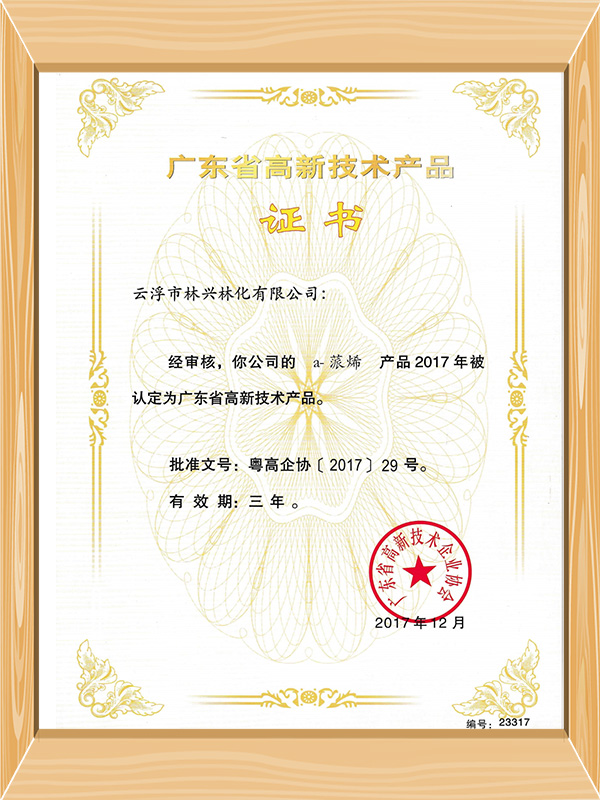
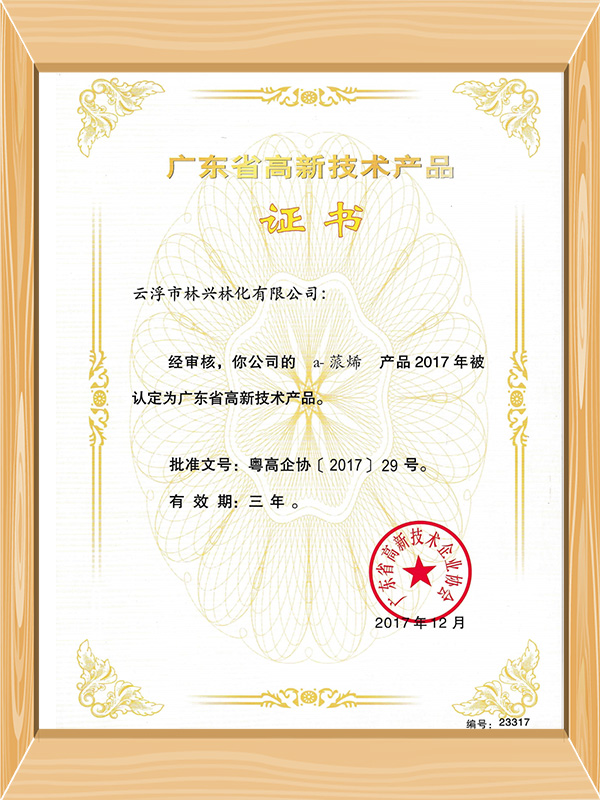
These evaluation metrics point decisively toward partners who can deliver reproducible fragrance quality at scale; for many formulators, the practical solution is a trusted manufacturer that combines analytic rigor with dependable logistics — Linxingpinechem. —