Table of Contents
Introduction
I once stood beside a shop floor where a worn mill had produced parts for decades — the operator laughed and said, “She still sings.” That scene stuck with me because it shows how closely people and machines get tied together. CNC equipment manufacturers are watching data streams and downtime in equal measure as they plan upgrades and new lines (eish, it’s a proper balancing act). Right now, reports show rising demand for precision parts and a push toward smarter controls — so what do we actually do next? I’ll walk you through the signals, the risks, and the choices. Next we’ll unpack the deeper problems hiding beneath the shiny new controllers.
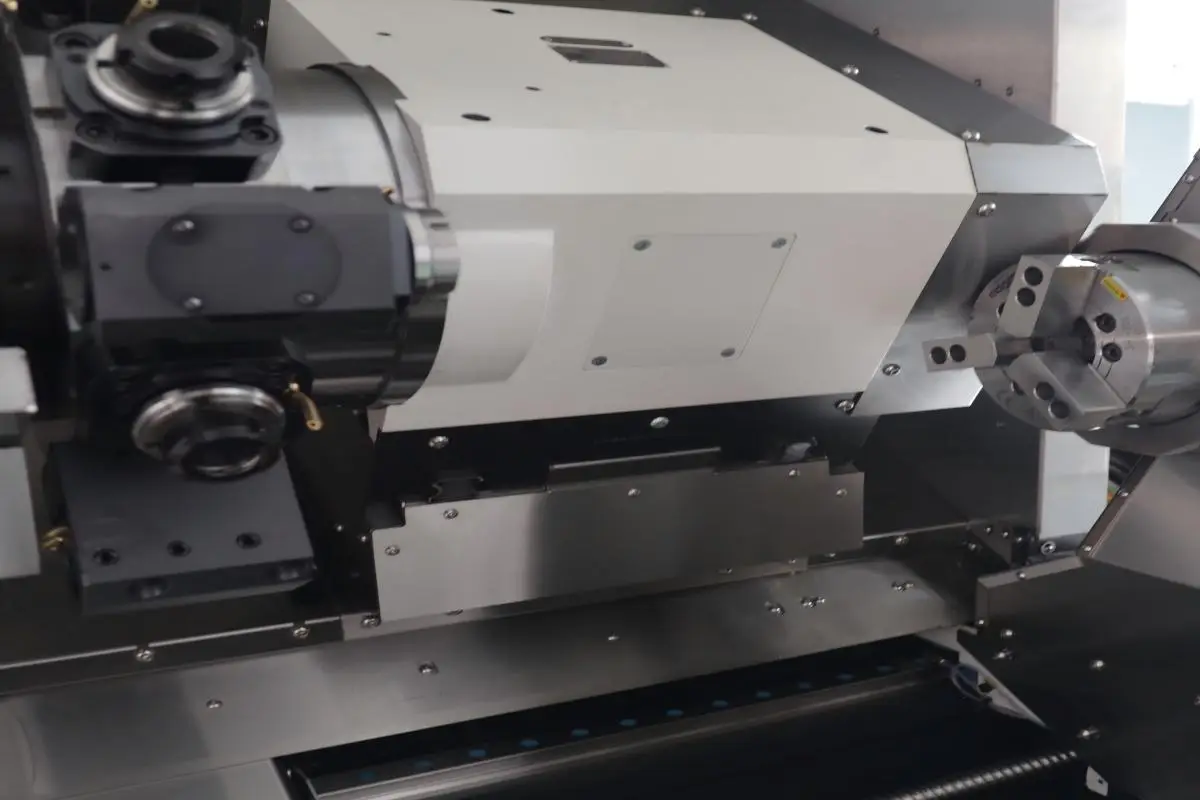
Why Classic Fixes Aren’t Cutting It with 5-axis CNC milling machines
Let me be frank: treating a 5-axis machine like a larger 3-axis still won’t solve accuracy and throughput limits. First, a quick breakdown — 5-axis CNC milling machines coordinate three linear and two rotary axes to reach complex geometries. They need precise kinematics, tight spindle control, and advanced motion planning. Traditional fixes—tweaking feed rates, adding guards, or cranking spindle speed—often ignore core issues like thermal drift, controller lag, and tool-path optimization. Those are the real bottlenecks.
What technical limits bite most often?
There are a few recurring trouble spots I see all the time: poor backlash compensation, old servo drives that can’t keep up, and controllers that choke on complex G-code. Add in weak tool-changing routines and you get more set-up time and scrap. We must also watch power converters and spindle speed control under load — they matter more than people think. Look, it’s simpler than you think: if the motion planner and servo loop aren’t synced, extra axes just add error, not precision. I’ve seen shops spend money on fixtures when the real fix was a firmware update and a better motion algorithm — funny how that works, right?

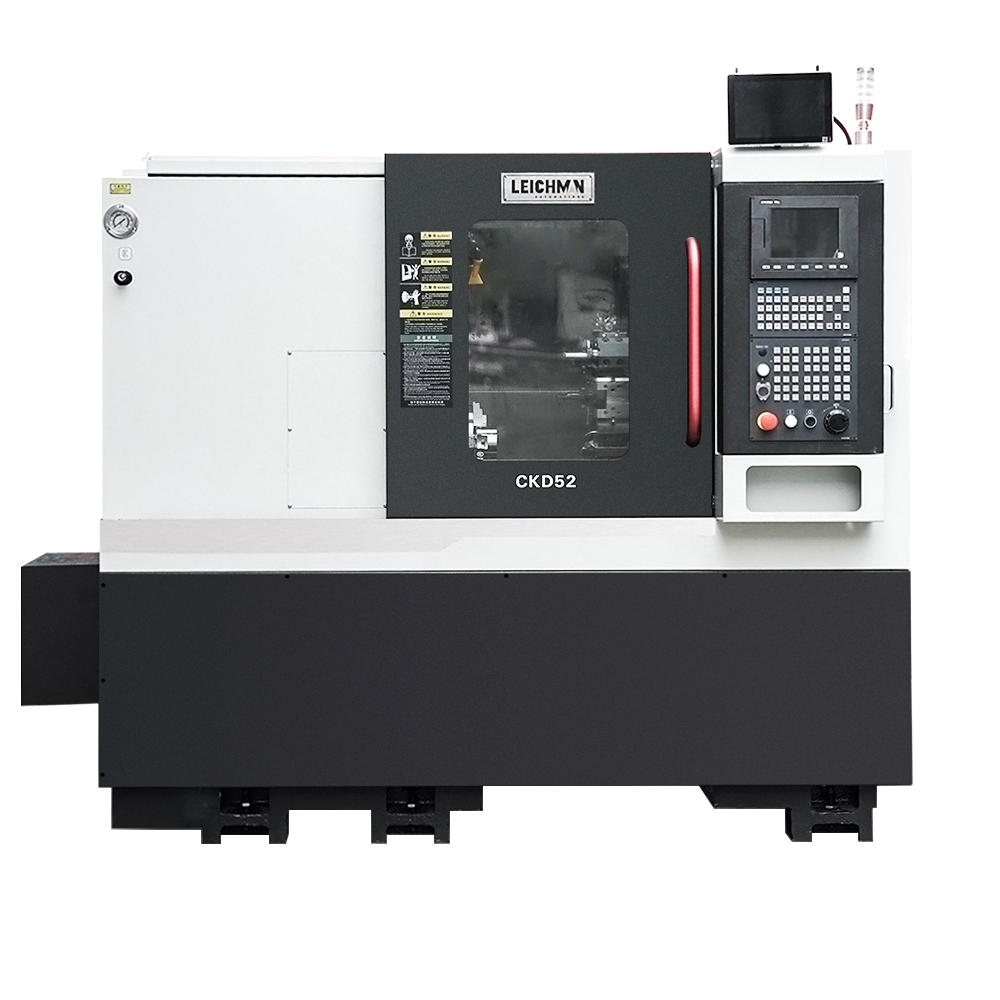
New Principles and a Forward Look (What’s Next)
Moving forward, I believe manufacturers should adopt a few clear tech principles. First, edge processing at the machine: local compute (edge computing nodes) can run motion planning and diagnostics without cloud lag. Second, modular electronics — standardized servo drives and hot-swappable power converters — reduce downtime. Third, smarter toolpaths: adaptive feed and spindle control that reacts to cutting load. These ideas cut across hardware and software and help 5-axis systems reach their potential.
Real-world impact — why this matters
Take suppliers who source a cnc milling machine china model for their prototype runs. If the machine has local diagnostics and modern servo drives, setup time drops. Not just by minutes — by hours across a production week. That means less scrap, more on-time delivery, and happier customers. I’ve recommended these shifts to smaller shops and seen ROI within months — you know? Also, the shift to edge compute often pairs well with simpler operator interfaces so staff learn quicker and make fewer mistakes — which is a big win on busy floors.
How I’d Judge New Solutions: Three Practical Metrics
If you’re choosing equipment or upgrades, here are three metrics I use every time. 1) Closed-loop accuracy under load: test with real cutters and materials; numbers in a spec sheet mean little otherwise. 2) Mean time to restore (MTTR): how fast can you swap a servo drive or replace a controller module? Lower is better. 3) Data usefulness: can the machine give actionable signals (thermal drift, spindle torque trends) rather than raw noise? Those three tell me if a solution will actually save money and time.
I’ve written from the shop floor perspective because I care about practical results, not buzzwords. I’ll keep testing ideas, talking to operators, and learning from mistakes — and I invite you to question specs and demand proofs. For makers curious about robust, field-ready systems, check out Leichman — they’ve got a sensible approach to hardware and control that I respect.