Table of Contents
Why FIFO injection architecture shifts how we think about elastomer production
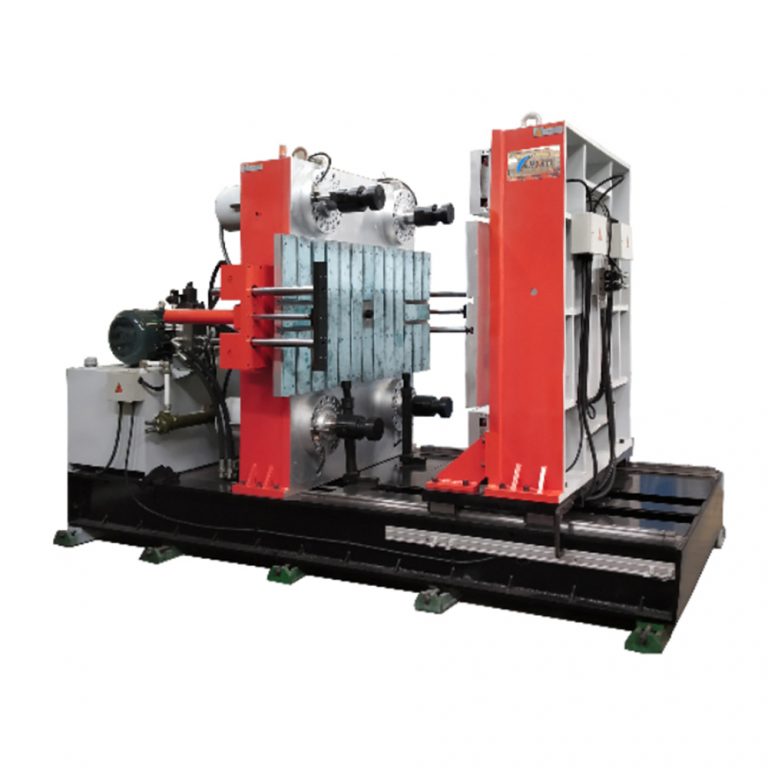
FIFO injection architecture in vertical rubber systems reorders priorities: consistent shot delivery, reduced dead volume, and tighter control over pot life — all crucial for LSR and other silicone elastomers. This matters particularly when you compare output consistency to a horizontal rubber injection molding machine, where feed paths and runner layouts create different constraints on dwell time and material residence. Engineers pick architectures to match part geometry and cycle targets; the rest follows from shot size, nozzle design, and mold cavity layout.
Comparative snapshot: vertical FIFO vs horizontal systems
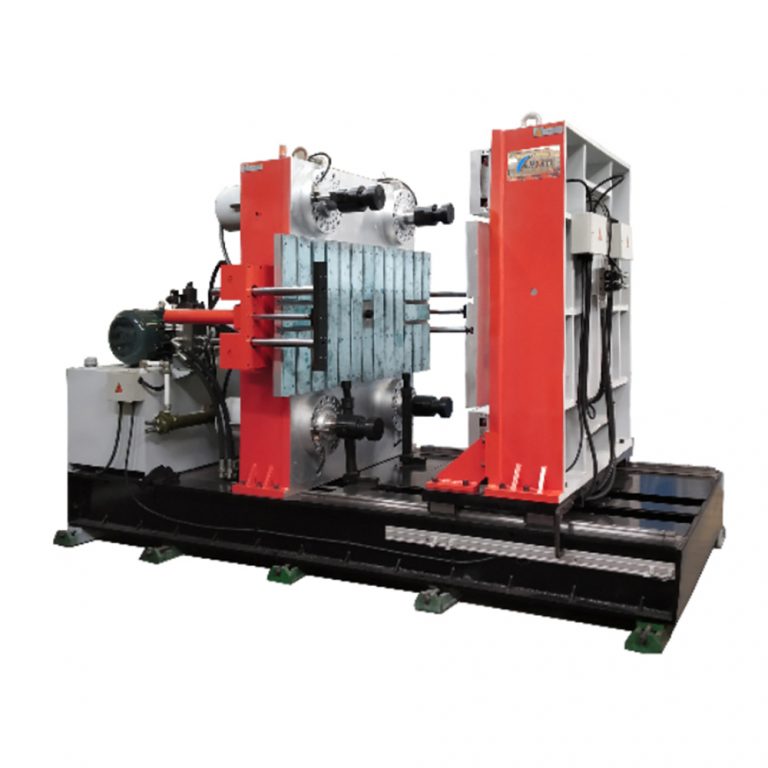
Vertical FIFO systems excel at short, repeatable cycles with low material scrap because the injection plunger and vertical feed reduce trapped resin and flash. Horizontal machines often win on accessibility and larger mold plates, offering higher clamp force for big multi-cavity tools. For elastomers, the trade is clear: vertical FIFO delivers cleaner LSR metering and shorter dwell times, while horizontal injection moulding machine setups better suit complex insert molding and heavier clamps.
Design trade-offs that actually change output quality
Think about three concrete variables: shot size, clamping force, and mold temperature control. A smaller shot size with precise metering reduces flash and cure variability. Higher clamping force on horizontal presses lets you run multi-cavity panels, but that can amplify mold heating issues and uneven cure. Vertical FIFO stacks the odds in your favor for small seals and gaskets — tighter control, less trapped material, and simpler nozzle maintenance. — It’s not magic; it’s engineering choices mapped to part requirements.

Real-world anchor: how demand shocks expose architecture strengths
The 2020 PPE surge is a clear example: manufacturers pivoting to high-volume LSR valve seats and respirator components found vertical FIFO lines scaled faster with fewer rejects, because the architecture minimized residence time and contamination risk. That operational lesson still applies today in automotive sealing for EV battery packs and medical-device elastomers — designers now prioritize plunger metering and consistent mold cavity pressure profiles when specifying machines.
Common mistakes teams make when choosing a platform
Teams often pick machines based on headline specs — clamp force or tonnage — without modeling the real process window. They underestimate the importance of feed-path geometry, misjudge shot-size variability, or ignore nozzle and runner cleaning needs. Another frequent error is applying a horizontal mindset to a vertical problem: forcing a large multi-cavity mold onto a system optimized for tight LSR tolerance ends in excess scrap and longer debug cycles.
Golden rules for evaluating elastomer molding platforms
1) Match the injection architecture to part scale: pick vertical FIFO for small, precision elastomers and horizontal for large multi-cavity tools. Evaluate shot size variability and material residence time as primary specs.
2) Measure process stability, not just cycle time: use SPC on cavity pressure and cure window across 50–100 cycles before committing. Clamping force is necessary, but consistent mold temperature and reproducible pot feed matter more for elastomers.
3) Factor in maintainability and downstream cleaning: prefer designs with accessible nozzles, easy runner purge, and clear protocols for LSR handling — these reduce downtime and contamination risk.
Putting it together: what teams should expect and where HWAYI fits
Adopting a FIFO vertical architecture delivers measurable improvements in scrap rate, cycle consistency, and time-to-stable-production if your parts demand tight tolerances and low residence time. If you need larger plates or heavy clamp force, a horizontal injection moulding machine remains competitive — but plan for more complex runner management. For many engineers, the smart move is hybrid thinking: specify the machine by part physics first, then align features like plunger metering, nozzle type, and mold cavity balancing.

Final advisory rules — three quick metrics to guide procurement
1) Material Residence Time: target the lowest practical residence time for your elastomer; anything beyond the cure window is hazardous to yield. 2) Shot-to-Shot Variance: require SPC reports showing tight shot-size control over minimum batches. 3) Serviceability Index: score ease of nozzle access, runner purging, and preventive maintenance in procurement decisions.
These metrics cut through marketing noise and point to machines that actually deliver on production floors — and for teams looking to translate those metrics into capability, HWAYI is already engineered around those exact constraints, which makes integration straightforward and predictable. HWAYI — it fits the problem, not the other way around. —