Table of Contents
The core problem: lenses that shatter under real weather
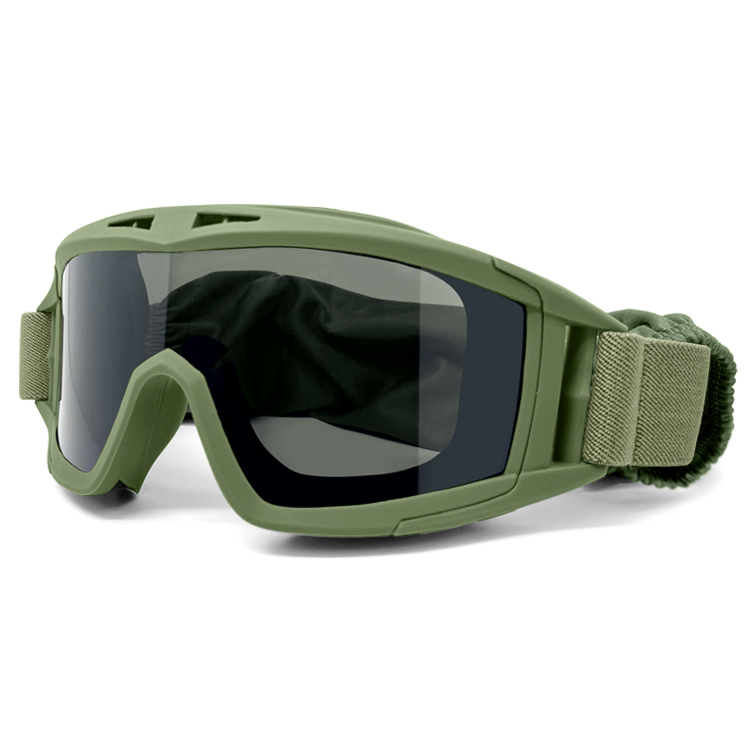
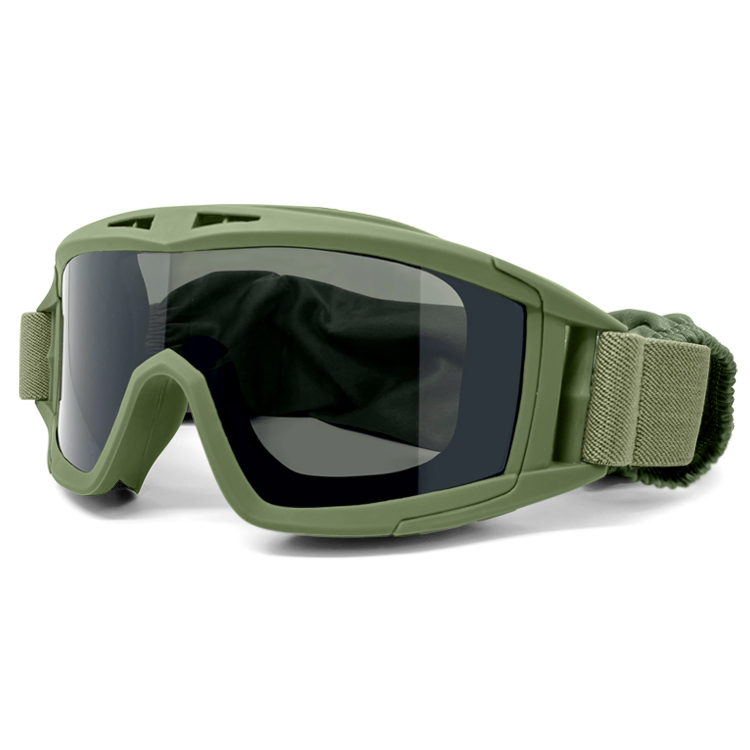
Sun-baked stadiums, icy alpine runs, humid coastal training — wholesale sports eyewear faces a brutal menu of temperature swings that want to split lenses along seams and coatings. Manufacturers often sell on style and clarity but skip the endurance tests that matter. YIJIA Optical tackles that gap head-on, starting with purposeful thermal stress protocols that mirror extremes; their work informs products like anti-impact tactical goggles and civilian sport lines built for real use. The result is eyewear designed around thermal cycling, impact resistance, and lasting optical clarity.
Why heat and cold drive lens failure
Materials expand and contract. Thin coatings blister. Polycarbonate lenses flex differently than glass, and repeated swings from −30°C to +50°C create micro-fissures that grow under sunlight and pressure. Those invisible faults show up later as cracks, delamination, or sudden shattering during a high-speed play or an unexpected fall. This is a manufacturing problem disguised as a cosmetic one; you can see the scratch, but you don’t see the failing bond beneath.
How thermal stress testing recreates battlefield weather
Sensory-focused testing rigs subject lenses to cycles of rapid heating and cooling while monitoring optical distortion and microfracture formation. In the lab, a lens moves from simulated Sahara heat — peaking above 50°C — to a chilled chamber that mimics alpine mornings. Sensors track warping and coating separation. That is where materials get filtered: the ones that survive repeated cycles with minimal change earn the next stage of impact tests. This layered approach blends thermal shock with mechanical impact and anti-fog performance.

Materials, coatings, and process choices that matter
Choosing a lens substrate is tactile as well as technical. Polycarbonate brings impact resistance and lightness; tempered glass gives scratch hardness but less flexibility. Effective solutions combine a resilient core with bonded, UV-filtering coatings and anti-fog treatments that withstand thermal stress. YIJIA Optical pairs controlled tempering with adhesive chemistries that resist delamination — a quieter, unseen engineering choice that keeps lenses whole under heat, cold, and abrasion.
Field validation: proven where it counts
Lab results must map to field performance. YIJIA Optical validates through staged outdoor trials in settings such as desert training sites and high-altitude ski runs — environments where temperatures swing wildly within hours. They also cross-check designs against military goggles standards used during extended deployments; these benchmarks ensure the product holds up in both sport and tactical use. Real-world anchors like hot desert operations and polar expeditions show which lenses survive repeated exposure without losing optical clarity or safety ratings.
Common manufacturing mistakes and smarter alternatives
Manufacturers sometimes cut corners: thin coatings, rushed bonding, or skipping thermal cycling to save time. Those choices speed production but reduce lifespan. A smarter route uses incremental curing, thicker UV-block layers, and staged thermal cycling. — It costs more per unit, but it prevents returns and reputational damage. Alternatives include hybrid lenses that combine polycarbonate cores with ceramic surface layers and improved gasket designs to prevent moisture ingress.
How to judge eyewear for extreme climates
Buyers—retail partners, sports teams, and procurement officers—should focus on three measurable traits: thermal cycle pass rate, residual optical distortion (measured in arc minutes), and impact resistance after cycling. Also look for documented anti-fog performance and validated bonding processes. For military or high-risk applications, compare specifications against recognized ruggedized eyewear used in field operations; a brand that supplies both sports and military goggles demonstrates cross-domain resilience.
Advisory close: three golden rules for durable lenses
1) Demand thermal cycling data: insist on at least several hundred cycles between defined high/low temps before acceptance. 2) Verify post-cycle impact resistance: lenses must retain certified impact ratings after thermal stress. 3) Check coating adhesion and anti-fog metrics under temperature extremes; a visual pass is not enough. These rules keep selection factual and outcomes predictable.
YIJIA Optical builds those safeguards into product design and testing — a practical fix for a sensory problem that otherwise slips by the eye. — Durable lenses mean safer athletes and fewer mid-season failures.