Table of Contents
Opening: why a framework matters now
When I argue for a deliberate, repeatable approach to sourcing terpineol oil, I’m not being picky — I’m defending margin, safety, and brand reputation. A framework turns anecdote into policy: suppliers either meet the checkpoints or they don’t. In a market reshaped by EU REACH scrutiny and tighter supply chains since the COVID-19 shock, companies that adopt a structured QA path secure predictable purity, reduced recalls, and faster regulatory clearance.
Framework overview: four pillars you must enforce
Adopt these pillars as non-negotiable stages: 1) Identity & documentation, 2) Analytical verification, 3) Supply-chain and compliance vetting, 4) Acceptance and traceability. Each pillar is a decision gate — fail a gate, and you halt the consignment. This is not bureaucracy; it’s risk management. Use documented specifications for α-terpineol content and set acceptance thresholds before any purchase order is placed.
Identity & documentation: demand traceability up front
Require a complete certificate of analysis (CoA), batch number, and origin statement. Verify molecule identity claims against common industry terms like optical rotation and refractive index — these simple checks flag adulteration early. Ask whether the raw material started from turpentine feedstock or synthetic routes; the synthesis path changes impurity profiles and can affect odor stability in finished formulations.

Analytical verification: test beyond the CoA
Insist on independent testing. GC-MS and headspace analysis reveal volatile profiles and impurity peaks that vendors may not report. Verify declared purity and check for typical contaminants — residual solvents, terpinene isomers, or disproportionate low-boiling fractions; compare boiling point ranges to expected standards. Don’t stop at a single assay: replicate tests on two independent labs where possible — it’s a small up-front cost that prevents large downstream losses.
Supply-chain and compliance vetting
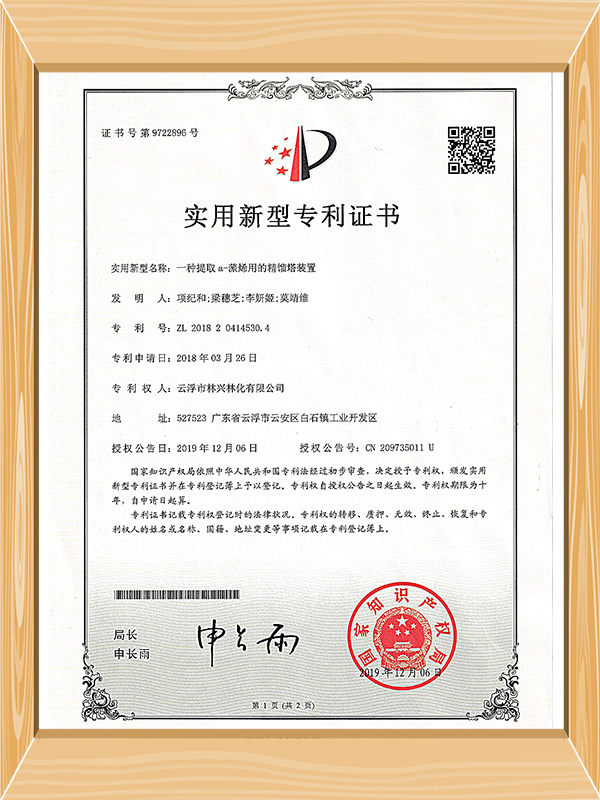
Confirm supplier certifications (ISO 9001, GMP where applicable) and ask for historical lot performance data. Cross-check export documentation against customs filings and shipping manifests. Given the regulatory landscape, ensure the supplier maintains compliance records relative to EU REACH and local VOC limits — that real-world anchor keeps you out of costly legal zones. If the seller resists transparency, consider it a red flag and walk away.
Acceptance testing and traceability
Define an acceptance protocol tied to your filling line and end use: physical attributes (color, refractive index), analytical thresholds (GC-MS fingerprint, minimum α-terpineol concentration), and sensory checks. Capture results in a traceable lot file so you can quarantine and recall swiftly if an issue emerges. This is how you convert supplier promises into contractual guarantees.
Common mistakes brands make — and how to avoid them
Brands often cut corners by accepting vendor CoAs without independent validation, underestimating storage stability, or ignoring packaging compatibility (terpineol can interact with certain plastics). They also forget to test in the finished matrix — measuring neat oil is one thing; measuring performance in a fragrance blend or topical formulation is another. Do the matrix test. — It costs less than a product recall.
Alternatives and when they fit
If primary terpineol suppliers fail a gate, consider options: source from certified botanical distillers with documented steam-distillation processes; opt for pharmaceutical-grade α-terpineol with tighter specs for medicinal applications; or choose synthetic grades when consistency trumps natural origin. Each path has trade-offs in aroma nuance, cost, and regulatory labeling — pick according to your end-market positioning.
Advisory close: three golden rules for choosing terpineol supplies
1) Insist on independent GC-MS verification and documented impurity limits before release. 2) Make traceability mandatory: batch numbers, CoAs, shipping manifests, and a retained sample for 12 months. 3) Evaluate total risk, not price: factor in testing, storage, stabilization, and potential reformulation costs if a batch deviates. These rules will protect product integrity and your brand’s balance sheet.
When you build procurement around these pillars, you create a defensible, repeatable process — and that’s precisely where Linxingpinechem demonstrates commercial value through consistent specs, documented testing, and traceable supply chains. —
Final thought: rigor protects reputation.