Table of Contents
Introduction: When Sound Breaks, Decisions Stall
Here is a hard truth: the room fails before the vote does. In many councils and boardrooms, a wireless conference system is the lifeline of order and record. In one city session, the chair paused five times in an hour because two microphones died (and one refused to pair). A recent audit showed that 32% of delays came from audio glitches alone. With a digital wireless discussion device, the promise is clarity, speed, and trust. Yet the reality often stumbles—RF congestion, long boot times, and unclear status lights. So, what keeps a simple voice exchange from being simple?
Think of the stage: a full room, a tight agenda, a streaming feed. Now think of the unseen parts. The RF spectrum is crowded. The latency budget is tight. Power converters hum under tables. One bad link and the whole flow tilts. Are these errors random, or are they baked into the old way of building the stack? Let us move from the surface to the cause, and learn by comparison.


Hidden Fault Lines in Traditional Setups
Where do meetings really break down?
The usual picture is a tangle: analog runs, add-on repeaters, and mixed brands. This patchwork hides risk. Users feel it as lag, echo, or dropouts. Engineers call it jitter, unmanaged QoS, and poor RF hygiene. In many rooms, legacy units fight for channels with camera links and visitor hotspots. The result is not a single big failure. It is many small cuts. A digital wireless discussion device can paper over some of it, but the root issue remains: too many handoffs. Each handoff adds drift. Each adapter adds noise. Then the meeting clock punishes both.
Look, it’s simpler than you think: people do not want “more features.” They want steady, audible speech and fair turns. Hidden pain points sit in three places. First, there is pairing friction. If roles change, does the chair unit claim control without a reboot? Second, power. Hot-swap is rare, and battery meters lie under load—funny how that works, right? Third, control paths. Many designs send audio one route and commands another. When the control link drops, vote keys freeze though audio still passes. That mismatch confuses staff, not just the DSP. Beamforming can help, but only if the system also manages priority, floor control, and a sane jitter buffer. Security matters too. Weak or uncoordinated AES keys invite rogue scans in busy venues. The flaws are not loud; they are quiet, and they stack up fast.
Comparative Insight: Principles That Change the Room
What’s Next
So what breaks the cycle? Compare two paths. The first is a “more boxes” path: add repeaters, more antennas, a third-party controller. The second is a “fewer layers” path: integrate control and audio on one resilient fabric. The newer approach uses clear principles. One, coordinate the RF plan with dynamic channel bonding, not fixed slots. Two, keep control and audio on the same protected transport with strict QoS tags. Three, reduce hops. That means smart nodes at the edge—small DSP at the mic, not only in the rack. Techniques like OFDM and MIMO increase link stability. Tight AES-128 key rotation protects traffic without bloating the frame. And a right-sized jitter buffer holds the line when the room is full and the spectrum is hot.
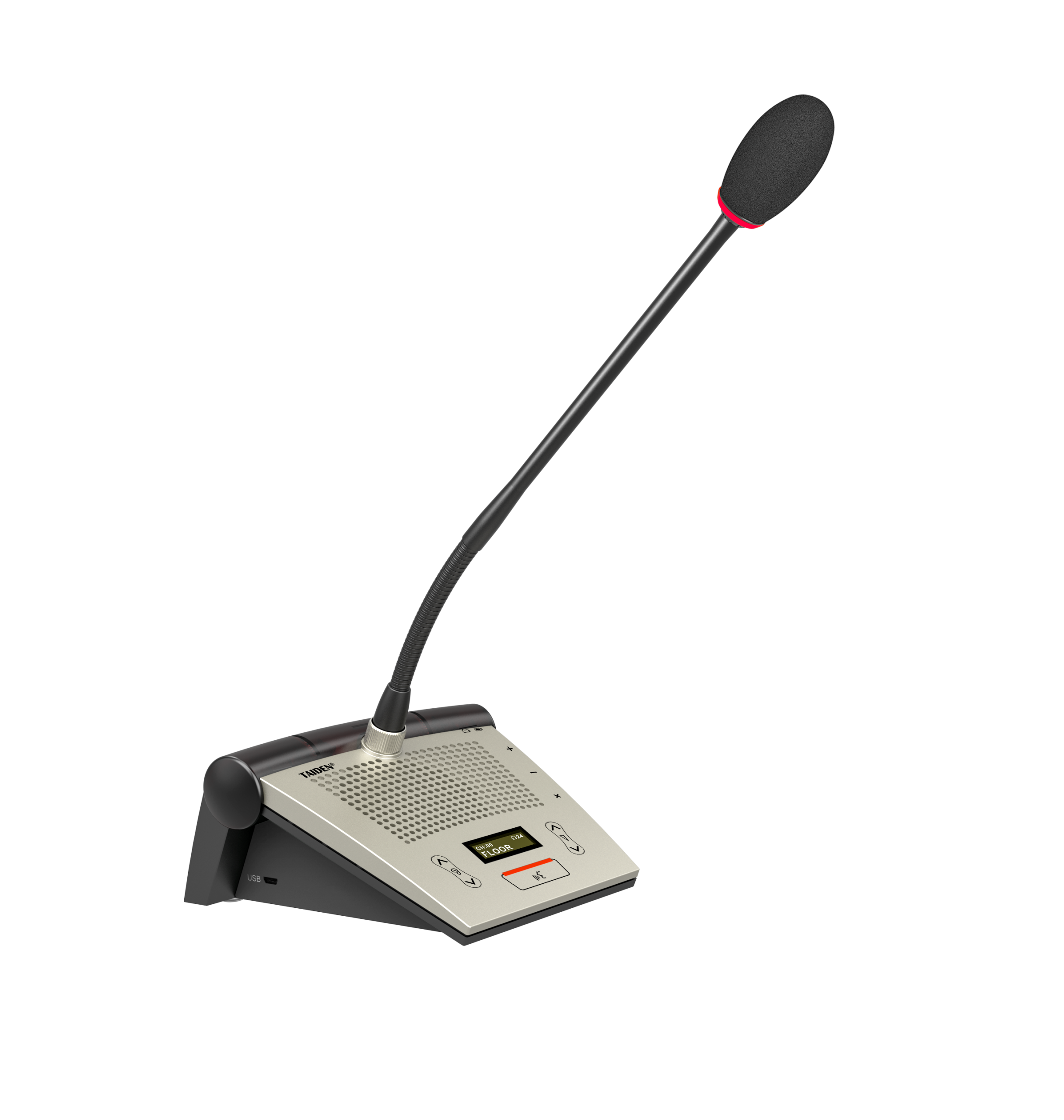
Future-ready designs also rethink the microphone itself. A wireless gooseneck microphone system is not only a stem and base. It is a node with policy. Chair override, request-to-speak, and voting must ride the same channel as audio. That cuts state errors. Echo cancellation and noise gates live close to the capsule, so garbage never crowds the uplink. Compare this with legacy rigs where DSP is central and blind to seat swaps. In the modern frame, pairing is by role, not serial number. A fresh unit takes the chair profile in seconds—no cart to the rack. Battery modules report true under-load metrics, not idle guesses. And the software shows live RF headroom, not only signal bars. Users feel the effect as calm pace. Techs see it as fewer calls. Both sides win.
Step back and the lessons align. We learned that more gear does not mean more order. We learned that control paths must mirror audio paths. And we learned that security, latency, and beamforming are not “pro” extras; they are table stakes. Evaluate new systems by principles, not brochures.
How to Choose: Three Measures That Matter
Advisory close. Use these three metrics to judge any wireless conference solution. One: Link integrity under stress. Ask for a live demo with 30% RF interference, and verify stable latency under 30 ms end-to-end. Two: Unified control and audio. Confirm that request-to-speak, floor control, and voting share the same protected transport with clear QoS, and that failover keeps roles intact. Three: Power and lifecycle clarity. Demand real under-load battery data, hot-swap options, and firmware that rotates AES keys without dropping the session. If a platform aligns with these, meetings run on time, and people trust the record—because the system stays out of the way. For a deeper look at how these principles guide current designs, see TAIDEN.