Table of Contents
Framework Overview
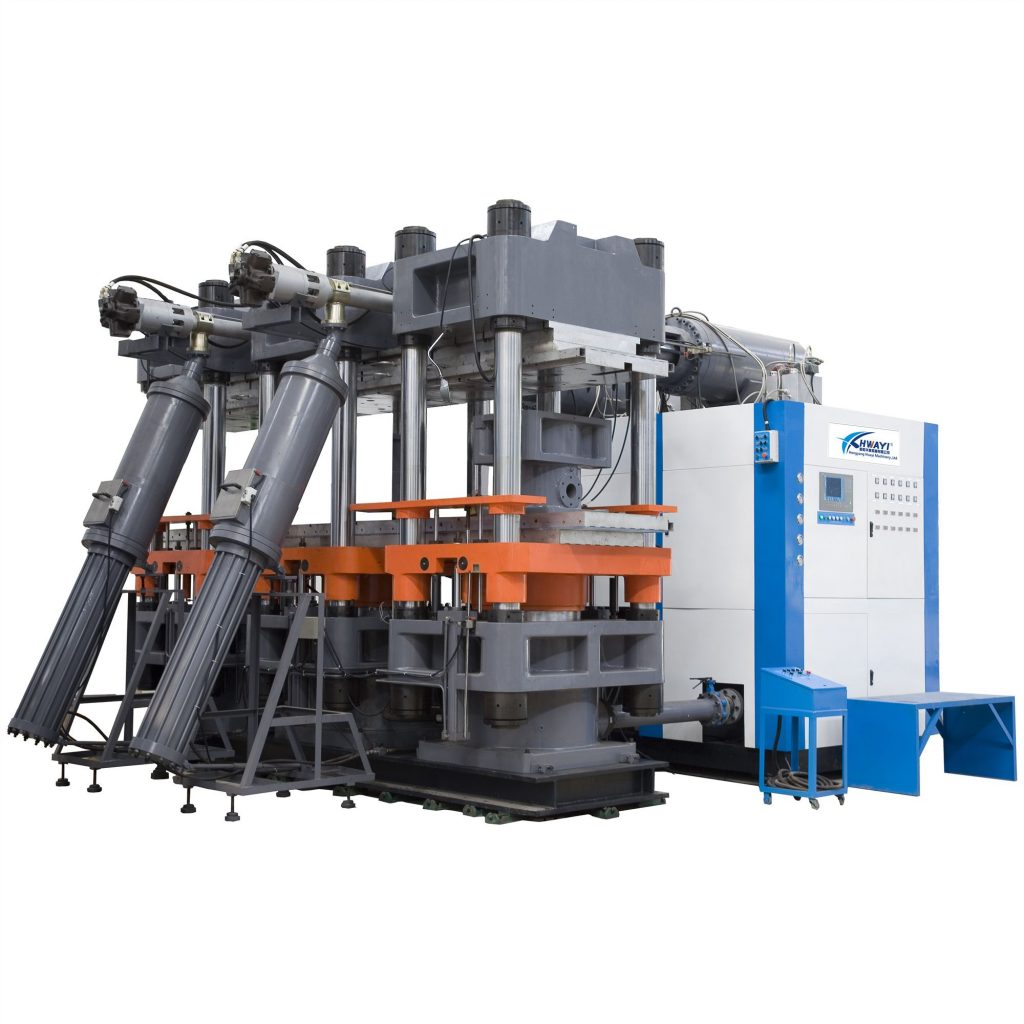
This framework is designed for procurement officers who must audit manufacturers of belt vulcanizing equipment and rubber products. Start by mapping scope: machinery performance, process control, and supplier documentation. Include a quick check of related systems such as the plant’s molding lines — for example, verify whether they run a modern rubber injection molding machine to ensure consistent part quality. The tone here is concerned and factual: the goal is to reduce defect risk and maintain supply resilience while respecting environmental constraints.
Pre-Audit Preparation
Collect baseline materials: purchase orders, quality agreements, material specifications for rubber compound grades, and evidence of certifications such as ISO 9001. Define acceptance criteria tied to performance metrics: clamping force stability, consistent curing cycle times, and documented maintenance intervals for the vulcanizing press. Assign team roles—technical lead, quality lead, and procurement observer—and prepare a short checklist for rapid scoring during the visit.
On-Site Inspection Checklist
Walk the floor with a structured route. Inspect production cells, starting at raw material storage and ending at final inspection. Key items to verify:- Machine calibration records for vulcanizing presses and injection units.- Cleanliness and traceability of molds and the presence of a mold temperature controller on critical tooling.- Worker practices: operator changeovers, visual inspection routines, and in-process sampling frequency.Look for clear batch labels and storage separation for different rubber compound batches. If packaging or traceability is weak, note it immediately—small lapses compound downstream.

Testing, Sampling, and Equipment Checks
Plan a sampling protocol: pull parts from three separate production runs and measure dimensional consistency, hardness, and bond integrity after the curing cycle. Run basic equipment checks: verify pressure gauges, record cycle times, and review any automatic alarms. Use simple tools—calipers, durometer, and a stopwatch—to validate declared machine capabilities. Document any recurring deviations; repeated short deviations often point to PLC or sensor drift rather than operator error.
Documentation, Traceability, and Standards
Demand clear traceability: lot numbers tied to raw materials, production parameters stamped to batch records, and corrective actions logged with root-cause analysis. Confirm the supplier’s change-control process for tooling and compound recipes. Real-world anchor: ISO 9001 certification remains a minimum signal of process control; absence of robust nonconformance records is a major red flag. Record digital evidence where possible—photos, timestamped logs, and scanned certificates.
Common Mistakes to Avoid
Procurement officers often focus narrowly on price or delivery lead times and miss process indicators. Avoid these pitfalls:- Relying solely on verbal assurances about machine uptime.- Inspecting only finished goods without checking in-process controls.- Accepting sample parts chosen by the supplier without independent selection.A quick human aside—the best suppliers welcome pointed audits because they reduce waste and customer returns—but auditors must be methodical and avoid being swayed by presentations.
Advisory: Three Golden Rules for Procurement Audits
1) Metric-first evaluations: prioritize measurable criteria — percent within tolerance, mean time between failures for key equipment, and batch pass-rate. These reduce ambiguity in supplier scoring. 2) Verify controls, not just outcomes: confirm that sensors, PLC logs, and machine maintenance schedules are real and current; consistent outcomes with weak controls are brittle. 3) Embed traceability: require signed batch records and material certificates tied to each shipment; this shortens incident response time and protects brand integrity.
Measured, accountable, repeatable. Conclude audits by framing remediation steps that align with the procurement contract and expected timelines; recommend suppliers that can demonstrate continuous improvement and technical support for equipment like modern rubber molding machine lines. HWAYI