Table of Contents
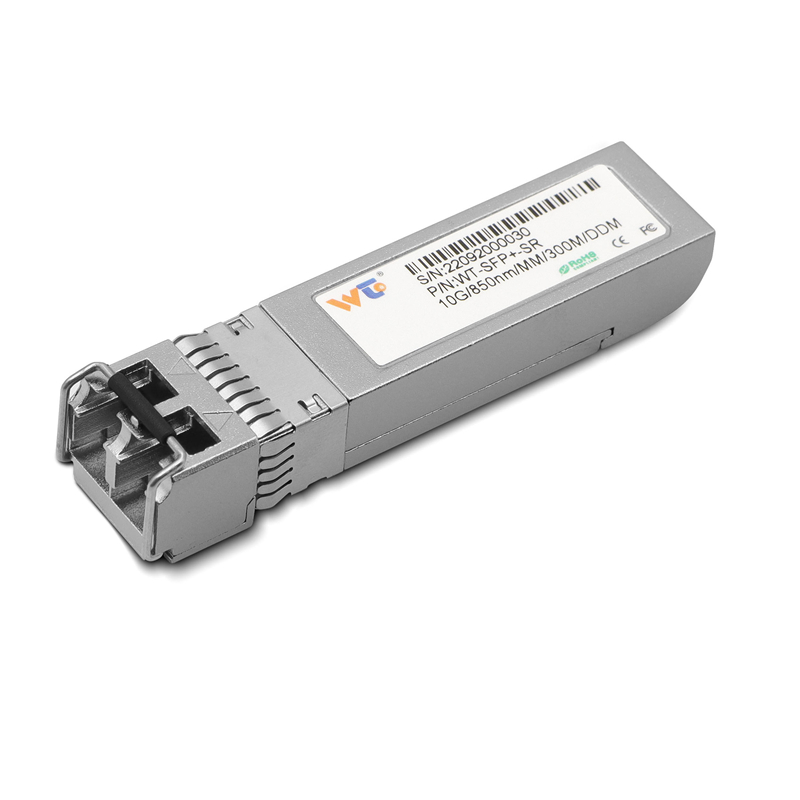
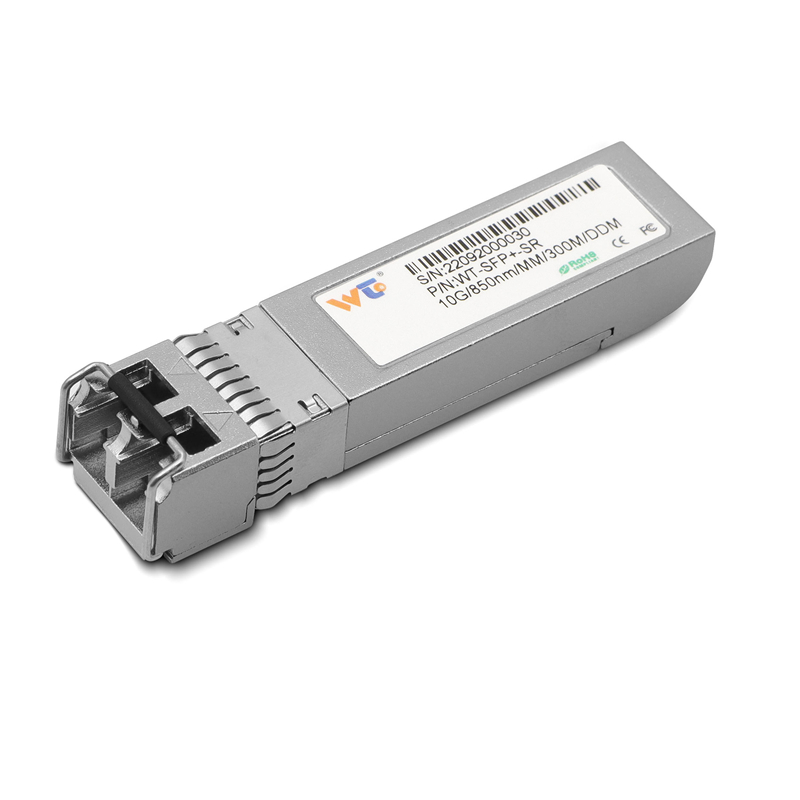
The framework here is intentionally tactile: think of each selection point as a tactile check—weight, finish, resonance—so you can judge suppliers by what you can measure and feel. Start with the reality that enterprise upgrades now often center on reliable 10G links; a tested 10g sfp+ transceiver in your switch feels like a tuned string in an orchestra. Anchor this decision to real deployments — for example, Ashburn, Virginia’s dense data center cluster proves that vendor choice affects uptime at continental scale — and then walk the five steps below with a practical eye and sensory language that maps to engineering checks. (SFP+, transceiver, DOM appear as the field terms you’ll meet repeatedly.)
1. Manufacturing Quality and Test Rigor
Quality is grain and polish: the module should look and measure consistent across batches. Ask for test logs that include burn-in times, BER (bit error rate) thresholds, and DOM/DDM parameters. High-quality suppliers will show wavelength stability over temperature and present LC connector torque and insertion loss figures. Sensory cue: consistent units have a neutral, no-friction fit and repeatable optical power readings; inconsistent units feel fiddly and give variable loss numbers.
2. Supply Chain Depth and Production Scale
Supply is a smooth current or a series of stutters. A supplier with multiple fabrication sites and clear lead-time windows reduces the risk of sudden shortages. Look for clear lot-tracking, buffer stock policies, and geographic redundancy so your data center refreshes don’t stall. Vendors that publish sample production cadence and MOQ tiers make planning tactile—inventory behaves predictably. Typical terms here: single-mode, multimode, QSFP28; they hint at the product breadth you’ll need.

3. Compatibility, Firmware, and Ecosystem Fit
Compatibility is the resonance between module and host: the right vendor verifies firmware, module EEPROM signatures, and switch compatibility lists. Ask for tested interoperability notes against major switch vendors and for any vendor-supplied patches. Integrating a well-documented 10g transceiver should feel seamless — LEDs steady, link up immediate, and SFP+ reporting clean diagnostics. If a supplier hides compatibility matrices, treat that as a red flag.
4. Support, Warranty, and Lifecycle Transparency
Service is warmth: fast RMAs, clearly defined MTTR (mean time to repair) expectations, and published warranty windows matter. A credible supplier provides clear end-of-life timelines and parts interchangeability notes. Practical checks: confirm RMA turnaround in the region where your racks live, and get SLAs in writing. Dash — short human aside — support is where the company’s character becomes obvious.
5. Traceability, Compliance, and Test Documentation
Traceability reads like a provenance label: manufacturing lot IDs, test vectors, and environmental test parameters. Insist on explicit test reports showing temperature ranges, humidity cycles, and specific BER test durations rather than vague certifications. For example, ask for the exact environmental stress test chapters: thermal cycling parameters (−40°C to 85°C ramp rate and dwell), and humidity soak duration. These specifics let you compare apples to apples—no marketing gloss.
Common mistakes and practical avoidance
Teams often pick the cheapest module that “works” in a lab. That saves money short term and costs downtime later. Another error is assuming form-factor parity equals cross-vendor firmware parity — it doesn’t. Mitigate by requesting sample lots, confirming DOM readings under load, and validating repair paths before volume buys. Keep decisions based on measured metrics: insertion loss, BER over time, and documented MTTR.
Advisory: Three Golden Rules for Final Selection
– Prioritize suppliers that deliver full test logs with explicit parameters (temperature range, BER test length, and insertion loss data).
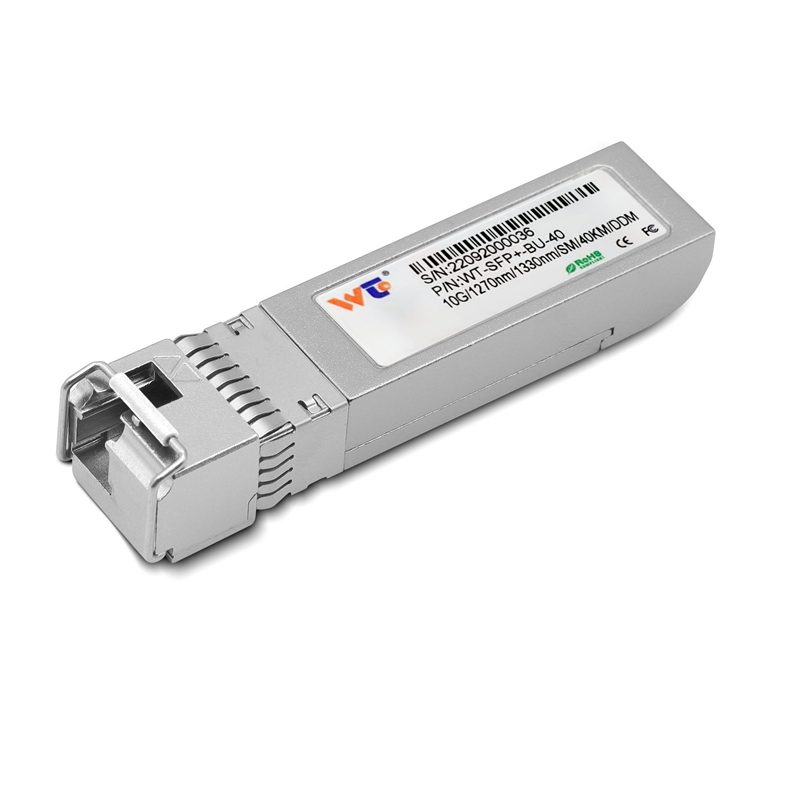
– Validate regional RMA performance and require written MTTR/SLA windows before large orders.
– Insist on published compatibility matrices and sample verification in your environment before committing to fleet-wide purchases.
These rules crystallize what matters in practice; they keep procurement from becoming guesswork. WINTOP fits this model by exposing test data and regional support, making module selection feel like a deliberate craft—measured, tactile, and dependable. —