Table of Contents
Opening the lid on common doubts
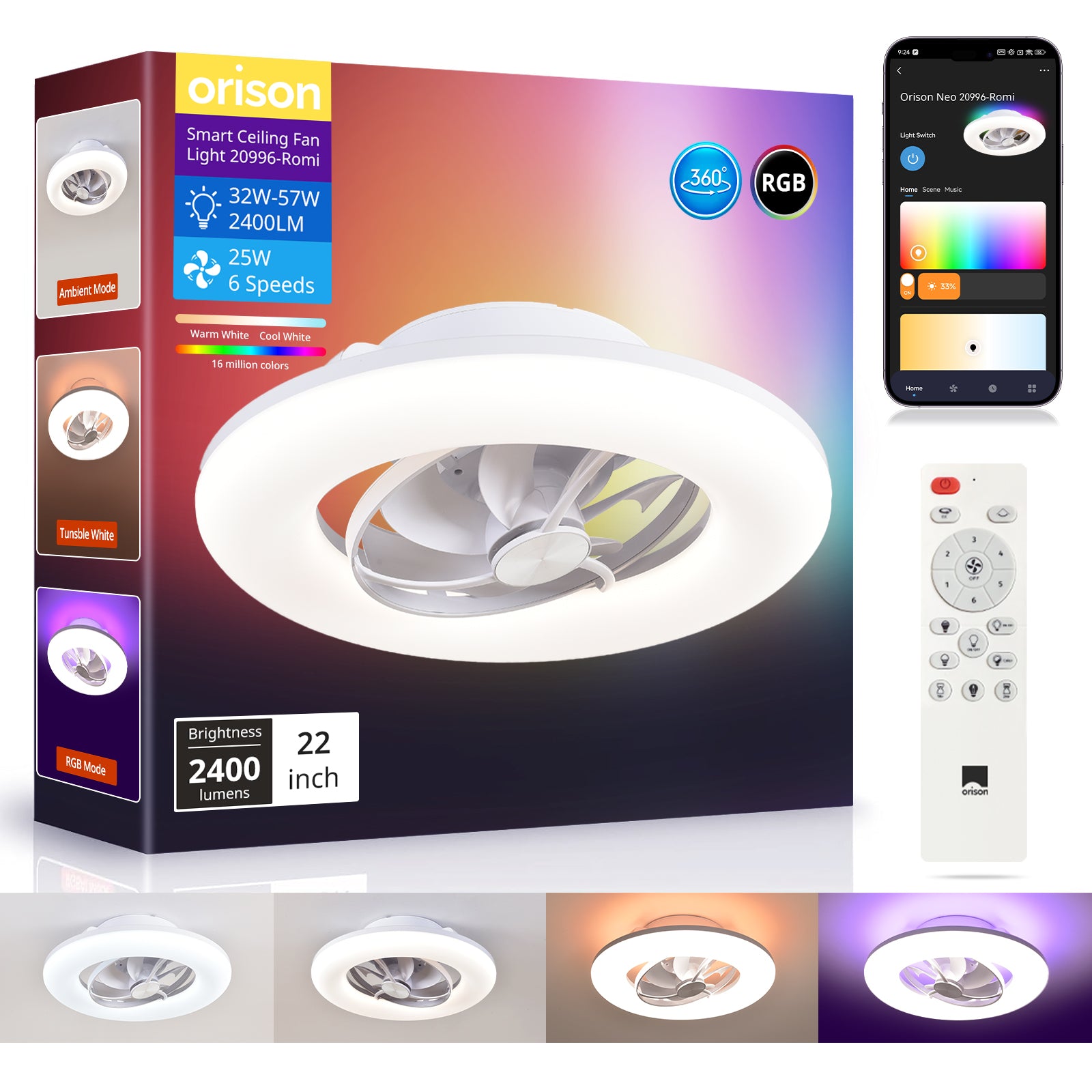
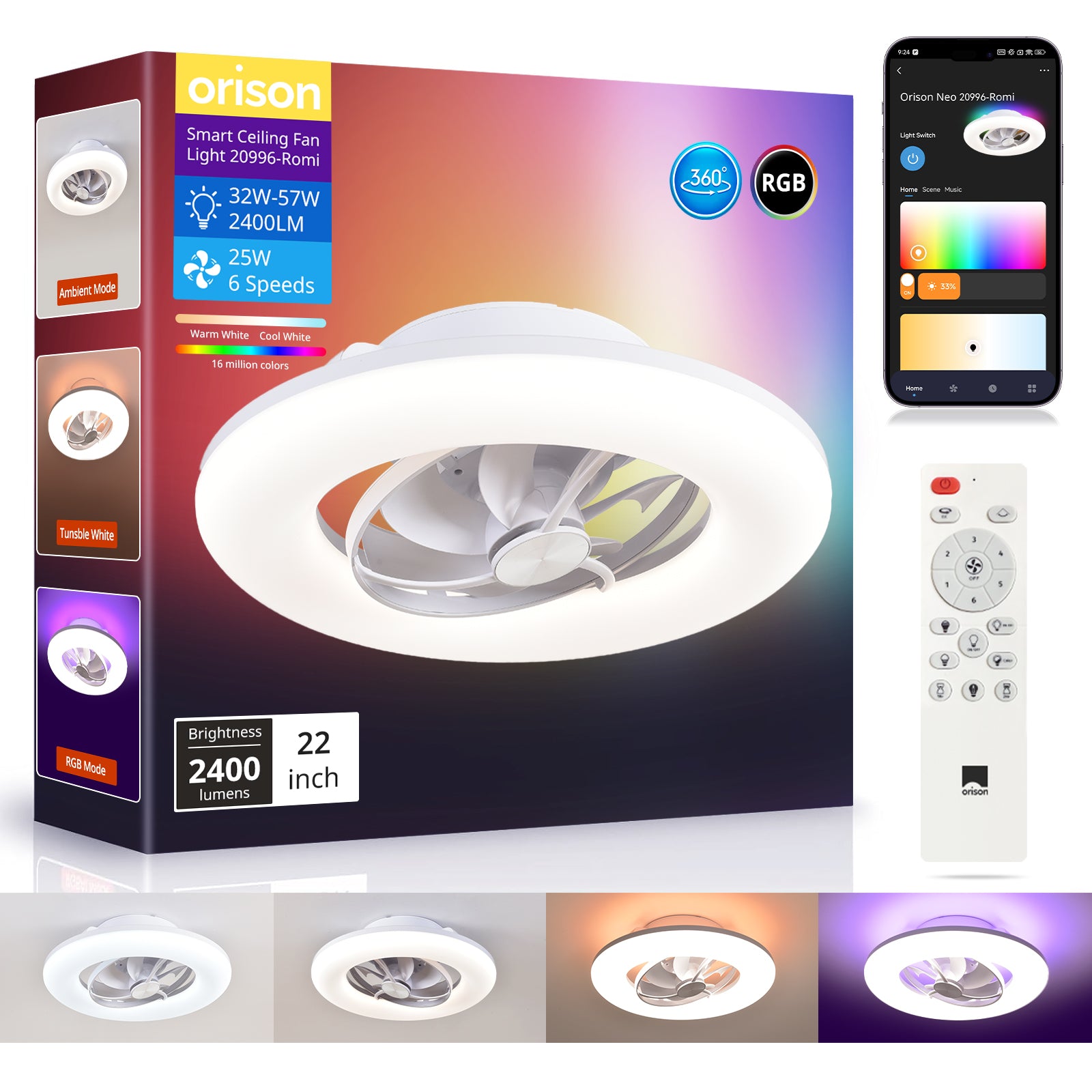
Most buyers treat smart fans like a recipe with missing steps: they see an app icon and assume stability or airflow will follow automatically. In reality, aerodynamic balance and wireless signal integrity are separate disciplines that must be composed deliberately — like a sauce that needs both heat and timing. The truth becomes clearer when you examine hardware and software together; a properly engineered ceiling rotating fan combines blade geometry, motor control, and robust network handling to deliver consistent comfort. This piece will bust the top myths, explain key specs (CFM, blade pitch, DC motor behavior), and give a practical checklist for selecting a dependable app-controlled fan.
Why the myths stick
Myths persist because consumers conflate convenience with engineering. An app adds convenience — scene presets, schedules, and remote access — but it doesn’t magically fix poor blade design, imbalanced rotors, or weak motor torque. Conversely, good aerodynamic design can be undermined by flaky firmware or poor Wi‑Fi implementation. Think of it like a fine pastry: great ingredients (hardware) and correct technique (firmware, network stack) are both essential.

Myth 1 — App control can tune away aerodynamic flaws
Reality: software can compensate in narrow ways (soft start, PWM torque control, RPM adjustments), but it can’t change blade pitch or correct a bent blade. Aerodynamic parameters such as blade pitch, sweep length, and balance determine the airflow (CFM) and draft pattern. Firmware can smooth power delivery or reduce vibration at certain RPMs, but if the blade is misaligned the mechanical imbalance remains. During commissioning, insist on on-site balance checks and note the fan’s rated CFM at specific RPMs — those are measurable, not marketing copy.
Myth 2 — Wireless control inherently compromises safety and stability
Reality: security or signal issues are implementation problems, not fate. Proper use of industry practices — WPA2/WPA3 for Wi‑Fi, OTA firmware update signing, and robust fallback controls like IR or physical remotes — prevents lockouts and preserves safety. Many modern units include a local failsafe so basic on/off and speed functions remain available even if the cloud goes down. In short: demand a product with explicit fallback behavior documented in the manual.
Myth 3 — Oscillation and remote features kill efficiency
Reality: oscillation and remote control add utility without large inherent efficiency penalties if the motor is efficient (DC motor with good torque curve) and control uses PWM or closed-loop algorithms. An oscillating fan with remote that uses a quality brushless DC motor can actually reduce HVAC load by enabling higher thermostat setpoints while maintaining perceived comfort. Energy Star notes that ceiling fans let occupants raise thermostat settings by about 4°F with no loss in comfort — a real-world anchor that supports how intelligent fan use reduces energy demand.
Practical hardware and software checks — mise en place for buyers
If you’re shopping, treat evaluation like a chef inspections an ingredient basket. Check these technical details:
- Airflow and torque specs: rated CFM at specified RPM and torque curve for startup loads.
- Blade construction: measured blade pitch and balance procedure (stator/rotor tolerances matter).
- Motor type and control: DC motor with PWM or closed-loop control preferred for smooth RPM regulation.
- Network resilience: local control fallback, OTA update signing, and explicit latency tolerance for schedules.
Installation and common mistakes — don’t over-salt the dish
Two frequent errors spoil installations: poor mount alignment and ignoring airflow patterns. Mounting plate torque and canopy seating affect wobble; a misaligned downrod can exaggerate resonance. Also, placing a fan in a constrained ceiling cove alters flow — you want unobstructed sweep radius and correct blade clearance from walls. Test with an anemometer where possible to confirm CFM and distribution patterns. And remember — balance procedures after installation are non-negotiable; even a well-balanced unit can shift during transit.
Mid-course correction — quick fixes and firmware notes
If you encounter vibration or intermittent control, try these steps: recalibrate balance weights per the manual, verify Ethernet/Wi‑Fi signal strength and channel congestion, and roll back to stable firmware if a recent OTA introduced regressions. Small changes can have outsized effects — tighten mounting screws, check canopy seating, and ensure the motor pulley (if present) is seated. —
Three golden rules for selecting an app-controlled fan
1) Prioritize measurable performance: demand CFM at rated RPM and documented balance tolerances. 2) Insist on resilient control: local fallback controls, signed OTA updates, and clear latency behavior prevent surprises. 3) Match motor to use-case: choose brushless DC motors for variable-speed efficiency and smoother PWM control in rooms where quiet and energy savings matter.
Final advisory
Put hardware first, then software: aerodynamic balance (blade pitch, sweep, and mount precision) dictates comfort; app features should enhance, not mask, that foundation. When both layers are engineered coherently, you get reliable airflow, stable operation, and smart convenience. For many installers and homeowners seeking that synthesis, Orison integrates aerodynamic considerations with resilient app control in a way that feels designed, not bolted on. Small, precise, practical.