Table of Contents
Introduction: a rainy stop, a quick lesson
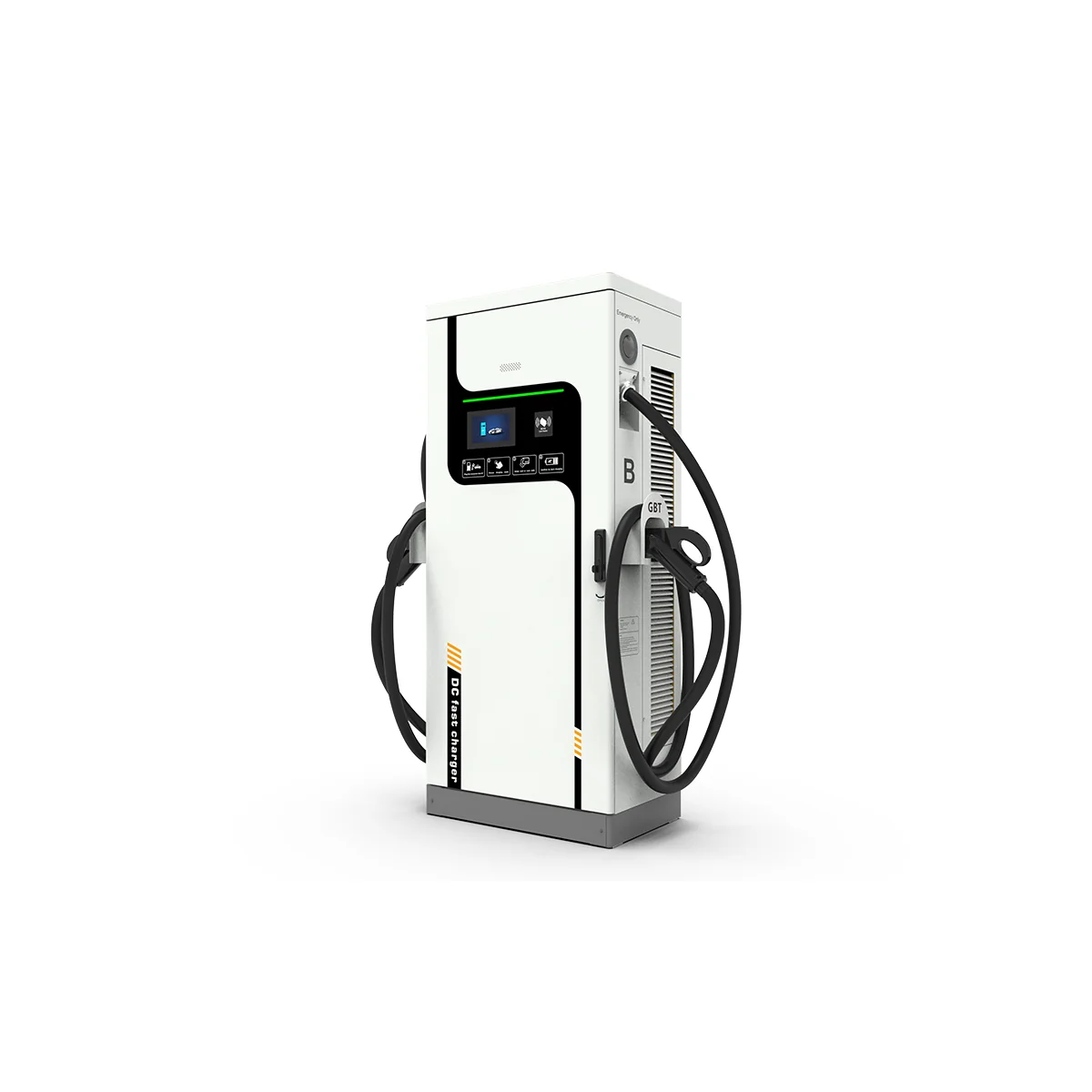
I pulled into a small plaza lot as the rain came down and the battery hit 14%. A 120kw EV charger sat under a dim lamp, quiet and ready. The clock said I had 20 minutes to spare. Recent data shows most drivers plan for 10–20 minute pit stops, yet half face longer waits. I tapped the screen, and the session started. I had read up on the 120 kw DC fast charger 40 , so I watched the numbers rise. But the reality on sites is uneven. Some stations ramp slow. Some shake hands with the car too long. Why does “fast” feel fast in one place and not the other (and on the same city block)? Let’s unpack the deeper reasons and what they mean for daily travel—then map a better path.
Old Fixes vs New Needs: Why the Fast Lane Still Feels Slow
Where does the delay come from?
Let’s be technical. Look, it’s simpler than you think. Many legacy sites still split power across stalls with static rules. One cabinet. Many posts. Fixed allocation means each car gets a slice, not the full loaf. The result is throttling at peak times—funny how that works, right? Add in long PLC handshakes, OCPP retries, and power converters that were never tuned for quick ramp. Heat builds. Thermal management kicks in. Output drops. The driver only sees “72 kW” on the screen. Behind the glass, the rectifier stack is holding back to avoid overload and grid harmonics. Cable loss and high‑voltage connectors add their small tax. Seconds turn to minutes.
Then come the hidden pain points. Apps time out. Queues feel random. A stall looks open but sits in fault recovery. Uptime matters more than peak watts. Edge computing nodes are rare on older gear, so local logic is slow and chatty. No pre‑auth, no caching, no smart load balancing. Predictive maintenance is missing, so faults linger until a truck rolls. Liquid cooling helps, but only if the control loop is tuned. Drivers want a steady curve and a clear estimate, not just a big headline number—because predictability is the real fuel on a tight schedule.

What’s Next: Principles That Make Fast Feel Instant
Real‑world Impact
The fix starts with new technology principles, not just bigger labels. Modular power converters built on silicon‑carbide inverters cut switching loss and heat. Dynamic load balancing gives one car the burst while another tapers. Local edge computing nodes handle pre‑auth, ISO 15118 Plug & Charge, and live negotiation—so the handshake is seconds, not half a minute. Better thermal management and liquid cooling keep duty cycles high even in summer. Sites that pair this with demand response avoid peak penalties and hold steady output. That is what a modern 120KW EV charging station can do—shift from “maximum” to “consistently fast.” And when the grid blinks, buffer storage smooths the dip. Small touches add up. Shorter cables. Clear UI. Fast fallback paths—because the best session is the one that never stalls.

So, what should you look for when picking a site or spec? Three simple metrics tell the story—funny how a few numbers can calm the mind. 1) Power continuity: measure the average kW over the first 10 minutes, not peak; stable ramps beat spikes. 2) Thermal headroom: does the unit sustain 120 kW at 35°C ambient with no throttle? Ask for the curve. 3) Software posture: OCPP 2.0.1 support, ISO 15118, and clear uptime SLA with mean time to repair under 24 hours. These are the levers behind short stops and calm trips. In short, fast charging is not only about speed; it is about steady design, smart control, and honest data. For context and further reading, see winline EV charger.