Table of Contents
Introduction
Here’s the truth. Spec work is fast, messy, and public—everyone can see when it goes wrong. A designer lighting company sits at the center of big choices and tighter budgets. On site, the GC wants speed; the client wants art; the inspector wants code. Recent bids show up to 27% rework tied to unclear fixture specs and mismatched control topologies (DALI vs DMX, anyone?). Many lighting design manufacturers now juggle sustainability goals and lead-time risks, while designers fight for consistent CRI, stable lumen output, and clean driver integration. So, what if the real bottleneck isn’t taste—but the way we choose, test, and hand off light?
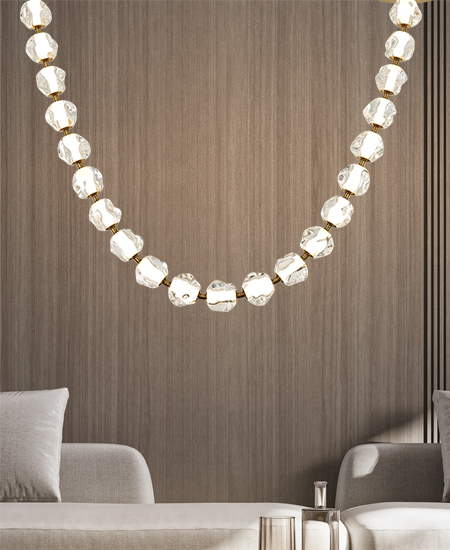
(Stay wid me.) We’ll map the gaps, compare old to new, and point to the next wave. Then you can decide what to keep, and what to leave.
Part 1 — The Hidden Pain Behind Pretty Fixtures
Why do specs still break at install?
We talk about finish, form, and mood. But the friction lies in the workflow. With lighting design manufacturers, the hidden pain points pile up: drivers that hum when dimmed; control loops that clash with building systems; thermal management that shortens LED life. The drawings look clean, yet the cut sheets skip crucial items—driver type, wiring class, power converters, surge protection. Look, it’s simpler than you think: if one device on the line isn’t tested with the control bus you’ll use, the whole room flickers at 15%. And then the schedule slips. And then the client asks why the lobby looks different at night—funny how that works, right?

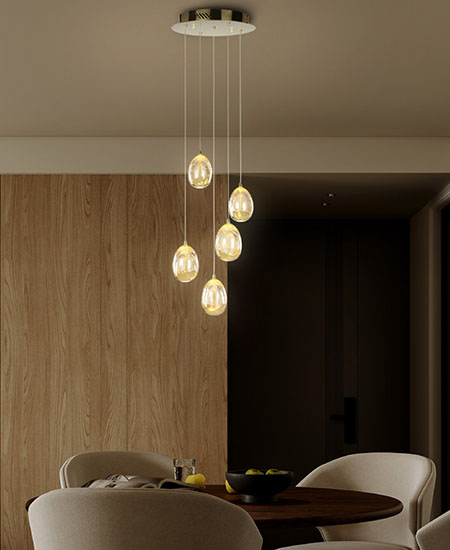
The old “catalog-first” method hides risk. Teams choose by render, not by environment. Ceiling plenum heat, cable runs, and dimmer curves are afterthoughts. That’s why punch lists swell. Low CRI on samples, sweet on paper, sour in reality. Site constraints force swaps; lumen output drops; timelines groan. The fix isn’t more PDFs. It’s a tighter loop between design intent and verified assemblies. In short: know the chain. Spec the parts as a system, not a wish.
Part 2 — Old Habits vs. Integrated Flows
Compare two paths. In the old flow, teams select a fixture, then bolt on drivers, then call controls late. Mismatches surface during commissioning. Costs rise. Coordination gets reactive. In the integrated flow, you start with use cases, then align driver dimming curves, emergency paths, and control layers from day one. You test a mock circuit with the actual driver, dimmer, and harness. You log expected inrush and ripple. You plan the ceiling grid around service access. It sounds heavy. It saves weeks.
Better still, procurement ties to verified assemblies. One SKU includes optics, driver spec, and mounting kit. No hunting for missing clips. No mystery “equal”. Commissioning becomes checklists, not firefighting. And when stakeholders see a live bench test before buyout, they sign faster—because the risk is visible and bounded. That’s the real comparison: pictures vs. proof.
Part 3 — What’s Next: Principles That Shrink Risk, Not Just Wattage
What’s Next
The forward shift is technical, but clear. New principles put testing near the spec, not the site. Think edge computing nodes in the mockup room, logging dimming curves and driver chatter. Think PoE backbones where power and data ride one cable, cutting guesswork. Think smart drivers that expose telemetry, so you see thermal drift before the fixture fails. And yes—hybrid kits for designer chandelier lighting that pair elegance with a defined control profile. We’re moving from “pick a look” to “choose a verified system.” Short sentences. Fewer surprises.
Future outlook? Libraries of pre-validated assemblies by space type: gallery, hospitality, workplace. Each bundle covers lumen targets, CRI min, driver family, and dimming protocol. You test once, then scale. Serviceability improves with modular power converters and swappable optics. Thermal margins get real, not optimistic. And pricing stabilizes—because the parts travel together. The insight from before still holds: when you integrate early, your late phase is calm. When you don’t, you pay in noise, rework, and calls at 11 p.m.—and yes, your client will notice.
Before you choose any path, use three evaluation metrics: 1) System proof, not parts: request a live dim-to-dark test with the intended control bus and emergency path; 2) Environmental fit: confirm thermal limits, ceiling access, and conductor lengths against the actual plan; 3) Lifecycle clarity: verify driver MTBF, swap strategy, and spare-kit policy for five years. Meet those, and your spec stands up in the real world. The rest is style, and style is the fun part. Knowledge shared, not sold: kinglong