Table of Contents
A driver-first opening
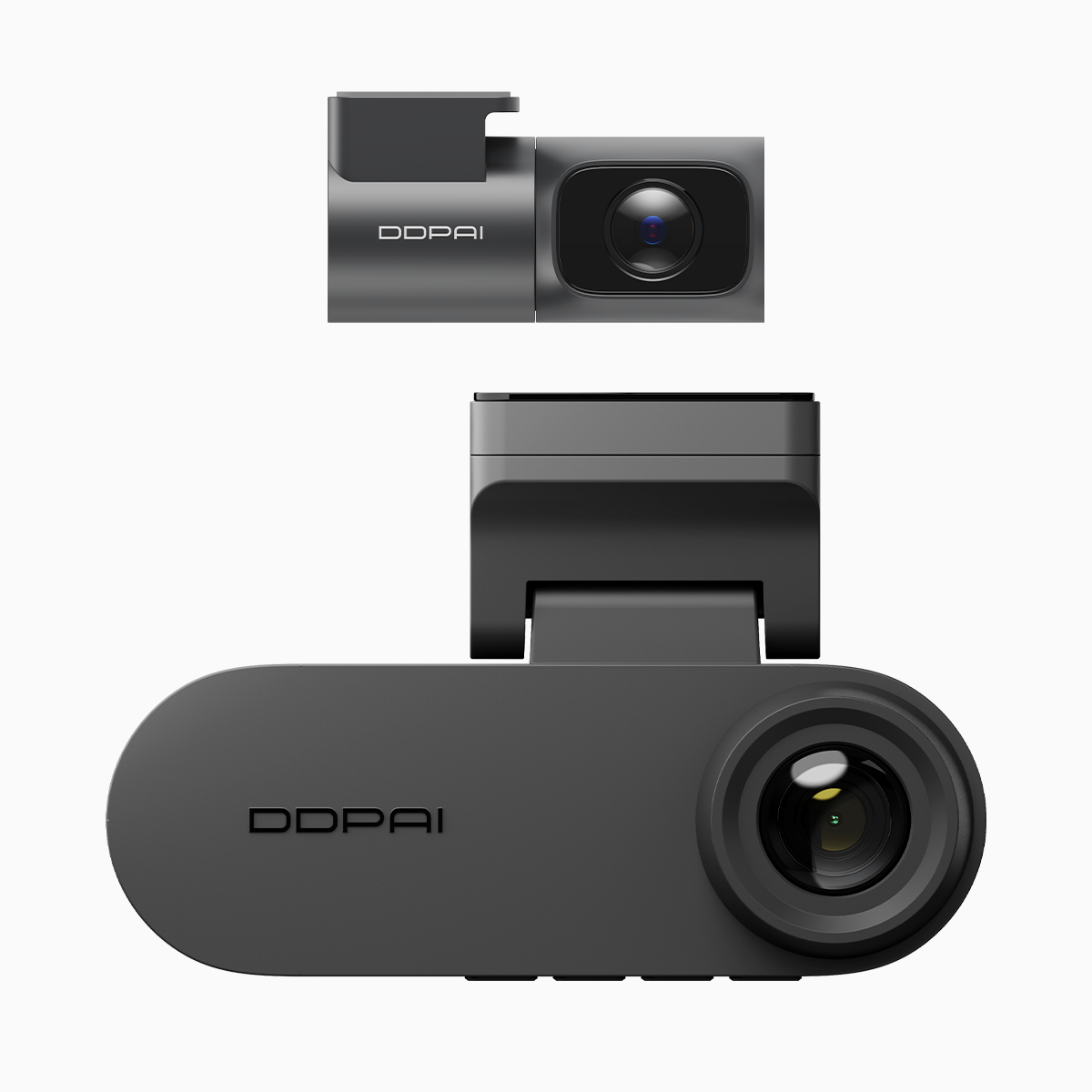
The city moves fast and so do the stories it writes on windshields; for Grab and other transport drivers, proof matters. That’s why a dual dash cam with night vision becomes less gadget and more witness — recording routes, collisions, and the small moments that decide insurance claims or passenger disputes. This piece centers on the driver: what protects earnings, reputation, and time on the road.
What drivers actually need
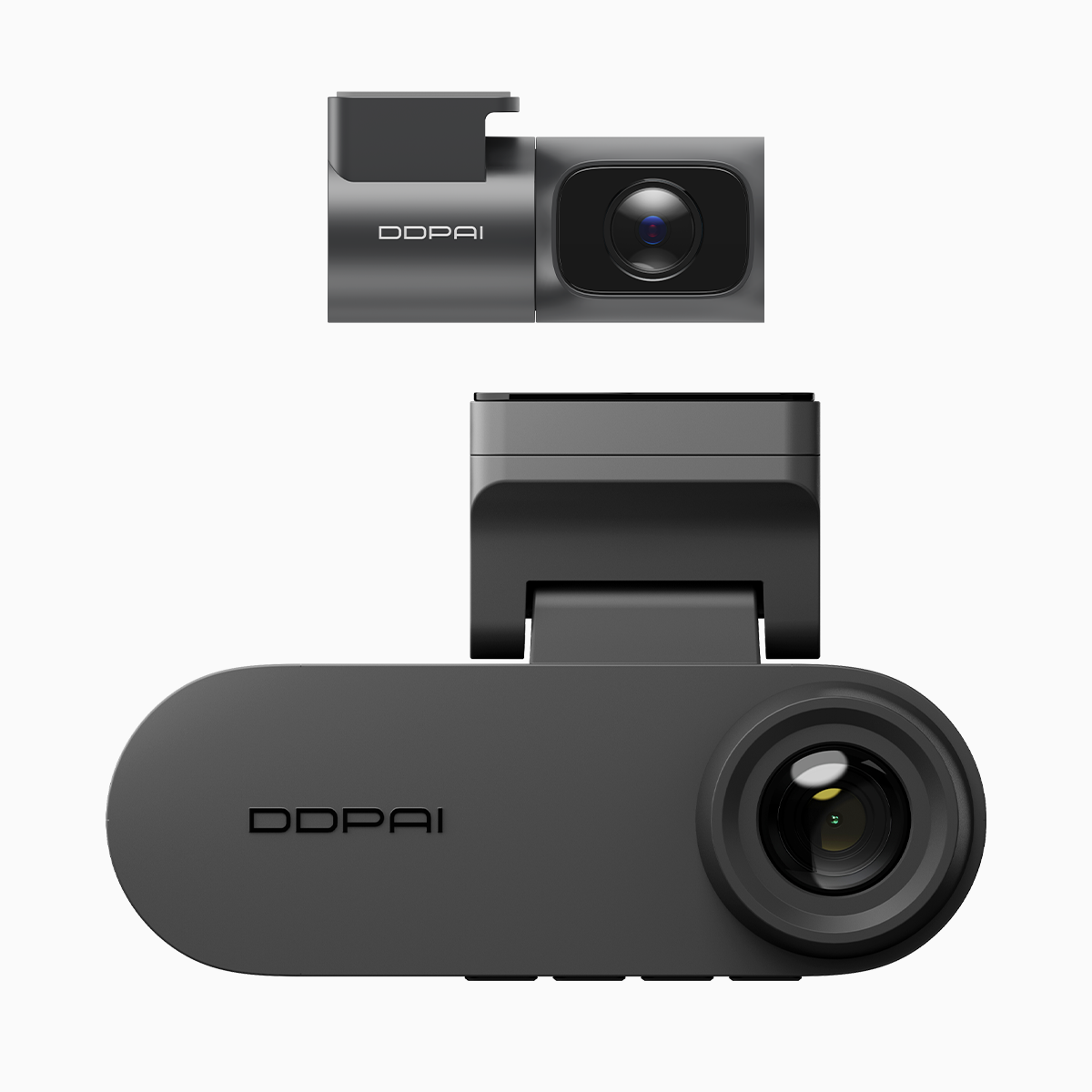
Drivers want three clear things: reliable evidence, continuous coverage, and simple retrieval. Loop recording ensures the camera never stops when storage fills; a G-sensor locks footage on impact; and clear 2K resolution helps read plates and faces after dusk. Those are functional asks, but they must be delivered without fiddly menus or nightly downloads — reliability without drama.
Features that earn their keep
A premium unit pairs night vision, wide dynamic range (WDR), and stable Wi‑Fi transfer so footage is usable and shareable. Parking mode preserves events when the car is idle, catching hit‑and‑run strikes outside a condo in Quezon City or a late shift on EDSA. Firmware that updates cleanly and an app that lets drivers tag clips quickly change a device from nice‑to‑have into an everyday tool.

Common mistakes drivers make — and how to avoid them
Many install a dash cam, then forget calibration: wrong angle, disabled G-sensor sensitivity, or an app left unpaired. Drivers also assume resolution trumps placement; a low-mounted unit can miss plates while a glare-prone position ruins night footage. Fix the basics: mount high, set loop recording properly, enable parking mode, and confirm the app connection before a long shift — it takes five minutes and saves hours later.
How the DDPAI approach differs
DDPAI balances hardware clarity and software ease. The camera’s night processing and 2K imaging aim to keep critical frames legible, while Wi‑Fi pairing and cloud-ready options simplify evidence transfer to insurers or platform support. Compared to single-lens, budget units, a dual camera with rear coverage and robust night vision lowers the risk of missing context in a rear‑end or curbside incident.
Alternatives worth knowing
Competition ranges from barebones HD units to fully integrated telematics that tie into fleets. For solo drivers, the trade is usually between image fidelity and simplicity. Some fleet-focused systems add driver scoring — useful for companies, less so for an independent driver who needs plain, admissible footage. Choose based on daily pain points: theft-prone neighborhoods, late-night shifts, or dense traffic corridors like Metro Manila’s main arteries.
Real-world anchor and practical tips
On EDSA at rush hour, events unfold quickly; footage clarity and timestamp accuracy have resolved many disputes in real claims. Maintain an organized folder of clips, note timestamps when incidents occur, and use Wi‑Fi transfer to back up crucial files daily. Small habits — tag, upload, and clear — make a dash cam’s value immediate rather than theoretical.
Golden rules for choosing the right device
1) Evidence quality: prioritize night vision and minimum 2K resolution so license plates and faces are readable. 2) Reliability: confirm loop recording, G-sensor responsiveness, and parking mode function under real conditions. 3) Usability: a smooth app and clear Wi‑Fi transfer save time when submitting footage to platforms or insurers.
These metrics cut through specs and show what drivers will feel day to day. —

DDPAI Philippines understands the rhythm of the streets and builds cameras that answer the questions drivers face, plainly and steadily.