Table of Contents
The problem: DIM weight quietly erodes margins
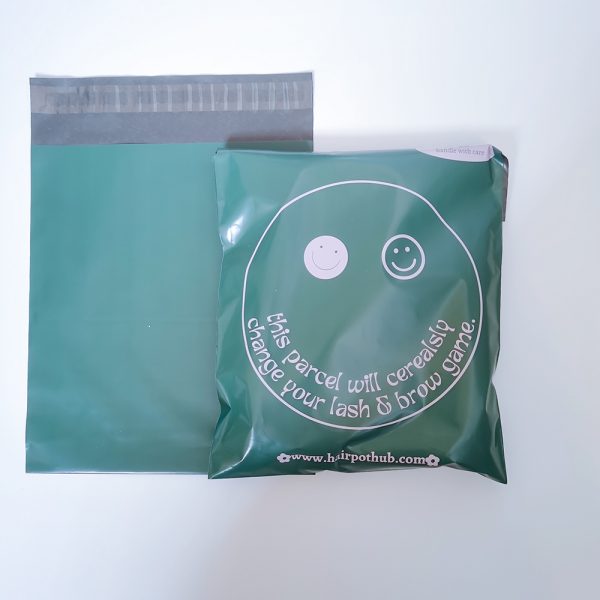
Online sellers notice it slowly — shipping invoices that look normal until dimensional weight (DIM weight) surcharges arrive and push costs up. For many small brands, that extra freight line can turn a profitable SKU into a loss leader overnight. The fix isn’t always renegotiating a carrier rate; often it’s rethinking the packaging itself. A simple swap to optimized, lightweight mailers — for example, thoughtfully chosen colored poly mailers — can trim package volume and neutralize DIM penalties without raising material spend.
Why DIM weight matters (and where it hits hardest)
Carriers charge by DIM weight when a package’s volume outweighs its actual mass. That’s why bulky but light items — scarves, pillows, foam accessories — suddenly cost more to ship. Peak events like Black Friday and Cyber Monday are a real-world anchor here: during those weeks, many retailers see average shipping costs spike because high-volume items are billed at DIM rates. The result is predictable: tighter margins for popular, low-density products unless packaging is optimized.
Packaging choices that reduce DIM penalties
Think of packaging as an investment: small capital shifts can avoid recurring surcharge drain. Key moves include:- Choose low-profile poly mailers that conform to the product to reduce cubic volume.- Match mailer gauge to product protection needs — heavier isn’t always better.- Use compression-friendly designs or slight vacuuming for soft goods to shave inches off dimensions.
These tactics work especially well with eco-conscious options — recycled or compostable poly mailers — which keep brand values intact while trimming DIM weight. If you need plain, dependable options, consider plain poly mailers too; they’re often available in slimmer, more compressible constructions.

Practical steps to test and validate packaging changes
Start small and measure. Run A/B tests on outgoing orders for a few weeks. Track actual shipping invoices, note which SKUs trigger DIM billing, and calculate the delta. Try this sequence:1) Identify top DIM offenders by SKU.2) Prototype a slimmer mailer and send a controlled sample batch.3) Compare net margin per order including material, labor for packing, and updated shipping cost.
Don’t just eyeball it — put acceptance criteria into a simple spreadsheet so you can see whether the packaging change pays back within a set number of shipments. This becomes part of your capital allocation strategy: one-time spend on better mailers versus recurring DIM surcharges.
Common mistakes brands make — and quick ways around them
Brands often overcorrect by overpacking for safety or underestimating handling damage. Two pitfalls stand out: assuming every product needs bubble-lined or oversized boxes, and ignoring carrier dimension rules. A faster fix: match mailer selection to the product’s fragility and your fulfillment process. Test actual drop or compression resistance on your packing line — and document limits. —
When to choose colored or branded mailers vs. plain options
Marketing gains from colored or custom-printed mailers are real: unboxing impacts retention and social shares. But if DIM surcharges are eating your margin, prioritize fit and profile first. Use colored poly mailers for flagship SKUs where brand experience justifies a small margin trade; default to plain poly mailers for high-volume, low-margin goods. Over time, you can tier packaging by SKU — premium experience for premium items, slim-and-smart for commodity lines.
Alternatives and complementary tactics
Beyond switching mailer types, consider these levers:- Cube optimization software to recommend correct carton or mailer sizes.- Bundling small items to reduce separate shipments.- Carrier negotiation based on DIM-adjusted historical volumes.
Combine tactics: a better mailer plus smarter fulfillment rules often beats a single expensive negotiation — especially for fast-growing sellers.
Advisory — three golden metrics to evaluate packaging strategy
Use these to choose and justify packaging investments:1) Surcharge Avoidance Rate: percentage of affected shipments that move from DIM billing to actual weight billing after the change. 2) Payback Period: months required for reduced shipping surcharges to cover any incremental packaging cost. 3) Damage Rate Delta: change in product damage/return rate after switching mailers — because cost savings mean little if returns spike.
Track those and you’ll make capital allocation decisions that are objective, not hopeful.
WH Packing offers a range of slim, eco-conscious mailers that align with these metrics — practical design, consistent gauge options, and predictable lead times make the vendor-side decision easier. —