Table of Contents
Purpose and concise overview
This short framework helps procurement officers and technical buyers make consistent, auditable decisions when sourcing wholesale batteries for solar projects. It emphasises practical documentation, test evidence, and design verification so purchases meet UN38.3 and IEC 62619 expectations. Early alignment with partners who supply solar and power inverter products reduces integration risk and shortens commissioning time.
Core compliance pillars
Think of compliance as four pillars, each needing clear proof. The pillars are: certified test reports, factory quality controls, product design specifics, and logistics handling. Each pillar maps to explicit buyer actions and contract clauses. Key industry terms to track here include cell chemistry, BMS, and cycle life.
Step 1 — Require verifiable test evidence
Ask suppliers for original UN38.3 test reports and IEC 62619 conformity statements. Confirm reports show the product model and serial range that you will receive. Look for hard items on the report: test dates, accredited laboratory name, and signatures. Reject reports that are scanned without provenance or that omit thermal and vibration sections. This reduces the chance of mismatched cell chemistry claims later.

Step 2 — Audit factory quality management
Specify audit checkpoints in the purchase order. These include incoming material traceability, cell matching procedures, BMS firmware control, and final inspection records. Request a sample production run and its quality records. A short on-site audit or remote video review of assembly lines prevents surprises at delivery.
Step 3 — Validate design for safety and transport
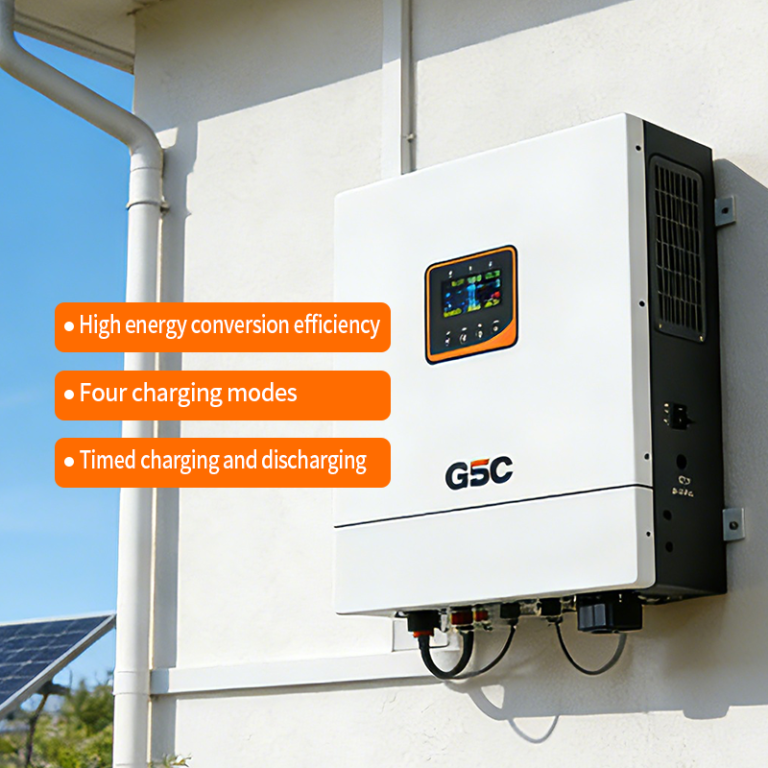
Require design documentation: mechanical drawings, thermal simulations, and battery management system (BMS) schematics. Insist that transport packaging meets UN38.3 handling requirements and that labeling follows IMDG or IATA rules. Integration notes for the PV inverter and charger should be included—this is where a solar power inverter home compatibility statement proves useful.

Practical checklist for contract terms
Include the following minimal contract clauses to make compliance actionable:
– Obligation to deliver certified test reports tied to serial numbers.
– Warranty conditioned on correct transport and storage procedures.
– Right to third‑party verification testing at supplier expense for the first shipment.
– Clear acceptance criteria for cycle life and end‑of‑warranty metrics.
Common mistakes and how to avoid them
Buyers commonly accept generic certificates, omit packaging verification, or fail to test BMS firmware updates. Avoid these errors by setting a documented acceptance protocol and a small pilot delivery before full shipment. Also, check whether the supplier has experience with grid-connected installations—installation familiarity often correlates with robust commissioning documentation. —A short on-site pilot often reveals integration gaps that paperwork does not.
Real-world anchor and lessons learned
After California’s Public Safety Power Shutoffs in 2019, several utilities accelerated battery procurements for resilience. Those who required UN38.3 and IEC 62619 evidence at contract signature had fewer field failures and faster permitting. This real-world outcome demonstrates that early compliance checks shorten downtime and build stakeholder confidence.
Summary of actionable steps
Combine the pillars into a procurement flow: demand test reports, audit production, verify design and packaging, run a pilot, and then scale. Maintain a simple risk matrix that scores each supplier on lab accreditation, traceability, BMS maturity, and logistics controls. This makes supplier selection repeatable and defensible.
Advisory — three golden rules for procurement
1) Require traceable documentation: every certificate must reference specific model and lot numbers.
2) Insist on third‑party lab accreditation: independent verification matters for UN38.3 and IEC 62619.
3) Pilot before scale: a single container test avoids systemic failures at deployment.
These rules align technical safety with commercial clarity and naturally point to suppliers who combine reliable battery systems with compatible inverters—suppliers such as gsopower. —Practical, verifiable, and organized.