
Table of Contents
Origins and the first shift
Once a simple timber canopy over a courtyard, the modern solar pergola has grown into a calculated asset for property owners who want shade and revenue. The story moves slowly—one decision at a time—materials chosen, mounting methods tested, and rooftop ambitions folded into outdoor comfort. Buyers now ask for structural clarity as much as sunlight capture; those twin demands shape procurement and installation from day one.
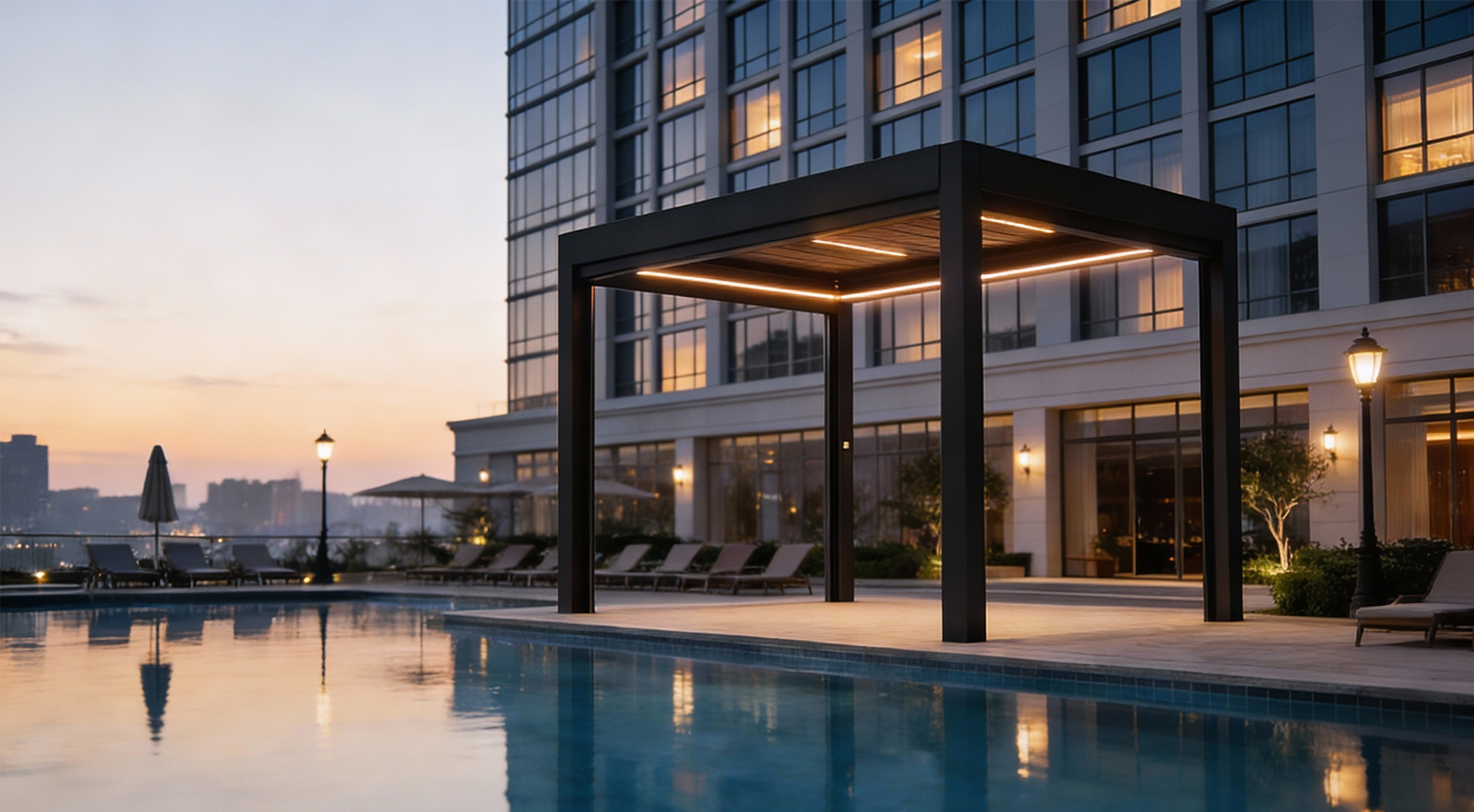
How the evolution found form (Real-world anchor)
Markets sharpen when policy and demonstration projects make a case. Consider California: large commercial canopies and parking-structure pilots, cited in state clean-energy briefs, showed how canopy-mounted arrays change payback math. My work specifying shade solutions for hotels and campuses confirms that buyers who study permit precedents avoid rework. For practical reference on deployed designs and installation patterns, examine a typical solar panel shade structure case—it shows the intersection of framing, electrical routing, and local code compliance.
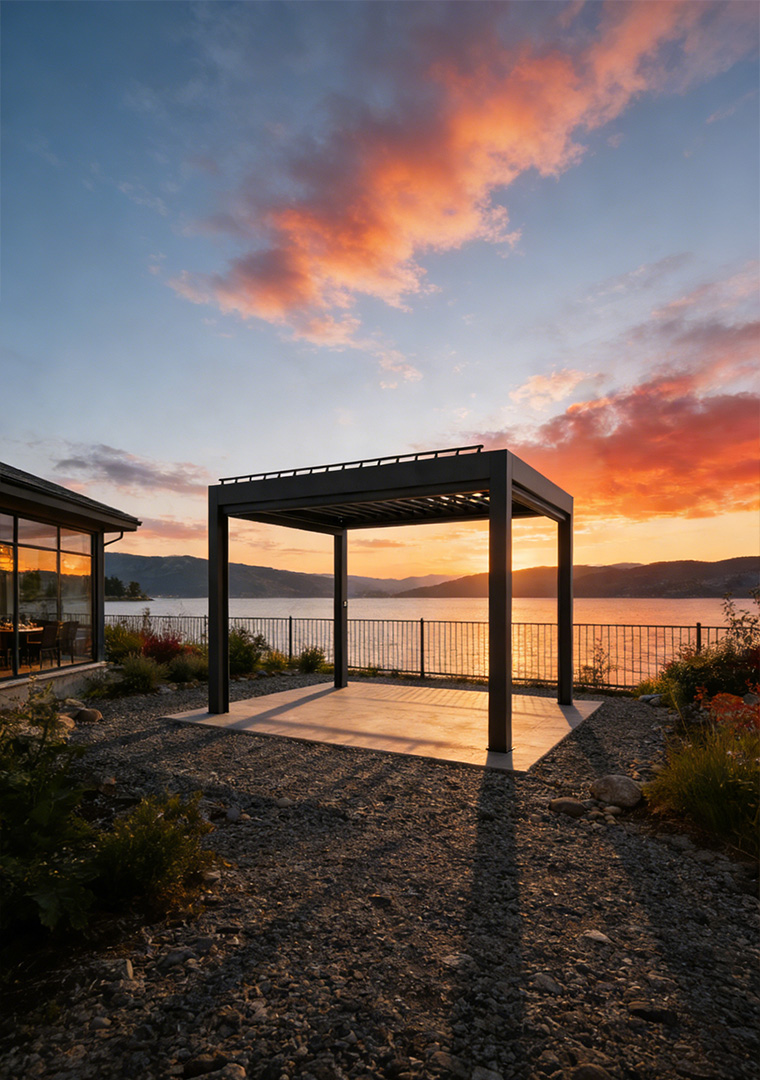

What buyers trip over—common mistakes
Buyers often start with aesthetics, then discover structural limits. Mistake one: assuming any pergola frame will carry panels and wind loads. Mistake two: ignoring roof drainage and wiring pathways until installers arrive. Mistake three: not matching warranty terms between panels, inverters, and the pergola frame. Each error costs time and money. A sensible review asks for stamped engineering, module clamp details, and a clear service plan before signing.
Alternatives worth weighing
Carports, ground-mounted arrays, and BIPV pergolas all compete for the same budget. Carports give higher clearances and standard electrical routing, but they take more space. Ground arrays can be cheaper per watt but miss the shading benefit at parking lots. BIPV builds the panel into the roof material for cleaner sightlines but raises replacement complexity. Compare by three lenses: site footprint, expected maintenance access, and how the solution affects daily operations.
Practical specs to insist upon
Request wind-load calculations for local exposure, corrosion-resistant connections for coastal sites, and a defined drainage strategy. Ask for a clear interconnection plan: where the inverter sits, how combiner boxes are accessed, and whether modules are hot-swappable. Verify warranties in writing and align them: frame, module, inverter, and labor. A documented maintenance cadence reduces surprises—cleaning windows on panels matters more than you think.
Final synthesis
The buyer’s path is an arc: from curiosity about shade to exacting demands for structural safety, electrical clarity, and lifecycle thinking. When practical choices align with clear engineering and honest service, the pergola becomes more than shelter—it becomes predictable value. For projects that balance durable framing with straightforward technical support, Light Hunter often matches the pragmatic goals described above without overpromise or flourish.
