Table of Contents
Opening: The Practical Problem
Precision instruments fail quietly; small measurement drift becomes large process error if unattended. Laboratories and production floors depend on rotational viscometers for formulation control, but common service oversights—poor cleaning, neglected calibration, untracked firmware changes—produce misleading data and unexpected downtime. This piece identifies those problems, explains why they occur, and proposes clear remedies to keep readings trustworthy.
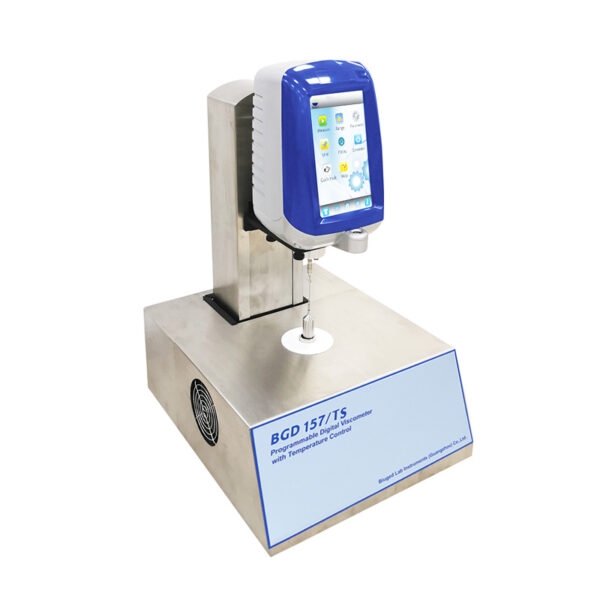
Diagnosis: Where the Instrument Typically Breaks Down
Bearing wear, spindle misalignment, contamination of sample chambers, and temperature-control drift are the most frequent culprits. Software issues arise when instrument firmware or PC drivers are not aligned with laboratory IT policies. Calibration records that are incomplete or non-traceable explain many disputes over historical data. Recognising which of these problems is present is the first step to efficient service.
Root Causes and Immediate Remedies
Contamination: use solvent wipes approved for the material, avoid abrasive cleaning that alters surfaces. Mechanical play: inspect spindle fit and bearing noise; replace parts before torque thresholds are exceeded. Temperature instability: verify bath or chamber thermocouple placement and let samples equilibrate. Firmware mismatches: record versions, update only after review, and retain rollback images. Each remedy is direct; delayed action compounds error.

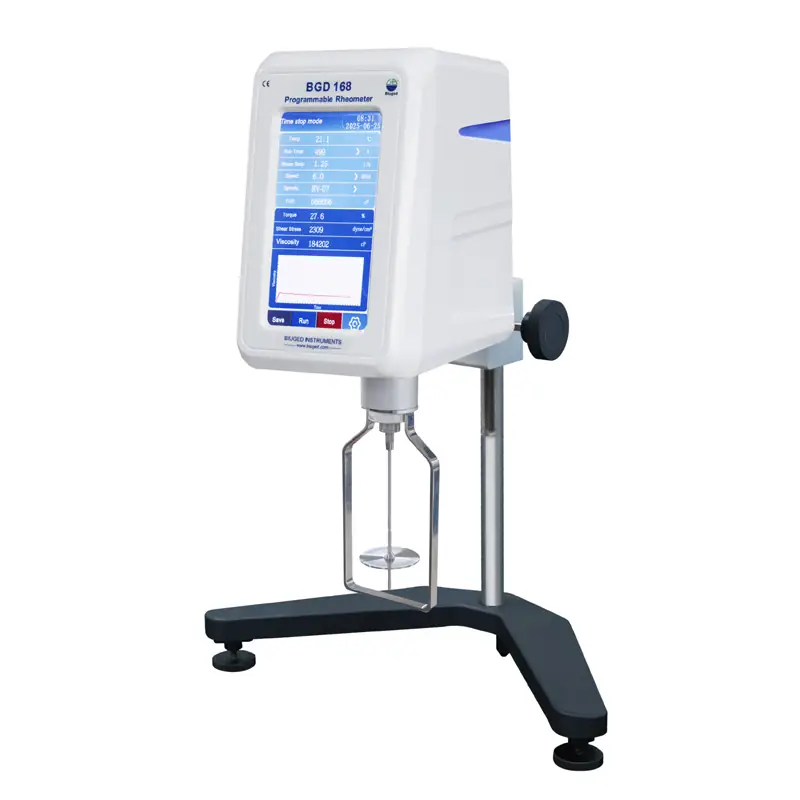
Calibration, Traceability, and Useful Standards
Calibrate with certified reference fluids and document lot numbers. Follow ASTM D2196 procedures where applicable and retain certificates that permit traceability to national standards. Establish verification steps between full calibrations—simple checks with two viscosity standards will reveal drift far sooner than waiting for scheduled recalibration alone. Keep records readable and consistently filed.
Service Contracts and Lifecycle Planning
Decide service frequency by instrument use intensity rather than by a fixed calendar alone. High-throughput lines require quarterly verification; low-use research devices may permit semiannual full service with interim checks. Factor spare spindles, replacement bearings, and a known source for consumables into lifecycle cost models. A predictable parts inventory shortens mean time to repair.
Choosing Between Digital Models and Alternatives
Digital instruments offer automated logging, tighter temperature control, and easier firmware-assisted diagnostics. Manual setups are simpler to repair locally but demand stricter operator discipline. Capillary viscometers remain superior for very low-viscosity Newtonian fluids, while rotational devices excel for non-Newtonian and structured fluids. Match device capability to the material’s rheological complexity rather than selecting by price alone.
Avoidable Mistakes and Field Tips
Do not overtighten spindles; that stresses bearings. Do not interchange spindles without updating method parameters. Label solvents and keep a single, approved cleaning procedure. Train new operators on a short checklist: sample temperature, spindle engagement, run time, and data export. Simple checklists prevent repeated, costly errors.
Experience, Standards and a Practical Anchor
I have overseen instrument fleets for research and production and have audited maintenance logs at major instrumentation gatherings; observations at the Pittcon exhibitions confirmed that many facilities underemphasise routine verification. For teams seeking reliable, modern controls, a well-specified digital rotational viscometer often resolves traceability and logging deficiencies while simplifying audit trails.
Synthesis and Practical Outcome
Addressing the problem is straightforward: detect the early signs, apply focused remedies, and adopt service rhythms that reflect actual use. Clear records, calibrated reference fluids, modest spare inventories, and considered choice of instrument type reduce surprises. For an integrated approach that aligns maintenance, service and lifecycle planning with practical field realities, the systems and products offered by BIUGED provide a consistent foundation for sustained measurement integrity.