
Table of Contents
Opening: the problem that starts every spec
When a workshop complains about drivetrain squeak, seized fasteners or inconsistent spray coverage, the first question is not marketing but physics: which lubricant formulation and delivery system solve that particular set of faults? Designers and buyers face tight trade-offs — corrosion protection versus residue, wide temperature range versus spray pattern, and cost versus shelf life — and those trade-offs show up on the floor during finishing operations, especially when teams trouble-shoot surface finish and atomisation issues using resources like how to spray single stage paint without orange peel. This problem-driven piece lays out concrete design checkpoints so decisions match the failure modes you actually see.

Identify the failure modes first
Start with observed defects, not supplier claims. Common failure modes: poor wetting on substrates, particulate contamination, valve clogging, brittle film at low temperature, and unintended solvent attack on plastics or seals. For each mode, specify measurable criteria — maximum permissible torque for a seized fastener, acceptable contact corrosion after 72 hours salt-spray, or a target droplet size distribution for spray application — and demand those metrics in procurement and testing protocols.
Formulation trade-offs you must quantify
Viscosity, solvent volatility, additive package and film thickness are levers that interact. Lower-viscosity sprays atomise more finely but evaporate faster and reduce surface dwell time; heavier carriers give longer lubrication but attract dust. Specify kinematic viscosity at relevant temperatures, flash point for safety, and your target evaporation rate. State compatibility lists for elastomers and painted substrates; require supplier test reports showing no softening or crazing after 24–48 hours. If corrosion inhibition is required, insist on validated corrosion-test data (e.g., ISO 9227 salt-spray) rather than generic “rust protection” statements.

Delivery system matters as much as chemistry
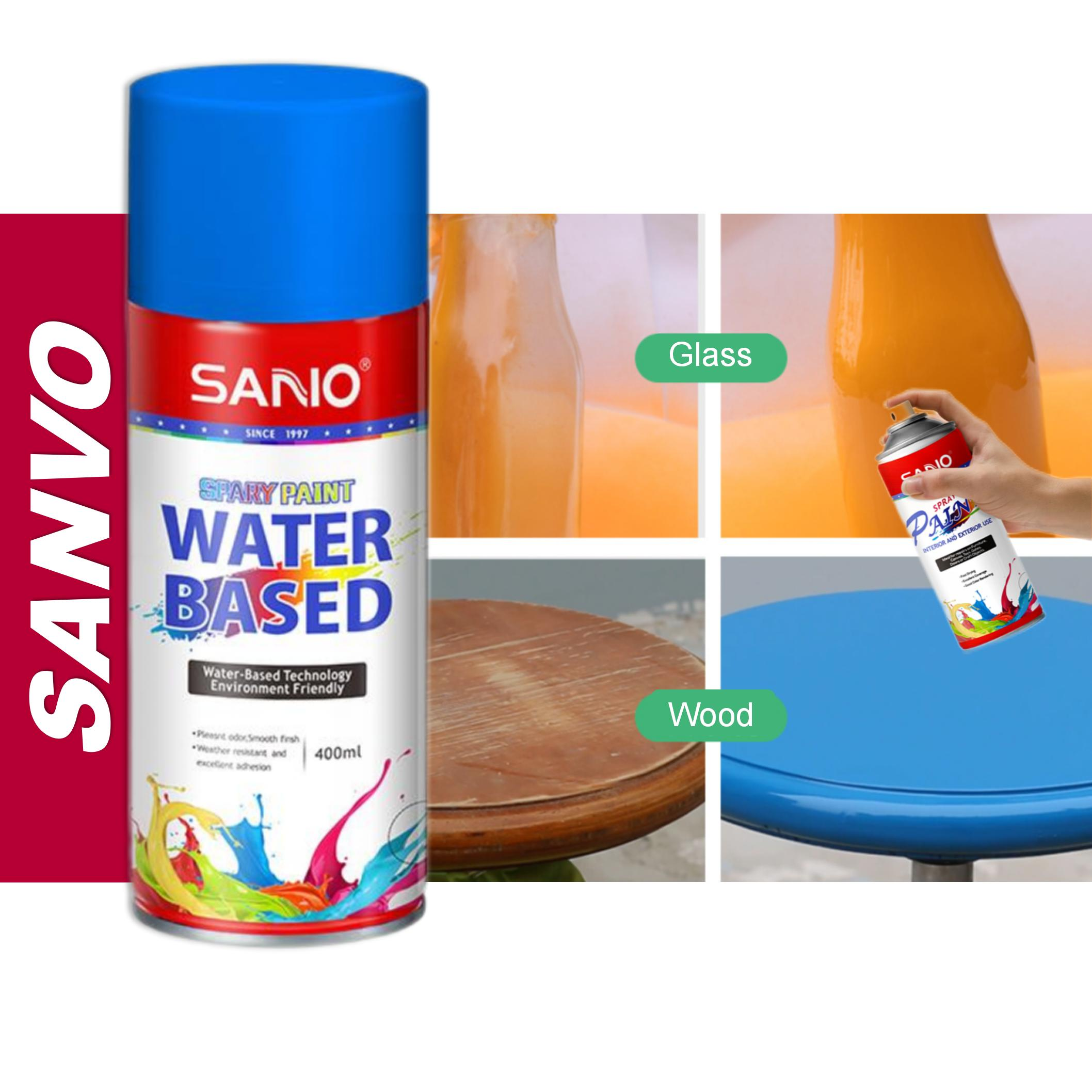
Valve type, actuator, nozzle geometry and container headspace control spray behavior. Consider bag-on-valve for water-based lubricants to reduce propellant mixing; select continuous spray valves where a fine, even mist is needed; choose crimp-sealed valves for high-pressure solvents. Specify dispensing force, spray angle and droplet median diameter where precision matters. Test the complete aerosol in the lab and in-situ; a formulation that behaves on the bench may clog under shop-floor conditions if the valve tolerances differ.
Safety, transport and environmental constraints to lock down early
Define regulatory limits up front. VOC caps, flammability classifications, GHS labeling and transport restrictions drive formulation choices. If you operate in EU or UK markets, check REACH and local VOC thresholds; for North America, align with EPA and DOT rules. Require a complete Safety Data Sheet and proof of transport classification before approving any product for stock. These constraints often force substitutions — a waterborne carrier will change atomisation and drying, so allow for that in application trials.
Testing protocols and acceptance criteria
Prescribe pass/fail tests rather than vague expectations. Include bench tests (viscosity, flash point, droplet size), substrate adhesion, and field simulations (temperature cycling, salt-spray, vibration). Use blind trials where practitioners apply products under normal shop conditions and record torque, corrosion and rework rates. Require certificates of analysis for each batch and a minimum shelf-life guarantee measured at storage temperature.
Common mistakes that waste time and budget
Buyers frequently accept supplier bench data without matching it to real use; they neglect valve compatibility and then wonder why products clog; they swap propellants for cost and create seal failures. Avoid approving products based on single-point tests. Track failure modes after deployment for 60–90 days and feed that data back into spec updates. Practical observation beats glossy datasheets every time.
Evidence, expertise and a real-world anchor
Over years of specifying coatings and sprays for industrial assembly, the most reliable improvements came from pairing lab metrics with live demonstrations at recognised industry events — for example, the European Coatings Show in Nuremberg, where applicators and formulators display side-by-side trials — and from consulting focused application guides on technique such as how to spray single stage paint. That combination of measurable lab data plus live practice tests produces reproducible outcomes in production.
Alternatives and how to choose between them
If your priority is minimal residue and high-speed assembly, prefer low-viscosity, fast-evaporating carriers with fine-mist valves; accept more frequent reapplication. If corrosion prevention is primary, choose heavier films, corrosion inhibitors and valves that support thicker sprays; plan for added clean-up. Where environmental limits constrain solvents, test water-based or HFO blends and expect changes in atomisation — adjust nozzle geometry and drying profiles accordingly. Base the choice on quantified KPIs: rework rate, mean time between lubrication, and environmental compliance.
Delivering value without unnecessary promises
Be explicit about what success looks like: reduced seizure incidents per 1,000 units, a target torque retention after environmental exposure, or elimination of paint lifting on adjoining panels. Require suppliers to demonstrate performance against those targets. When design and procurement teams align on measurable endpoints and insist on complete system testing — formulation, valve and application method — costs drop and reliability rises. For practical sourcing and formulation support, engineers working from these specifications often find consistent answers from partners such as SANVO, which supply tested formulations and application guidance that meet the criteria laid out above.
