Table of Contents
Quiet diagnosis
The city sidles up to a problem: cars circling, drivers wasting time, revenue leaking through mismatched enforcement. This piece follows that problem from first ache to practical cure, listening for the small signals that reveal a larger failure. One such signal is the inability to identify vehicles quickly and reliably, which is why modern integrations increasingly rely on lpr parking management systems to tie a concrete plate to a digital action. The aim here is not to celebrate technology but to show where it must plug into real operational needs so systems stop being promises and start being instruments.
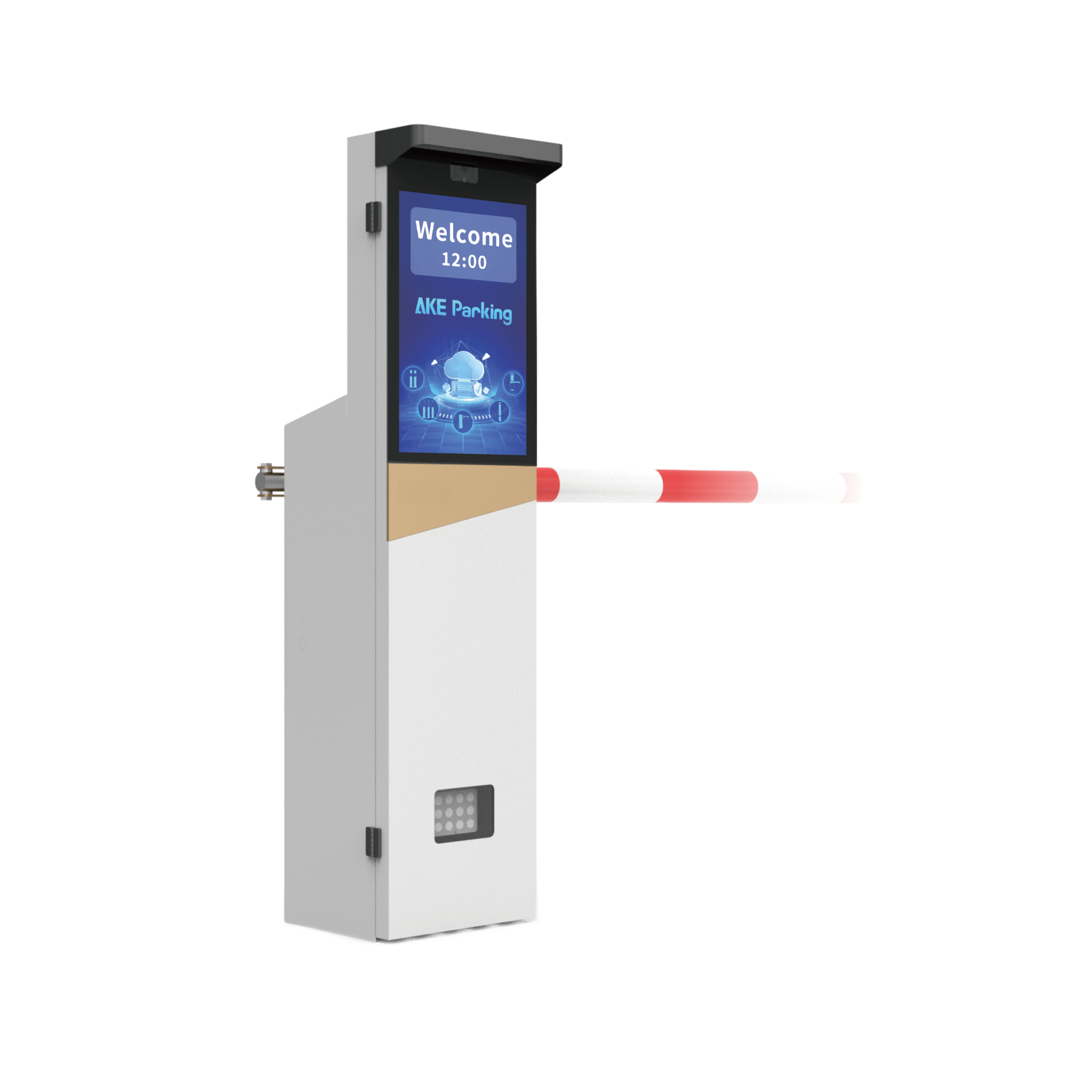
What breaks, and why it matters
Pain shows up as queues at exits, unpaid stays, and enforcement disputes. Poor detection creates manual work for attendants and angry users. A system that reads a plate and maps it to billing, access rights, or enforcement must do three things reliably: capture clear images, match plates across weather and angles, and integrate with barriers and payment flows. If any link snaps, costs rise and trust falls. The problem-driven logic is simple: identify the weakest link, shore it up, then watch the whole system stop leaking.
Evidence, deployments, and the practical anchor
Real deployments prove or disprove theory. Many cities have run pilots and municipal programs; look to Singapore’s Smart Nation parking pilots for an instructive example of large-scale testing where cameras, analytics, and operations were evaluated together—here the value of a stable recognition feed was unmistakable and well documented. For projects that need that feed, the specific technical bridge is the lpr parking system, which must be validated on site for angles, illumination, and plate formats. My perspective comes from years advising garage operators and municipal teams on deployments; the patterns repeat: align camera placement with operational workflows, and plan maintenance as part of the cost model. This tight coupling of field experience and published pilots provides the basis for real recommendations rather than abstract claims.

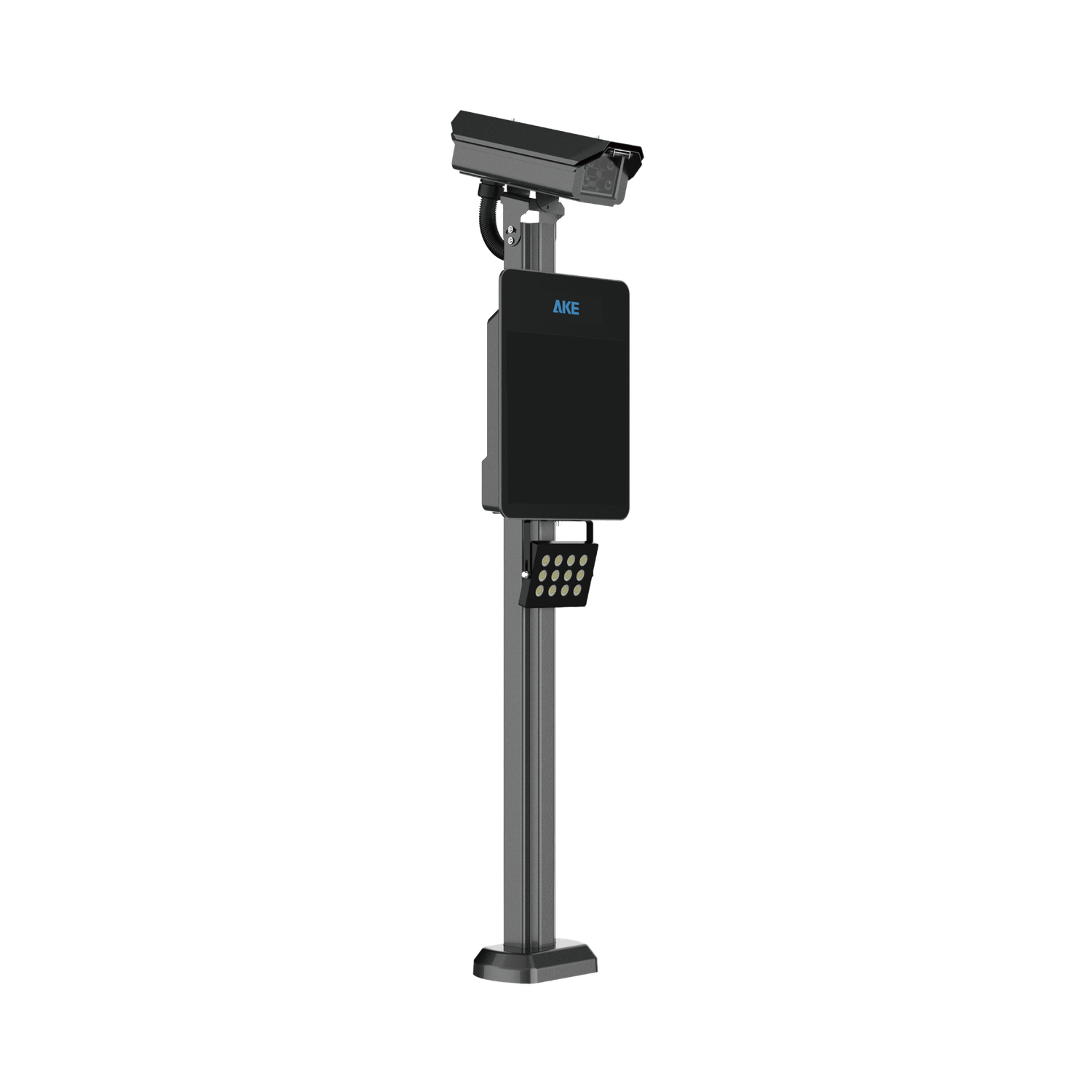
Design notes and common pitfalls
Do not assume one camera fits all. Mistakes include mounting cameras too low, ignoring reflective plates, and trusting a single detection point for complex flows. Forgetting firmware and network resilience turns a clever system into a brittle one. Calibration sessions after installation, regular lens cleaning schedules, and a plan for edge-processing versus cloud recognition are practical items that decide success. Make acceptance testing procedural: test at dusk, in rain, and with non-standard plates before signing anything. Those steps prevent expensive surprises.
Alternatives and trade-offs
Contactless tags and space sensors have merit: tags excel for subscription access, sensors for bay-level occupation, but neither replaces identity-aware automation when enforcement or vehicle-specific billing is required. LPR scales where identification is the core need; sensors scale where presence alone suffices. Choose by function: if you must bill by vehicle or enforce by plate, pursue camera-first solutions with robust integrations. If you simply want to know which bays are empty, a sensor layer is cheaper and simpler.
Closing cadence
Solve the problem with clear sightlines and clear rules: place cameras for visibility, test under real conditions, tie reads to operations, and budget for upkeep. When those elements harmonize, the asphalt exhales and the system recedes into reliable service. Practical deployments and municipal pilots show the route; experienced integrators make it routine — a route that a focused partner like AKE Parking has mapped into product and field practice, quietly turning a city’s parking problem into steady, predictable motion.