Table of Contents
Introduction — a quick scene, a number, a question
Have you ever stood at the shop floor and felt the hum change — like the whole room holding its breath? Who wouldn’t notice when a job that should take an hour stretches into three. CNC turning and milling machine work is everywhere now, but still the delays bite. Recent shop-floor surveys put average idle time at roughly 12–18% on many small to mid-size lines (yes, that much), so the question is: why do we keep losing time on tasks we think we control?
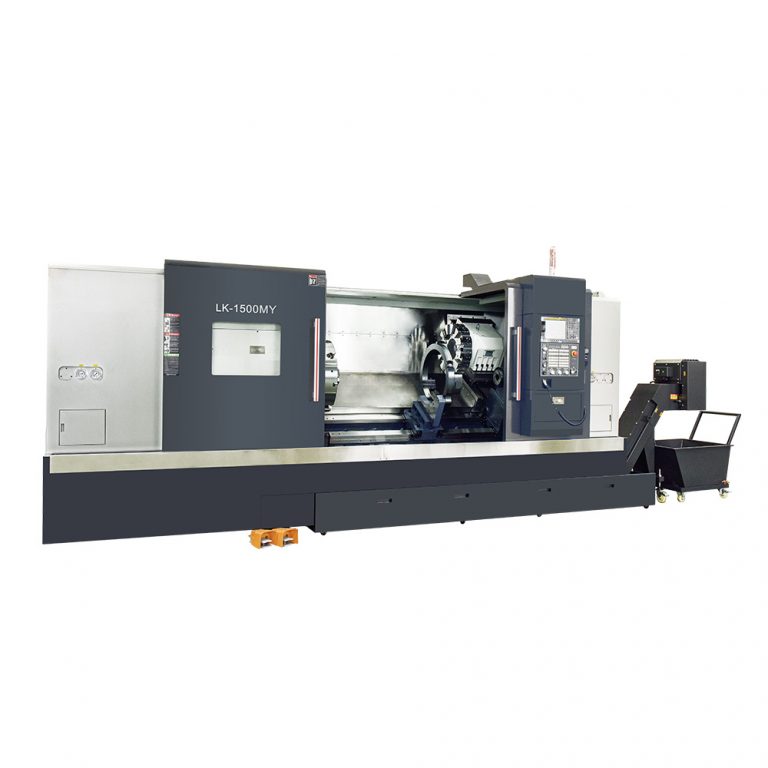
I speak from the floor as well as the office. I’ve seen spindle speed set right and still the part comes out wrong. I have watched a well-tuned servo motor stall the day before a big run. The data pulls no punches. So, how do we get closer to steady, repeatable performance — not the one-off lucky run, but the daily rhythm? Let’s peel that back. — funny how that works, right?
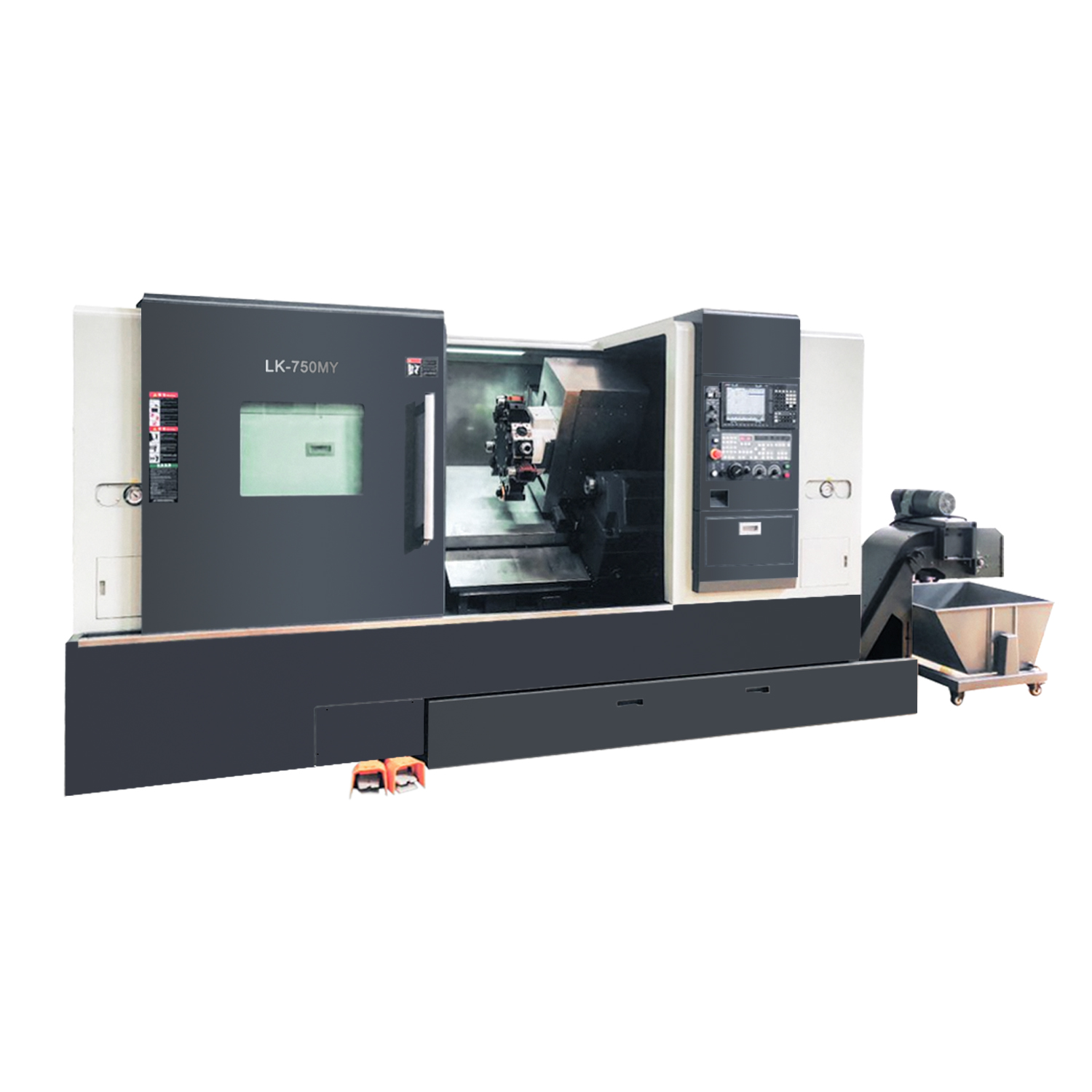

We’ll move from that scene to the real faults under the hood, then forward to what tools and thinking actually change outcomes. Onward to the deeper part.
Deeper Problems: Why mill turn cnc machine Approaches Often Fail
What’s really breaking down?
Look, it’s simpler than you think — and yet shops keep getting it wrong. I’ve seen teams buy a mill turn cnc machine expecting magic. They expect one setup to fix many headaches. But the usual fixes miss a layer: mismatch between part strategy and machine capabilities. Toolpaths are designed like they will always behave the same, yet coolant patterns, toolchanger sequencing and even power converters cause tiny variations that grow into scrap. I call this the compound drift: small hardware and software mismatches that add up.
Part of the trouble is legacy thinking. We still plan as if every cycle will be linear. In truth, spindle speed variances, live tooling backlash, and degraded coolant flow create tiny offsets. Add poor fixture repeatability and you get rejects. I often ask teams: where did you check the communication between CAM post-processor and the CNC control last? Too often, nobody has. Edge computing nodes and local PLCs can help close the loop, but only if you map them into the process. We forget maintenance schedules, then blame the machine. That’s human nature — but avoidable.
New Principles for cnc milling and turning — what to build next
What’s Next?
Moving forward, I favour a principles-first approach. Rather than bolting sensors on and hoping, start with what must be stable: fixturing, tool life plans, and data feedback loops. Use closed-loop spindle control and live tooling feedback to keep accuracy under control. Adopt smarter CAM strategies that assume variation and then compensate. For instance, adaptive feed control that watches power draw and tunes feed rate in real time is simple and effective. Combine that with scheduled checks on coolant flow and you reduce thermal drift. These are small moves that compound into big gains.
Also, don’t ignore software fit. A machine can only do what its control and post-processor tell it. I recommend validating the full workflow — CAM, post, control, toolchanger logic — on a short trial piece before launching a long run. It saves time and soul. The future I see is about tighter feedback, cleaner data, and smarter tooling. The principles are clear. Implement them well and you cut waste. And the result is quieter days on the floor, which I appreciate — and you will too.
Here are three practical metrics I use to evaluate any upgrade or new purchase: 1) First-pass yield percentage over 30 days; 2) Mean time between unscheduled stops; 3) Average cycle time variance (target a shrink of 20% in six months). Use these to judge claims — not glossy brochures. I’ll be honest: numbers don’t lie, but they need context. — and I mean that.
For anyone comparing systems or searching for reliable partners, consider Leichman as you test options. Their machines and documentation make it easier to align process and hardware—helpful when you want real, measurable improvement. Leichman