Table of Contents
Why the old fixes fail
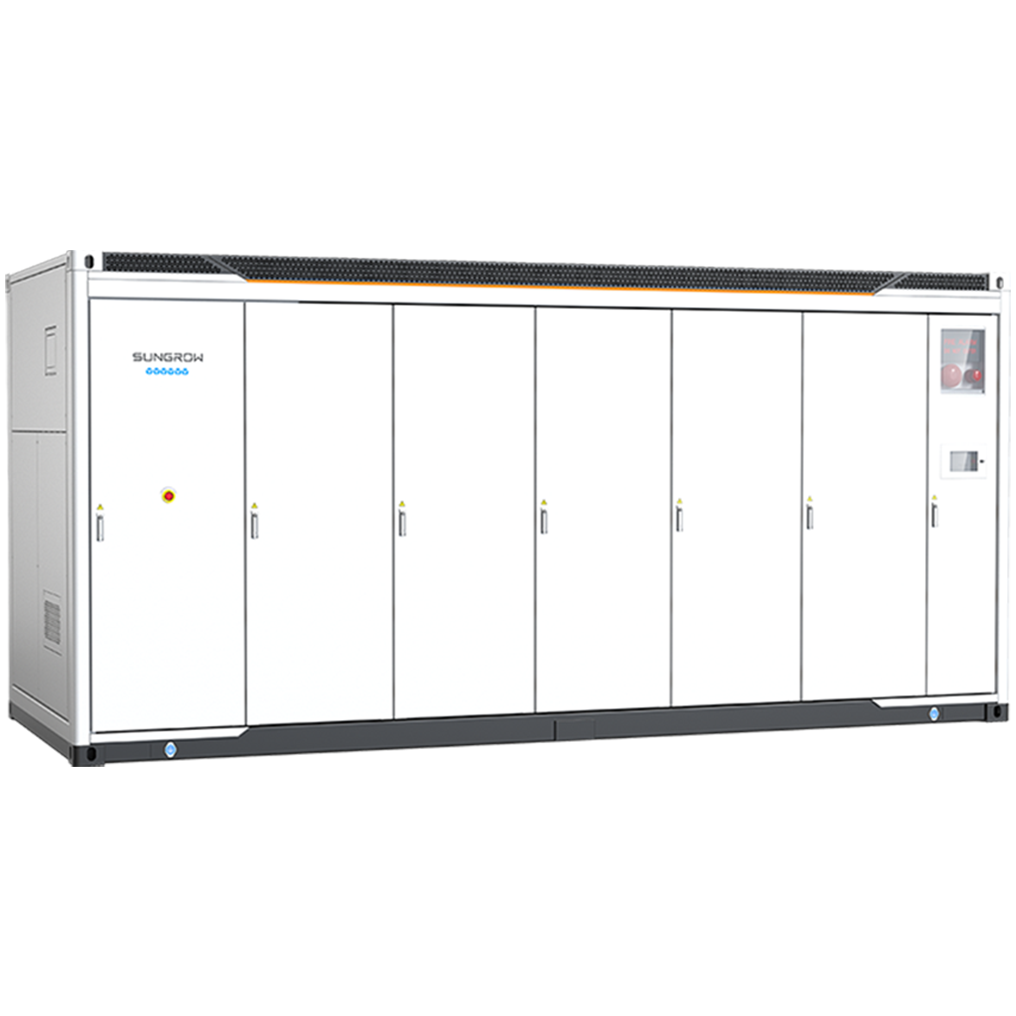
I remember standing under the afternoon sun at a municipal substation in Phoenix, watching technicians wrestle with a 5 MWh lithium-ion BESS we had commissioned in Q3 2019 — that memory still stings. In one month the system delivered proud uptime numbers, then within 14 months it showed a 12% capacity dip; how did a seemingly solid battery storage power station (and the maintenance plan we relied on) fail so fast? Early on I began to catalog the recurring culprits: poor thermal design, inverter mismatches, and naive state-of-charge (SOC) practices. I link this to the bigger picture — read about the [energy storage power station](https://www.sungrowpower.com/en/products/utility-energy-storage-system) deployments I evaluate — because the same patterns repeat across projects (heads-up: it’s not always the cells’ fault).
Main pain points
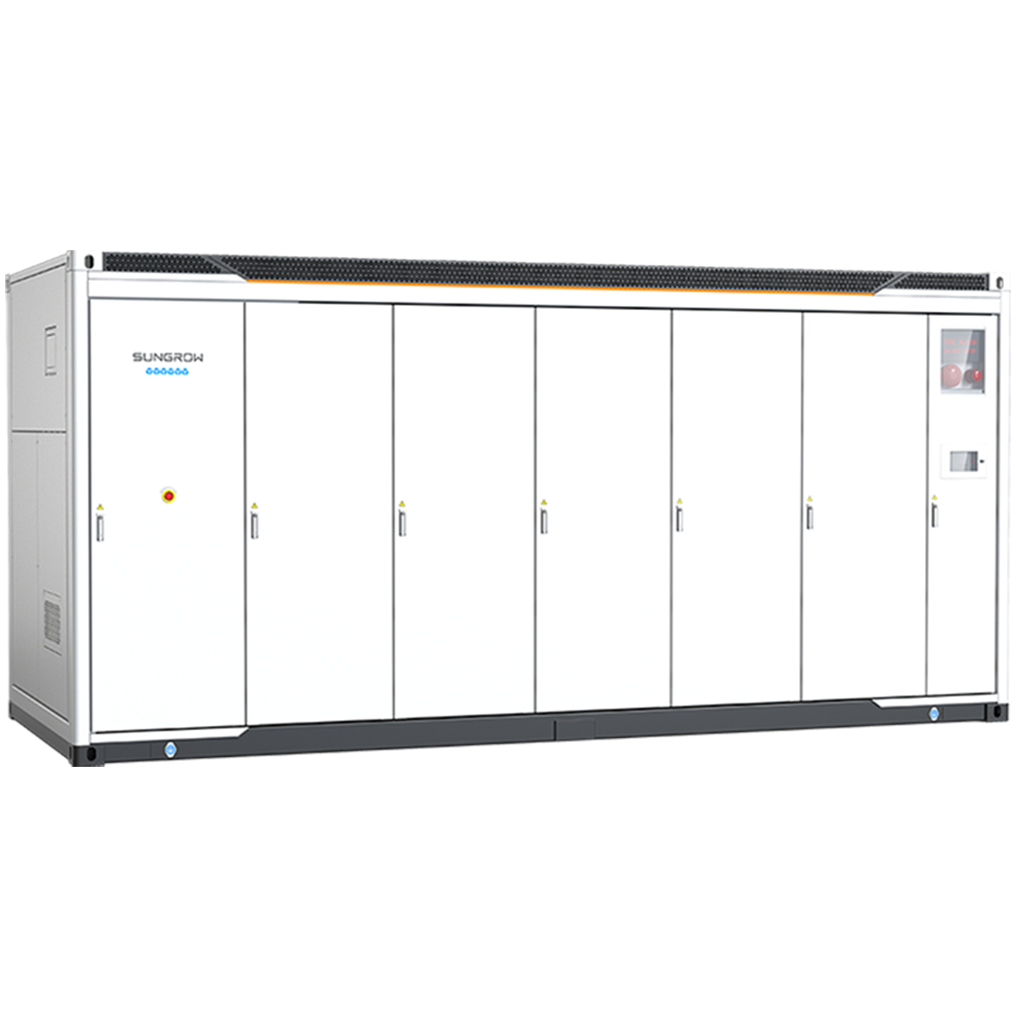
I see three persistent, concrete flaws when clients ask me why promised savings never materialize. First, designers oversize capacity but under-design cooling; cycle life suffers despite a high-rated chemistry. Second, control logic treats the BESS as a single black box, ignoring inverter clipping and grid-service dispatch conflicts. Third, contract terms focus on nominal capacity not usable depth-of-discharge, so operators push SOC windows that accelerate degradation. I firmly believe these are fixable — but only if teams stop treating the system like a single purchase-item and start managing it like an operational asset.

Comparing what’s next — practical upgrades and trade-offs
Technically, the smartest next steps trade one-time CAPEX for lower lifecycle O&M and longer effective service life. I’ve audited sites where adding a modestly more efficient inverter and a targeted thermal retrofit extended useful output by nearly 18% over two years — real numbers from a 2020 audit in Texas. When we compare options, the metrics that matter are not sticker price but cycle life under realistic SOC regimes, inverter efficiency at partial loads, and thermal uniformity across racks. (Small changes — big returns.)
What to prioritize?
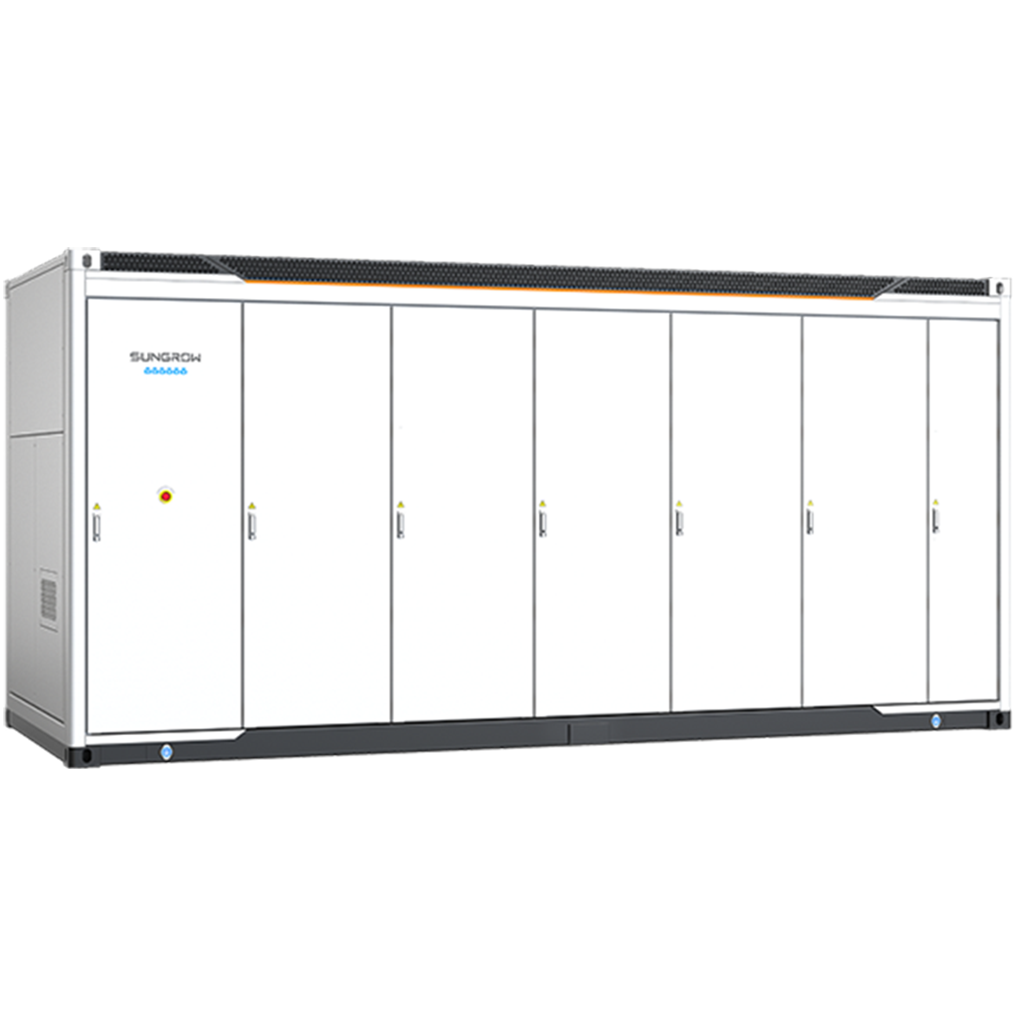
When I advise project managers and wholesale buyers, I push three concrete upgrades: smarter battery management algorithms to limit harmful SOC swings; modular inverter architectures for redundancy and partial-load efficiency; and sensor-backed cooling so hot spots are addressed before cells drift out of balance. I admit — some clients balk at upfront costs. Then they see the difference in warranty claims and realized throughput. For those looking at a new energy storage power station, weigh these trade-offs early; the cheapest install can become the costliest operation.
Actionable evaluation: choosing the right solution
I’ll be blunt — choose on measurable outcomes. Here are three key evaluation metrics I use with procurement teams: 1) Effective throughput (MWh delivered over first 5 years under a specified duty cycle), 2) Degradation rate tied to tested SOC envelopes (percent loss per 1,000 cycles), and 3) System availability accounting for inverter maintenance windows and cooling downtime. These tell you what the asset will actually produce, not just what the datasheet promises. Short pause — think about your own P&L for a second.
In practice, we run a simple field test (two-week partial-load profile) before final acceptance; that one step has caught hidden inverter inefficiencies twice in the last three projects I managed. My takeaway: insist on realistic tests, demand transparent cycle-life data, and budget for targeted thermal and inverter upgrades — those three items separate failures from dependable systems. For concrete supplier conversations, I often point teams toward vendors with clear field references and long-term service commitments — like sungrow.