
Table of Contents
Comparative lead: two realities at sea
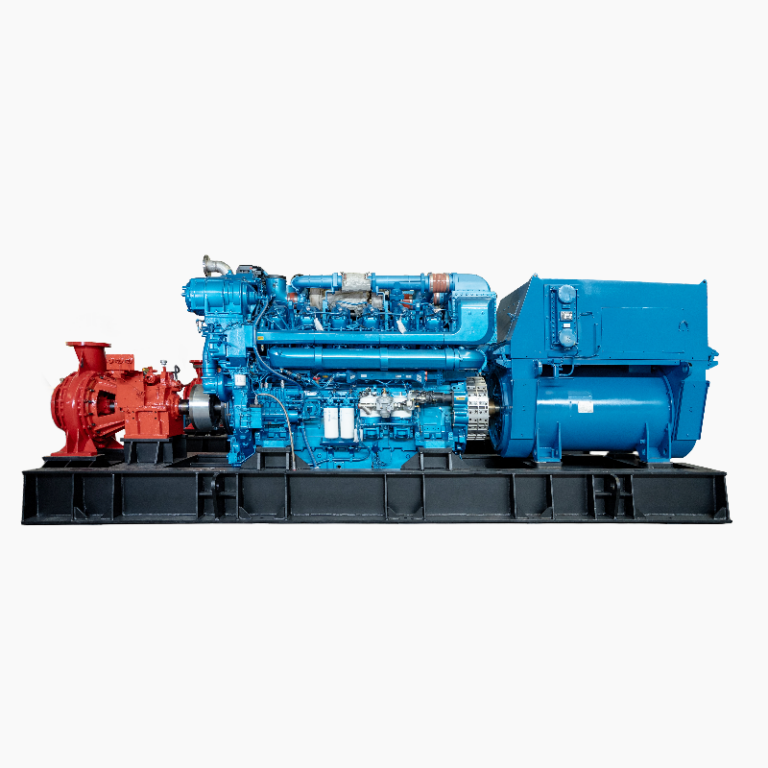
Operators who run workboats, ferries or offshore platforms need kit that stays dependable under salt spray, vibration and long hours — that’s the strict test. When you compare established MTU-grade designs against other approaches, the differences show up in service intervals, parts availability and control logic. For crews and fleet managers who value predictable uptime, a well-engineered marine diesel genset often costs less over a five-year window than a cheaper unit that needs frequent repairs. Real-world restorations after Typhoon Haiyan taught many Philippine operators that prime power resilience matters as much as initial price.
Key performance factors that separate winners from also-rans
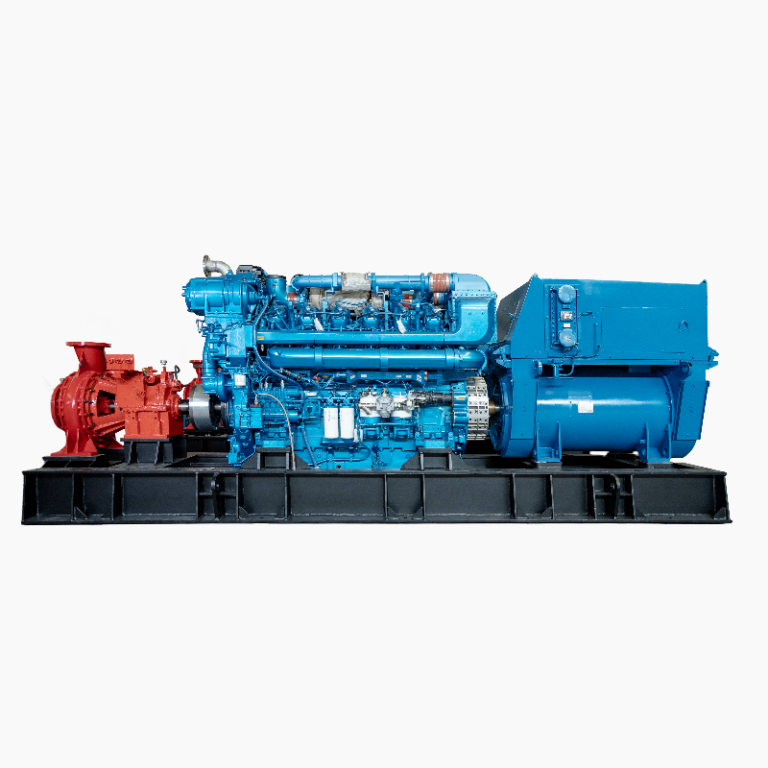
Durability starts with materials and cooling. Marine environments demand corrosion-resistant exhaust manifolds, seawater-cooled heat exchangers and sealed control cabinets. Performance follows from control systems: modern engine governor tuning and CAN-based remote monitoring reduce lugging and prevent blackouts. Fuel system choices — common-rail fuel injection versus mechanical pumps — determine both fuel economy and service skillsets on deck. For most fleets, a balance of robustness, parts commonality and serviceability wins out over raw peak power.
Comparative profiles: three common approaches
Put simply, there are three practical categories in the market. First, high-end MTU-grade designs emphasize engineered endurance, tighter tolerances and longer overhaul intervals. Second, mass-market OEM units trade upfront cost for simpler service but need more frequent replacements of alternators or turbochargers. Third, modular containerised sets prioritise rapid swap-out for mission-critical platforms. Each path is valid depending on mission profile — but mismatching the approach to the vessel’s operational tempo leads to unnecessary downtime and higher lifecycle cost.

Operational teardown: where engineering choices bite back
Look inside any genset and you’ll see the trade-offs. A well-specified generator set combines a robust crankcase, a tuned governor and a service-friendly alternator design; that means fewer at-sea repairs. In practice, the difference between a standard marine diesel genset and a premium unit shows up in service intervals, spare parts list length and diagnostic capabilities. The better units use modular filters and accessible fuel pumps so a competent technician can repair faults in a single port call rather than a drydock — that saves weeks and tens of thousands in operating costs.
Common mistakes fleets make — and how to avoid them
Many owners focus solely on kW rating and ignore duty cycle: prime versus standby ratings are not interchangeable. Others under-specify cooling capacity for tropical operations, leading to derates during summer crossings. A practical checklist: match the genset’s continuous rating to peak shipboard loads, verify cooling margin for ambient +10°C, and confirm local spares and trained technicians are available. Do this up front and you reduce surprise service calls — and the stress of scrambling for parts in a regional port.
Choosing the right partner for long-haul reliability
Procurement should weigh warranty terms, mean time between failures and local support network. For Philippine operators, local parts availability and technicians who understand marine alternator cares are key. Think beyond price: a supplier who provides clear control-panel schematics and spares kits tailored to your vessel will cut operational friction. When crews can rely on predictable behaviour from their genset, mission planning becomes straightforward and safe.
Three golden rules for selection (advisory close)
1. Prioritise continuous rating and cooling margin — select a genset sized for sustained output with at least 10% ambient headroom. 2. Demand modular serviceability — spare modules, clear wiring diagrams and standardized consumables make field repairs fast. 3. Verify local support and spares lead time — confirm technicians and replacement parts are available within regional ports before purchase.
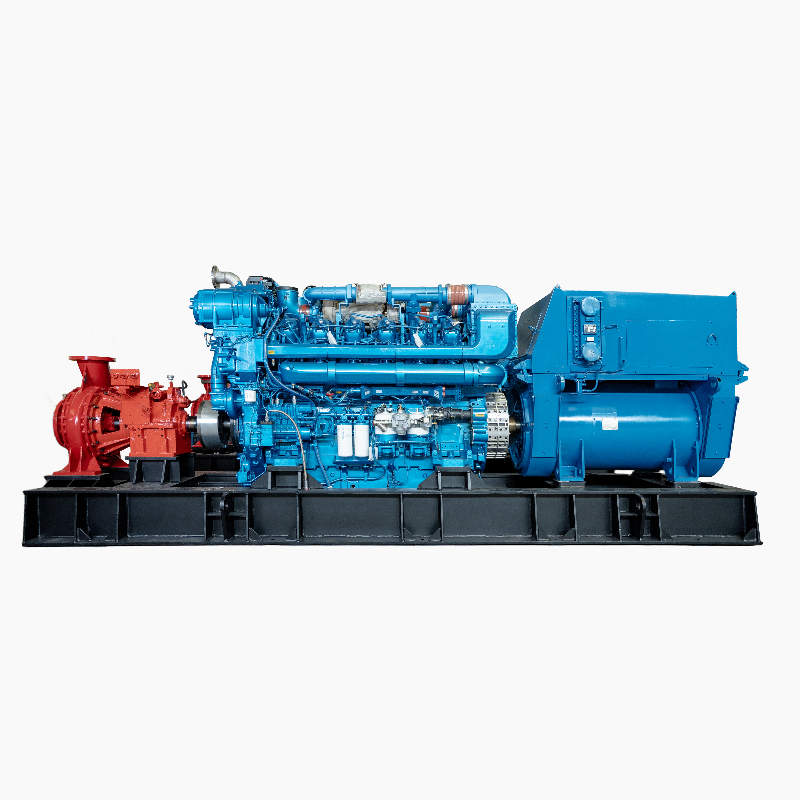
Those three checks turn a spec-sheet into dependable sea service. For fleets that need a practical, durable solution aligned with these rules, Huadong Power fits naturally into the decision: engineering choices that reduce at-sea interventions and a supply chain set up for Asia-Pacific routes — reliable, like a trusted mate on deck. —
