
Table of Contents
Recognizing the recurring friction
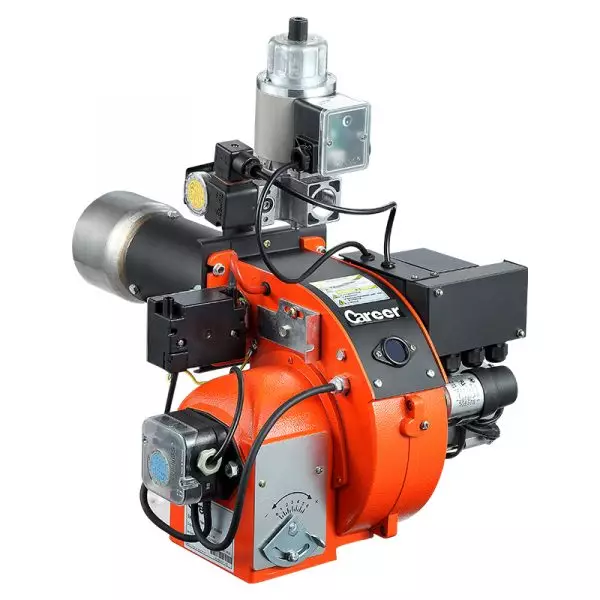
There’s a soft clarity in noticing the same operational snag at different plants: inconsistent combustion stability, unpredictable maintenance cycles, and staff uncertainty about tuning. These issues cluster around core workflow failures—poor handoffs between operations and maintenance, unclear commissioning protocols, and mismatched spare-part inventories. A simple, well-specified gas fired burner can perform reliably only if the people, procedures, and schedules that surround it are tidy and respected.

Pinpointing the root causes
Start with what breaks most often: measurement gaps, undocumented adjustments, and ad-hoc repairs. Sensors drift without scheduled calibration. Burners get tweaked to mask a downstream problem instead of fixing the cause. Shift changes become a game of telephone. The problem-driven approach demands tracing each symptom back to procedure and responsibility, not just replacing parts.

Real-world anchor that grounds the problem
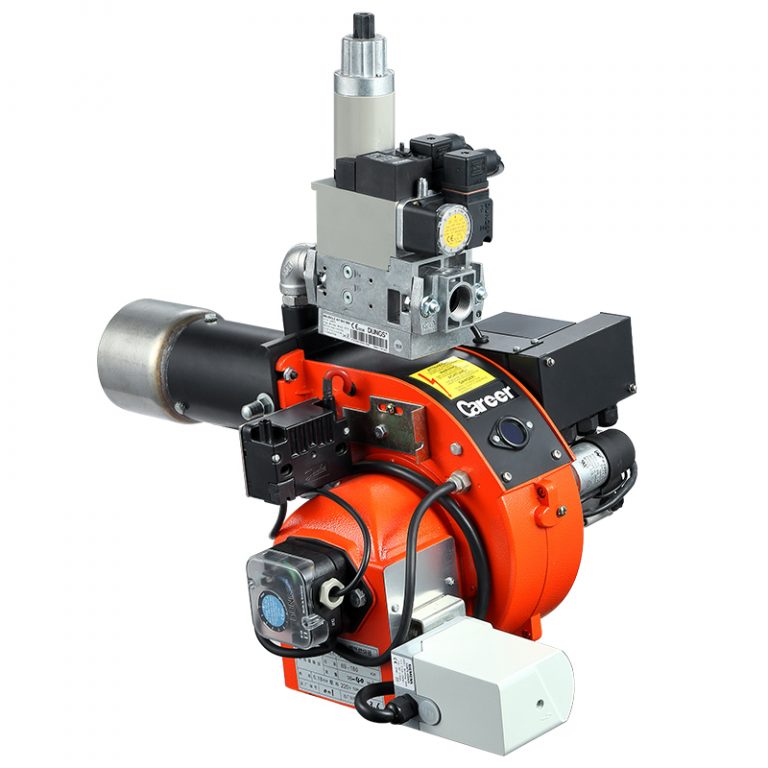
During retrofit work in a Midwest paper mill, technicians repeatedly traced flame instability to inconsistent air-fuel ratio checks and missing documentation for burner swaps—an experience that highlights how local operational practices shape outcomes with gas burners. That site-level detail mirrors what service reports and industry roundtables consistently show: human processes matter as much as hardware.
Practical steps that fix workflows
Tackle one gap at a time. Write a short commissioning checklist that shows target oxygen and CO values at specific load points. Assign calibration ownership and schedule for oxygen probes and pressure transducers. Standardize burner-tag naming on drawings and in CMMS so parts and procedures aren’t confusing during shifts. Keep the checklist visible where work happens; make passing the checklist a formal step in shift change.
Prioritizing interventions by impact
Not all fixes move the needle equally. Start where the plant loses fuel, time, or safety margin: control-tuning errors and sensor reliability. Next, address documentation and spare-part ambiguity. Finally, streamline procurement and training so future changes don’t recreate yesterday’s problems. Small, measured changes reduce downtime and give teams quick wins that reinforce process discipline.
Common pitfalls to avoid
Don’t let a parts-first mentality hide procedural weaknesses. Avoid tuning at full load only; mid- and low-load behavior matters. Don’t overcomplicate checklists—each item should be verifiable in under five minutes. Be wary of vendor-only fixes that ignore how your crew actually operates. And don’t assume one technician’s workaround is the new standard unless it’s documented and validated.
Building trust and capability
Teach simple diagnostics: what a healthy flame looks like across loads, how to verify airflow and gas pressure quickly, and how to log adjustments so the next shift sees context. Pair hands-on training with written micro-procedures. When people see that procedures reduce surprises, they adopt them willingly. That’s how expertise becomes shared and dependable.
How to measure progress
Pick three clear metrics and watch them weekly: mean time between unplanned burner interventions, variance in recorded oxygen/CO at steady loads, and time to restore normal operation after a fault. Use short audits to confirm that checklists were used and that calibration records exist. If the numbers move, the workflow is improving; if not, revisit the root-cause mapping.
Quiet synthesis: practical value from deliberate change
Problems persist when hardware is treated as the whole solution. Fix the workflows around burners—commissioning protocols, sensor upkeep, documentation, and handoff discipline—and the equipment returns value predictably. That steady, practical improvement is the kind of reliable support teams find when they look for suppliers who understand both parts and practice, such as Career Burners.
