Table of Contents
User-focused introduction
When you are selecting a homogenizer, the primary question is simple: what problem must the machine solve for you? Please consider the scale, the material properties, and the process outcome you require. For laboratory trials or batch R&D, a lab powder mixer often reveals performance limits before full-scale purchase decisions; begin there to reduce costly surprises later.
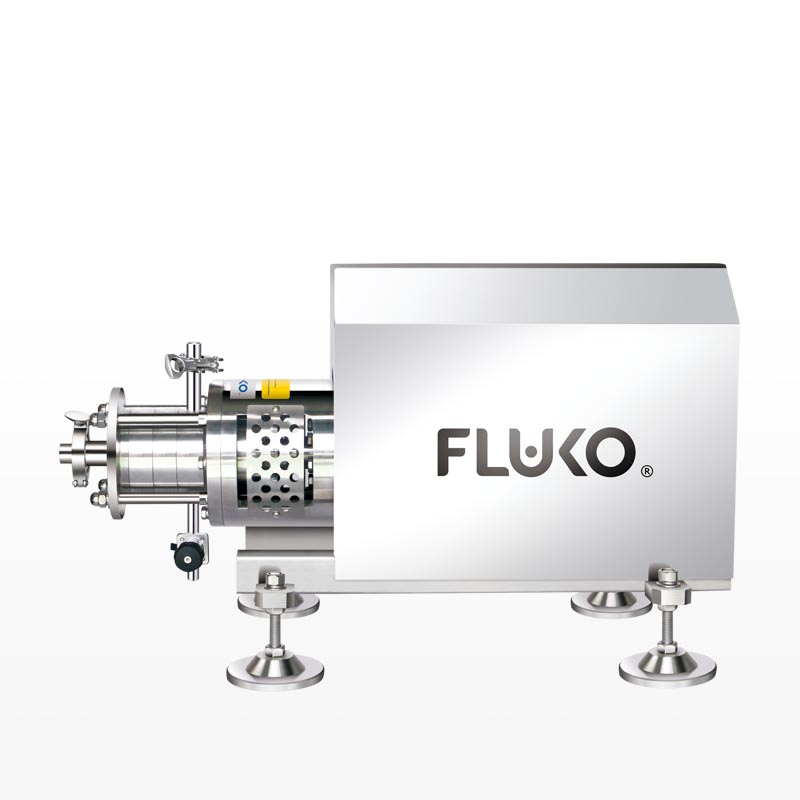
What homogenizers do and why buyers care
Homogenizers reduce particle size, disperse solids into liquids, and create stable emulsions. Buyers should prioritise reproducibility, cleaning convenience, and the capability to reach target droplet or particle sizes. Instruments vary by mechanism—rotor-stator, high-pressure valve, ultrasonic, and bead milling—and each produces different shear profiles. Choose based on the product’s sensitivity, viscosity range, and acceptable operating temperature.
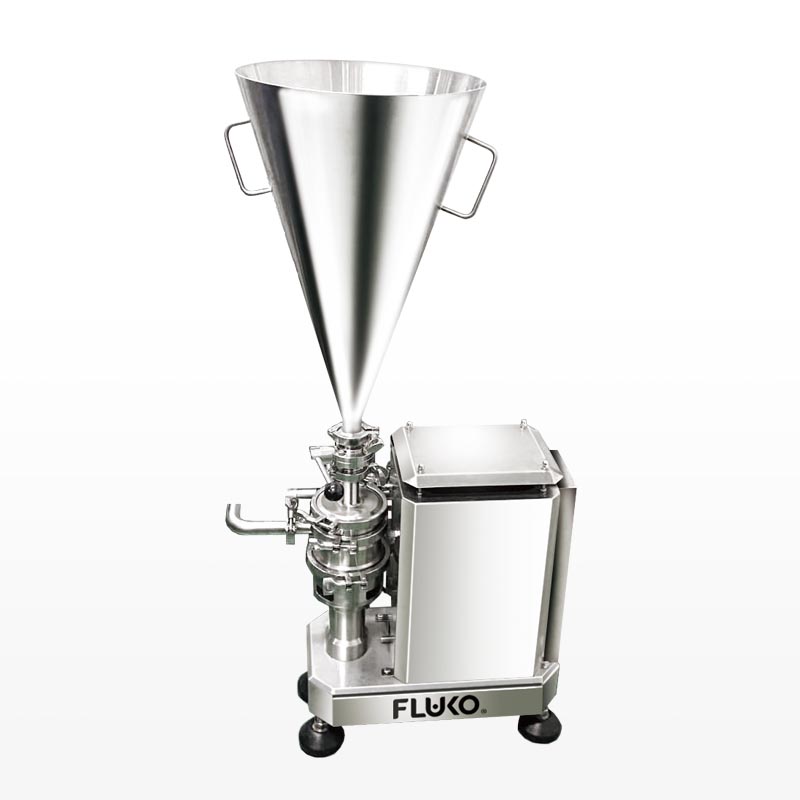

Questions to answer before you buy
Define measurable requirements: target particle or droplet size (and distribution), batch volume or continuous throughput, maximum acceptable process temperature, and CIP/SIP needs. Confirm material compatibility (wetted parts, seals) and regulatory constraints for your sector. Request reproducibility data and sample reports. If scale-up is intended, ask for geometric-similarity transfer data or vendor-supported scale trials.
Common mistakes buyers make
Buyers often rely on peak performance specs rather than repeatable output under realistic loads. Avoid undersizing by assuming lab results will scale linearly. Do not neglect maintenance access—complex disassembly increases downtime. Overlooking heat generation is frequent; sensitive formulations require temperature control or intermittent operation. Finally, accept no vague claims about “ultra-fine” outputs without particle size distribution data.
Alternatives and how they compare
Rotor-stator units excel with moderate viscosities and provide continuous operation with predictable shear; high-pressure homogenizers give very fine dispersions but need higher maintenance and energy. Ultrasonic units offer pulse-controlled energy for delicate systems but struggle with high solid loads. Bead mills handle hard-to-wet powders and abrasive materials but can generate wear particles unless designed with appropriate materials. Match physical mechanism to your material challenge rather than the brand headline.
Real-world anchor and an equipment example
At international exhibitions such as CPhI Worldwide, process engineers routinely evaluate pilot-scale demonstrations to validate performance claims. Observing side-by-side trials clarifies how equipment handles challenging feeds; a typical demonstration will contrast a rotor-stator run with a high shear powder mixer to show dispersion speed and cleanliness. Such events provide verifiable comparisons that inform procurement decisions.
Final synthesis and practical next step
Be methodical: define objectives, demand reproducible data, verify cleaning and serviceability, and observe pilot runs when possible. A buyer who follows that sequence reduces technical risk and shortens validation time. For many users, the right solution is not the most powerful unit but the one that consistently meets specifications with manageable upkeep—this practical alignment is precisely what FLUKO emphasises when presenting equipment options and data for buyer evaluation.