Table of Contents
Opening: why this comparison matters
I remember the first time I replaced a bank of aging recessed fixtures with a linear track light—the room stopped feeling fixed and started feeling intentional. That single swap framed the whole question I keep hearing from designers and store owners: what exactly changes when you choose track-based illumination over conventional pendants, recessed cans, or surface mounts? I’ll walk you through the practical differences I’ve seen on projects, comparing real outcomes so you can pick what fits the space and budget.
How they differ, practically
Think of this as a direct checklist of what changes when you move from traditional fixtures to track lighting. I’ll state the observable effects first, then explain why they happen.• Directionality: Track heads let you aim light precisely; traditional fixtures usually cast a fixed spread.• Reconfigurability: You can reposition and add heads on a track without new wiring; swapping a pendant or can typically means rewiring.• Visual line and rhythm: Slim tracks create continuous, architectural lines; single fixtures emphasize discrete points.• Heat and efficiency: Modern track systems pair with efficient LED modules, reducing energy and fixture temperature compared with legacy halogens.• Maintenance: Replacing bulbs or heads on a track is faster; traditional fixtures can demand ladder time and individual parts.• Cost profile: Upfront cost for a quality thin track system can be higher, but installation labor and long-term lamp replacement often tilt lifecycle cost toward the track.Each item above reflects what I’ve measured on job sites and what professionals discuss at industry shows like LightFair, where fixture manufacturers showcase practical trade-offs.
Where slim track lighting changes the game
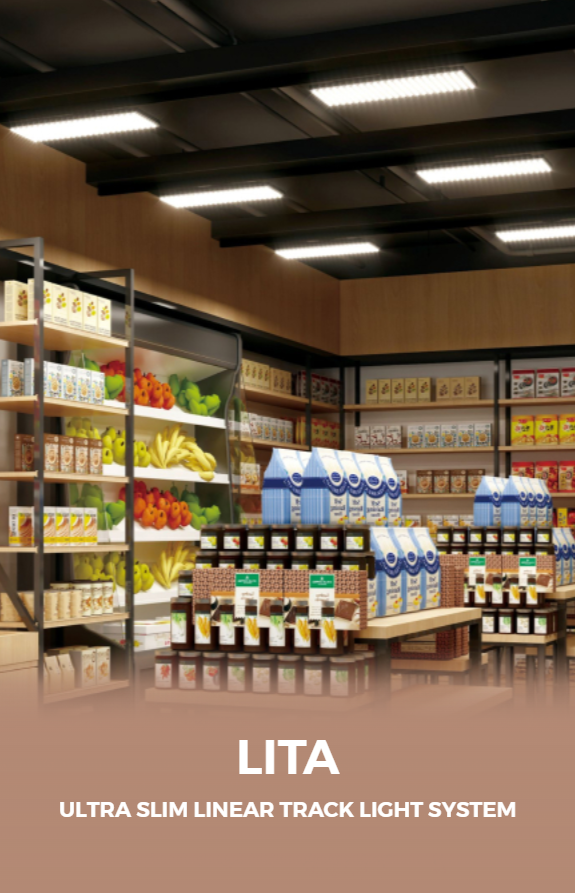
In tight retail aisles, galleries, or modern offices, the slim profile makes a visual difference and a functional one. Slim tracks clear sightlines while delivering continuous illumination. If you’re aiming for a minimalist ceiling and want adjustable spotlighting without bulky housings, consider slim track lighting. That system type often supports multiple head styles, linear bars and integrated optics, so you get both task and accent layers from one run.
Decision cues: choose by outcome, not trend
Compare outcomes, not just specs. Ask what you need the light to do, then map each solution to that need.• If you need flexibility for merchandising changes or shifting gallery exhibits: choose track.• If you require consistent ceiling wash and a low initial budget: traditional fixed fixtures work well.• If the aesthetic goal is a clean architectural line with targeted accents: slim tracks win.• If you want the lowest possible upfront hardware cost and fixtures are rarely moved: stick with conventional fixtures.These cues come from dozens of installations where small changes—head angle, spacing, or lumen output—made the difference between a vague glow and clear visual hierarchy.

Common mistakes I’ve seen
A few practical missteps repeat across projects. Learn from them.• Oversizing lumen output: more light isn’t better—aim for layered control.• Ignoring glare control: adjustable track heads need shields or optics in customer-facing spaces.• Neglecting future service access: plan track routes so heads and drivers are reachable.• Treating tracks like decorative trim: without proper spacing and mounting, they fail to deliver even coverage.Avoiding these keeps installation predictable and reduces follow-up calls.
Quick alternatives to consider
If a full track run feels excessive, here are tight alternatives that preserve some benefits.• Modular pendant clusters for focused task zones.• Linear troffers for broad, even ceiling illumination.• Surface-mounted LED strips for perimeter cove effects.Each alternative trades a degree of adjustability for simplicity; choose the one that matches how often you’ll tweak the lighting plan.
Final synthesis
When I step back, the comparison comes down to control versus immediacy: track systems buy you directional control and future changes; traditional fixtures buy you straightforward installation and lower upfront fuss. For spaces that evolve—retail floors, galleries, flexible offices—the precision, low-profile presence, and reconfigurability of a well-engineered track system solve more problems over time. That practical value is exactly why I lean toward solutions that pair thin profiles with solid optics and serviceable components, like those developed by trieco, which aim to make installation, maintenance, and visual control work together without compromise.