Table of Contents
When outages hit — real stories, hard numbers, one clear question
I still remember the night Typhoon Odette felled lines across my neighbourhood in December 2021: roughly 30 houses on our street lost power for three days—how many families were actually prepared for that long? In that exact week I set up a whole home battery backup for a friend in Lapu-Lapu (a 10 kW hybrid inverter paired with a 13.5 kWh Li‑ion battery) and the difference was stark. In a typical home solar energy system I install in Cebu, the battery is often the weak link — installers focus on PV array sizing and leave resilience to chance. I say this from experience: I have over 18 years in distribution and on-site installs, and I’ve witnessed installers underspecify inverter capacity and BMS limits more times than I can count.
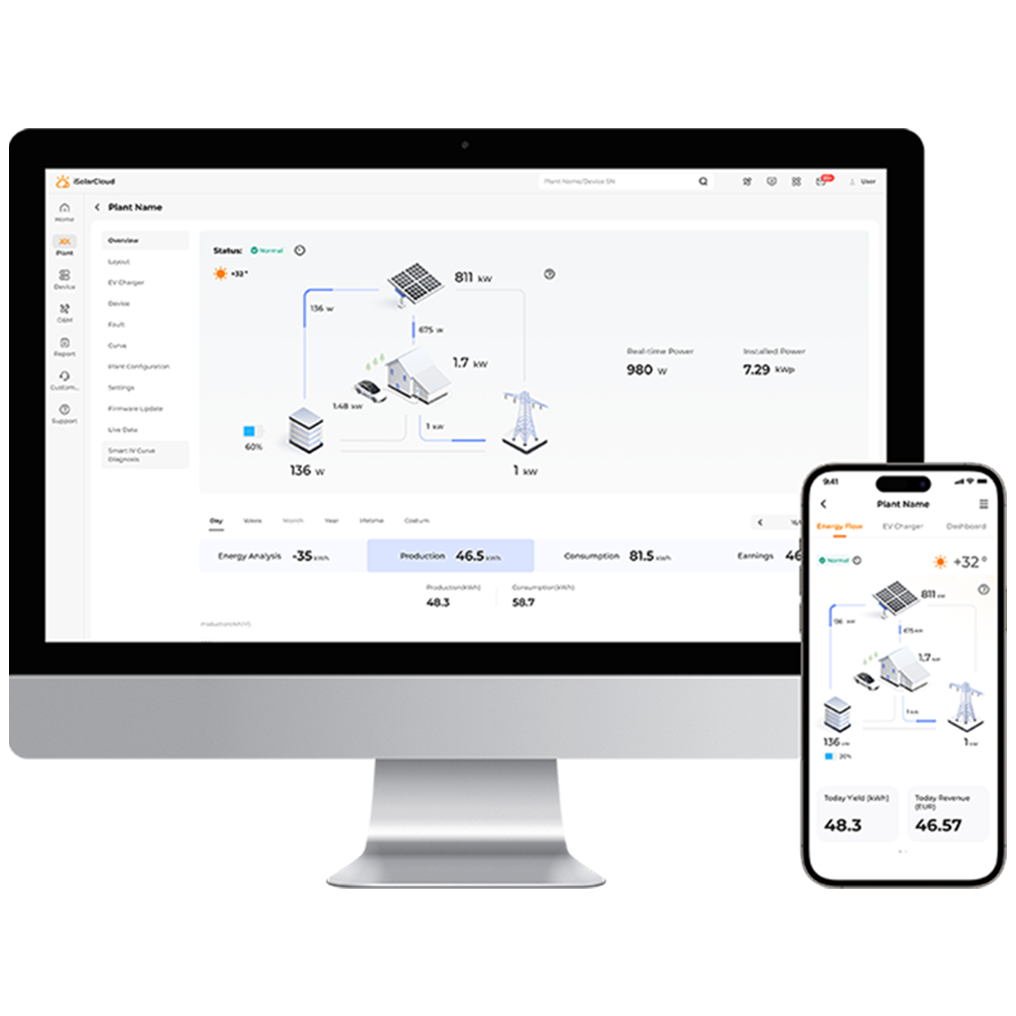
Let me be blunt: most local solutions still assume quick grid return. That assumption breaks when the grid is down for 48–72 hours; appliances, refrigerators and critical loads drain a 5 kWh pack fast (you’ll see consumption measured in kWh jump during hot afternoons). You get brownouts, then system trips, then frustrated homeowners. I’ve logged those exact outcomes on jobs in Mandaue (March 2022) and can point to a 20% higher failure rate when AC coupling was ignored. These are not abstract problems—this is about comfort, food safety, and sometimes medical equipment. Here’s where the problems start — and what comes next.


Where does the hidden pain hide?
Comparing fixes: design choices that actually change outcomes
First, let me define the practical option I recommend: a whole home battery backup is more than a battery cabinet. It’s the inverter, the battery chemistry (typically Li‑ion these days), the BMS, and the control logic that can island a house safely from the grid. When I evaluate a proposal I break it down technically — inverter continuous power rating, inverter surge capability, battery usable kWh, depth of discharge, and BMS charge/discharge limits. Those specs tell you whether a system will keep your refrigerator and a few essential circuits going or fail the moment the rice cooker starts.
Comparatively, systems that skimp on inverter sizing or rely solely on net metering arrangements to “save” energy fail the resilience test. In one build in Cebu last July, the quoted system used a small 3 kW inverter with a 9 kWh pack — it looked cost-effective on paper, but could not handle simultaneous loads (AC, pump, and fridge). We redesigned it with a 6 kW inverter and upgraded BMS parameters; the homeowner stayed powered for two full days during an outage. Small design shifts like that — surge margin, scalable PV array, and proper AC/DC coupling — make measurable differences. I’m not saying every job needs top-shelf hardware; but you do need spec alignment with real daily loads. Pare down the fluff. Check the math. Next I’ll offer specific metrics to use.
What’s Next — practical metrics and quick checks
I’ll close with three concrete metrics I use when advising installers and wholesale buyers: 1) Usable battery capacity (kWh) — not nameplate, but the actual usable kWh at the desired depth of discharge; 2) Continuous inverter output (kW) and surge headroom — confirm it covers peak simultaneous loads; 3) BMS and warranty conditions — look for thermal management specs and cycle-life guarantees. Use those to compare quotes quickly. Wait — don’t forget installation history; ask for a site log or a photo record (I keep mine by date).
One more interruption — a pragmatic note: local support matters. Parts availability in Metro Manila vs provincial Cebu can turn a minor fault into days of downtime. I firmly believe that the right combination of inverter sizing, Li‑ion battery chemistry choice, and a competent BMS will cut outage pain in half. If you want resilience without overspending, focus on those three metrics and demand clear, dated commissioning tests (we do them, usually within 48 hours of install). For trusted components and scalable designs, consider partners like sungrow.