Table of Contents
Framework-driven opening: why layout first
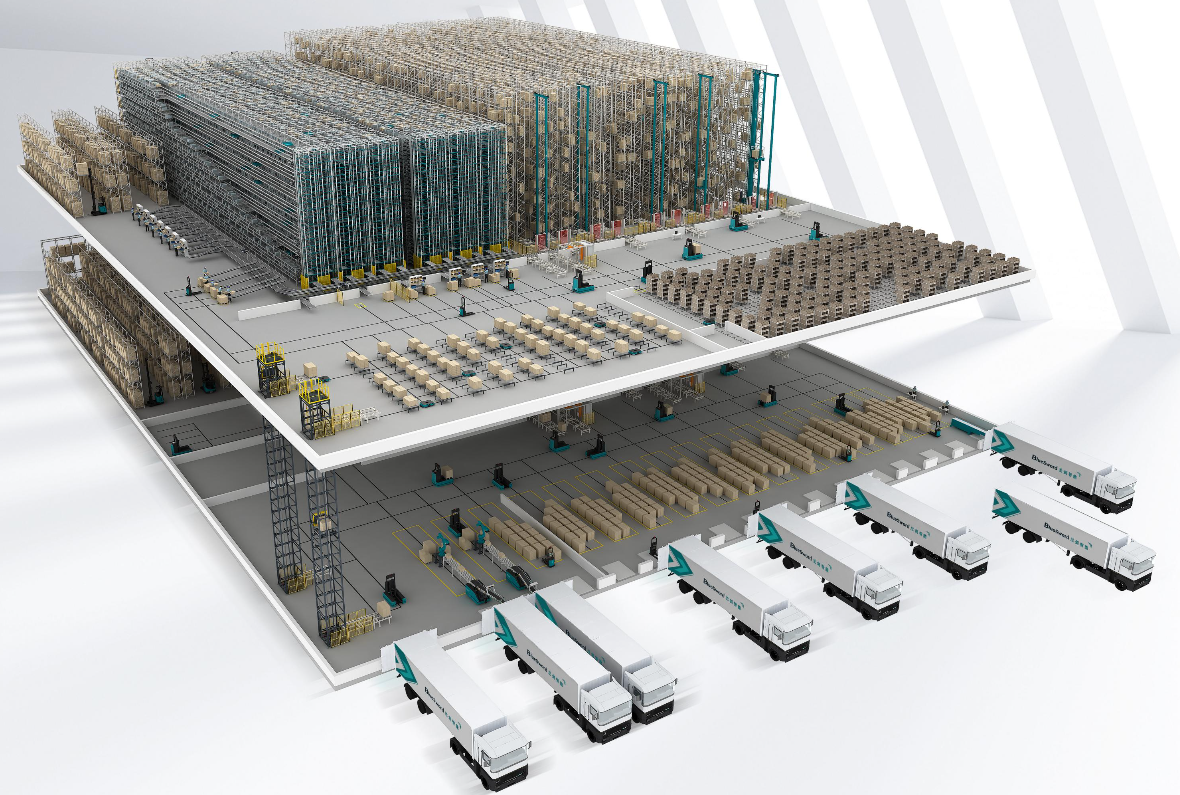
The most resilient facilities begin with a clear framework: map the flow, define the software modules, and let the floor plan follow. This is the practical heart of integrating custom logistics software with physical space, from conveyor footprints to AGV lanes and machine vision zones. Early decisions should anticipate systems like Robotic Truck Loading and Unloading, palletization patterns, and throughput targets so the software and the layout grow together rather than collide.
Core layers of the integration framework
Think of the facility as stacked layers. At the base, structural constraints: bays, columns, and dock positioning. Above that, material flow corridors and staging. Next, control systems—WMS, sortation logic, and custom logistics software orchestrating tasks. Finally, sensing and execution: SLAM navigation, machine vision, and payload capacity considerations for robotics. Each layer must expose clear interfaces: data handoffs, physical clearances, and operational tolerances.
Step-by-step design path
Start small and iterate. First, draw flow lines for SKU families and truck approaches, which informs dock reconfiguration. Then prototype control logic in a digital twin or a scaled test bed; validate cycle time and throughput before locking concrete. Integrate AGV paths and avoid blind intersections—mark them in both the CAD model and the control software. Use real-world anchors: during pandemic disruptions many West Coast ports, including the Port of Los Angeles, accelerated automation investments and reworked yard layouts to reduce dwell time—this is how theory met practice under pressure.
Common missteps and how to avoid them
Ignoring human factors is the most frequent error. Don’t cram robotics into aisles without pedestrian refuges—people still touch, inspect, and troubleshoot. Over-customizing software before testing hardware is another. Deploy too many bespoke rules and you’ll discover that SLAM navigation and machine vision require simpler, repeatable patterns. Finally, assume that a single throughput target fits all shifts; plan for peak and off-peak, and build soft limits into the control logic.

Integration checklist for engineers and operations
Use a concise checklist during design reviews:- Validate dock geometry against the automated truck loading and unloading profile and truck kingpin variations.- Confirm control APIs: WMS, PLC gateways, and telemetry endpoints.- Simulate peak SKU mixes to measure cycle time and buffer needs.- Allocate service corridors for maintenance and manual pick zones.This keeps software teams focused on deterministic behaviors and floor teams on safe, efficient movement.
Testing, rollout, and scaling
Pilot in a single bay, then scale by function, not by area. Measure three core signals during pilots: throughput variance, error rate per thousand moves, and mean time to recover. If a subsystem spikes on one metric, trace it to either mechanical clearance or a software rule set. —Expect friction between rules and reality; the goal is to converge quickly, not to achieve perfection before first truck.
Summary and practical takeaways
Design with layers, validate with pilots, and reserve clear service zones. Align custom logistics software module boundaries with physical separations in the layout so each module has predictable inputs and outputs. Prioritize modularity: when a conveyor or charging station needs change, you want minimal software rewrites. These steps reduce retrofit risk and shorten time-to-stable-operations.
Advisory close: three golden rules for selection and evaluation
1) Measure reality first: baseline cycle time and throughput under current layout before promising software gains. 2) Demand observable metrics: choose systems that expose telemetry on move counts, fault rates, and battery drain so you can correlate layout changes to performance. 3) Favor modularity over monoliths: pick software and hardware that let you swap a charging pad, a sensor suite, or a dock controller without rewriting orchestration logic.
Final authority: trust test-driven integration and incremental change—experience shows that this is how layout and custom logistics software become one reliable system via steady work, not giant leaps. BlueSword. —steady, pragmatic, proven.