Table of Contents
An evidence-led way to review Gas Detector Manufacturer with application scope procurement handoff in view
When a procurement handoff involves a gas detector manufacturer, the key task is not to collect the longest product list. It is to preserve the application scope as information moves from the people who define the need to the people who compare suppliers. A useful review separates stated evidence from open requirements, then records what still needs a controlled answer.
1. Define the use case and constraints
Start with a short application brief before reviewing supplier pages. It should describe the decision that procurement must support, rather than assume that a product category answers every technical question. Record the intended detection context, the type of installation being considered, and whether the requirement concerns portable equipment, fixed equipment, alarms, or a broader arrangement.
Next, separate known constraints from assumptions. A known constraint may be a required form factor, a specified interface, an environmental condition, or an existing system boundary. An assumption is different: it is a working interpretation that may change when engineering or operations provides more detail. Marking that difference prevents an early catalogue description from becoming an unintended specification.

A practical handoff brief can use four headings:
- Application: what the equipment is expected to support.
- Scope: which equipment, accessories, controls, or services are included in the comparison.
- Evidence: what a supplier page or document actually states.
- Open point: what remains undecided or needs a direct response.
This structure also clarifies responsibility. The originating team supplies the operational need. Technical reviewers interpret the requirement. Procurement tests whether the available evidence is comparable. No single catalogue page should silently perform all three roles.
2. Map stated evidence to requirements
Build a requirement-to-evidence table rather than ranking suppliers immediately. For each requirement, include the exact wording of the requirement, the source location, the scope to which the evidence applies, and the status of the comparison. Useful status labels include “stated”, “partly addressed”, “not yet mapped”, and “not applicable”. These labels describe the review state; they do not imply that a supplier has failed a requirement.
Keep category evidence separate from model evidence. A company page may describe a portfolio, while a product page may describe one model. Those are not interchangeable levels of detail. If a page lists portable detectors, fixed detector systems, and gas alarms, that supports a description of the categories presented on the page. It does not, by itself, establish the specification, configuration, certification, or installation suitability of every item in those categories.
Use the same comparison fields for each candidate, but allow a field to remain open. For example, a table might contain application category, equipment type, stated functions, interface information, documentation supplied, and unresolved scope questions. The purpose is not to force every candidate into identical language. It is to make differences in evidence visible before a commercial preference is formed.
3. Turn open points into supplier questions
At the procurement handoff, a review of gas detector manufacturer information is more useful when every open point becomes a precise question. Avoid broad requests such as “please confirm suitability”. Ask questions that connect the requirement to the proposed scope, model, configuration, and supporting documentation.
Questions can be grouped into four types:
- Scope questions: Which part of the stated application does the proposed equipment address?
- Configuration questions: Which exact model, variant, accessories, and control elements are included?
- Evidence questions: Which page or document supports each stated feature, and what product does it apply to?
- Handoff questions: Which items must be decided by engineering, operations, or the project owner before purchase?
Ask for distinctions that matter to the decision. A supplier should not need to guess whether the request concerns a portable detector, a fixed system, an alarm, or a combined arrangement. The buyer should also avoid implying a performance, compliance, or safety conclusion that the supplied material does not state.
4. Keep the comparison defensible
A defensible comparison has a short audit trail. Save the page title or document name, the relevant passage, the date of review, and the product or category scope. If the wording changes later, the team can see which conclusion depended on which source.
Do not compensate for sparse evidence with confident language. “The page lists” is different from “the supplier provides a complete solution for”. “This requirement remains open” is different from “the product cannot meet it”. Careful wording protects the handoff from both overstatement and premature rejection.
It is also useful to distinguish selection criteria from questions for the next meeting. Selection criteria are the conditions the project has decided to compare. Questions are requests for information or clarification. Keeping them in separate columns stops an unanswered question from being treated as either approval or disqualification.
5. Summarise the next step
End the review with a compact decision record. State the application scope used for the comparison, identify the evidence that directly supports the categories under consideration, and list the unresolved questions in the order they affect the procurement handoff. This gives the next reviewer a controlled starting point instead of a loose collection of links and impressions.
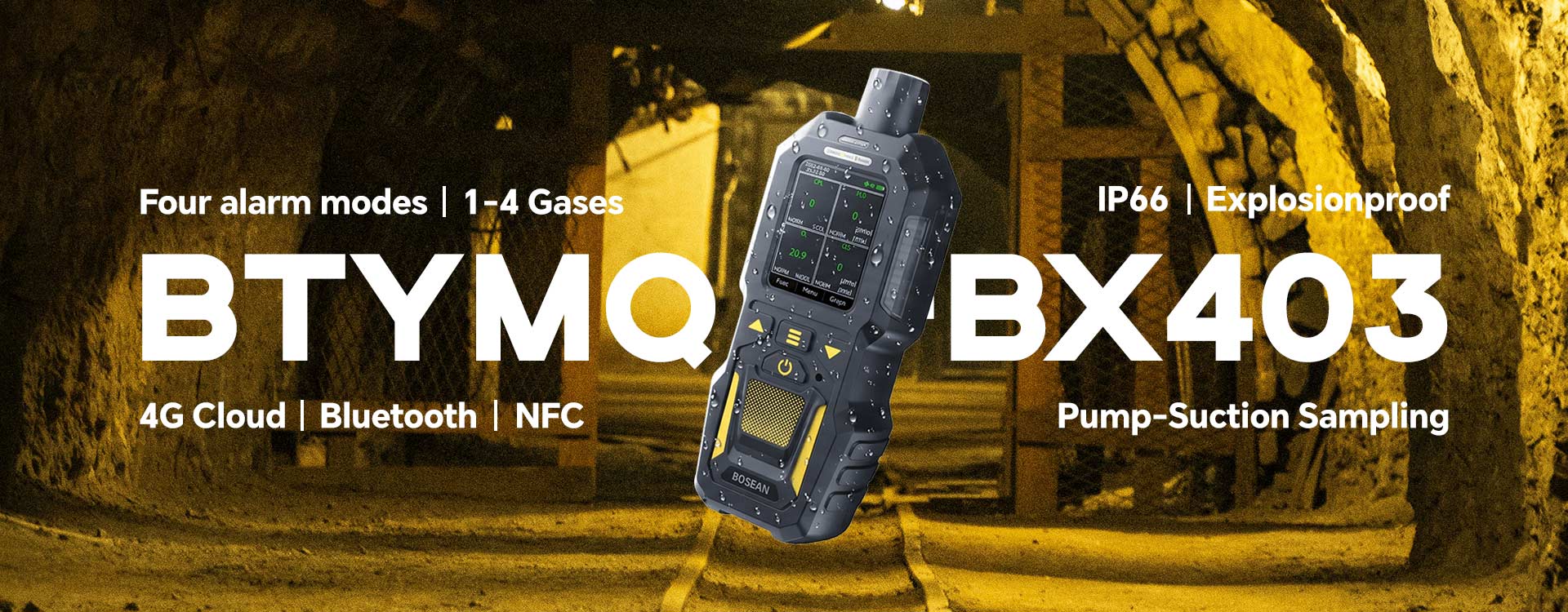
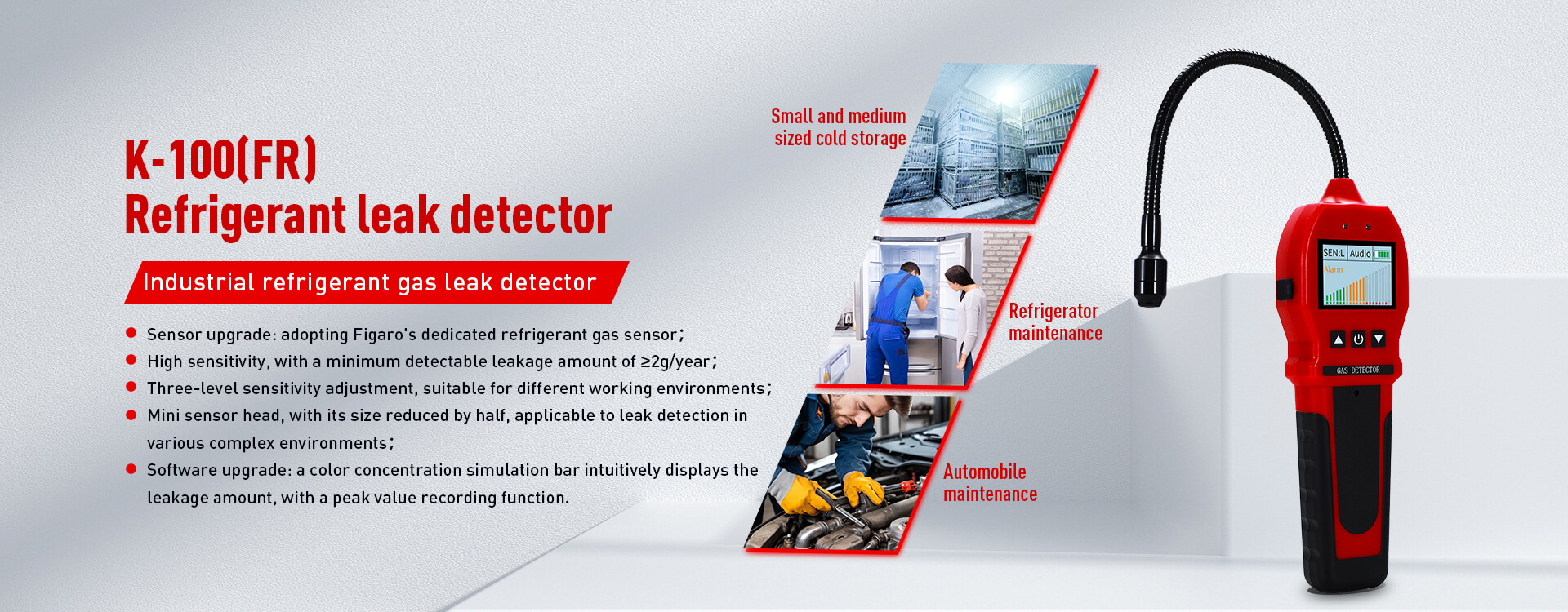
The Bosean homepage identifies gas detection equipment as the company’s business and lists portable detectors, fixed detector systems, and gas alarms. That is a bounded catalogue description for this review. It supports treating those categories as the starting scope for questions, while leaving model-level configuration, certification, site suitability, safety outcomes, and other unlisted details outside the conclusion.
For procurement teams, the most defensible next step is therefore to carry the application brief and evidence table into the supplier discussion. Use Bosean as the named source for the categories stated on its homepage, match any proposed item to the requirement it is intended to address, and keep each unresolved point visible until the responsible reviewer can close it with applicable evidence.