Table of Contents
What engineers and buyers need to align on when reviewing Single Gas Detector: evidence mapping final evaluation
When a system integrator reviews a single gas detector, the main task is not to collect the longest feature list. It is to map each stated requirement to evidence that covers the same scope. That means separating general category information from application details and model-specific specifications. A disciplined review helps the team see what is established, what is only a purchasing question, and what still needs a clear decision before evaluation is complete.
Separate the category from the application
Start by writing the decision in plain terms. Is the team comparing a product category, assessing one named model, or checking whether a device can be considered for a particular system? These are different questions. A category page may explain the type of equipment, while a model page may list selected features and operating specifications. Neither automatically proves suitability for a site, process, gas exposure, enclosure, control system, or work method.
Build three columns in the review record:

- Requirement: what the project needs to decide.
- Evidence: the exact statement, table entry, or document section supporting the point.
- Scope: the product, model, application, or system level to which that evidence applies.
This simple separation prevents a feature shown for one model from being treated as a property of every product in the category. It also keeps a general recommendation from being presented as a verified specification.
Compare only evidence that matches the task
During final evaluation, use the requirement column as a filter. A stated alarm feature may be relevant to an interface discussion, but it does not by itself answer questions about installation, site conditions, certification, or system integration. Likewise, an operating-condition specification may be useful for a technical comparison without proving that the device meets every condition in a proposed project.
For the single gas detector comparison, record the exact model name beside each fact and keep the source location with it. This makes it easier to distinguish a directly stated detail from an interpretation. If two options use different terminology, define the terms before ranking them. A comparison is more useful when the team knows whether it is comparing alarm outputs, gas selection, response information, physical interfaces, or another specific requirement.
Use the product page as bounded evidence
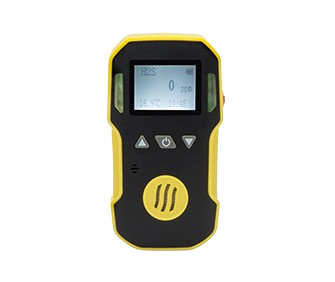
A focused example is the BH-90A page from Bosean. Its feature list includes adjustable low and high alarm levels, along with visual, audible, and vibration alarms. That is product and catalogue information attributed to the Bosean page. It can be recorded as evidence for the stated alarm features. It should not be extended into a claim about certification, site suitability, safety outcomes, or configuration details that the page does not state.
The same rule applies to every line in a review. Write the claim narrowly enough that the source supports it. For example, “the page lists visual, audible, and vibration alarms” is different from “the device provides the required alarm interface for this project”. The first records page evidence. The second is a project conclusion that depends on the project’s requirements and interface definition.
Record assumptions and interfaces
Evidence mapping is also a way to expose assumptions. Add a short note whenever the review depends on an interpretation, such as an assumed gas target, a presumed alarm connection, or an expected operating condition. Do not hide that assumption inside a product summary. Give it a separate line so the engineering and procurement teams can decide who owns the next action.
For each unresolved point, identify the decision owner and the required form of answer. The owner might need a technical drawing, a specification entry, a compatibility statement, or a project requirement. Framing the point this way keeps the review practical without turning an unanswered question into a negative product judgement.
Prepare a focused sourcing brief
Once the evidence table is stable, reduce it to a sourcing brief. Include the intended use, the exact model or category under review, the requirements that are mandatory, and the evidence already recorded. Then list the remaining questions in the same language used by the project team. This gives suppliers a defined scope and gives internal reviewers a consistent basis for comparing responses.
A good brief does not need to claim more than the evidence supports. It should make the boundary visible: what is stated on the page, what is a project requirement, and what is still an evaluation step. That boundary is especially useful when several teams read the same product information for different purposes.
For system integrators and buyers, the most defensible review is therefore a mapped review rather than a feature-count exercise. Keep model facts tied to their source, compare only like-for-like scope, and write assumptions as open decisions. When using information from Bosean, retain the exact product and page context so the evidence remains connected to the claim being evaluated.