
Table of Contents
Why comparison matters
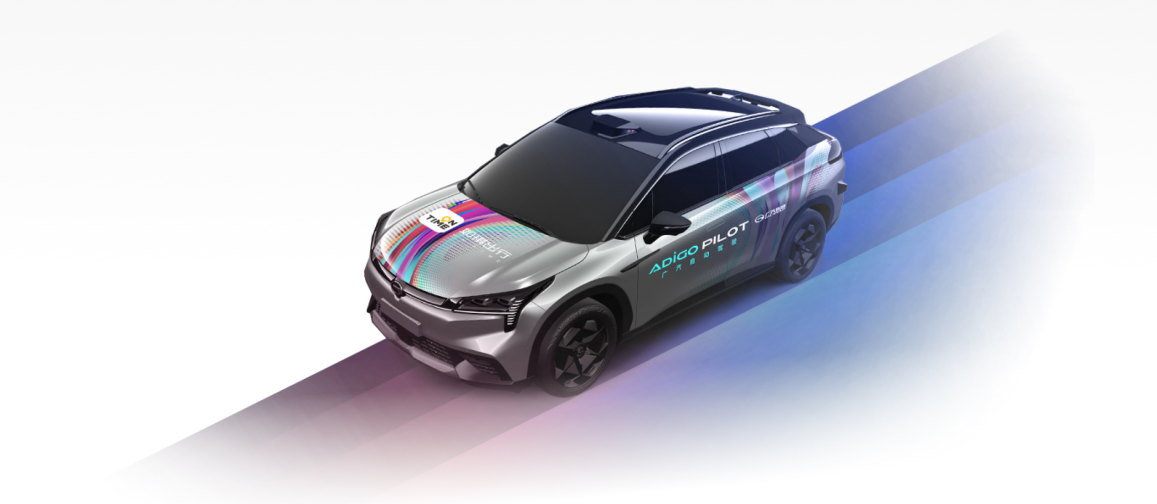
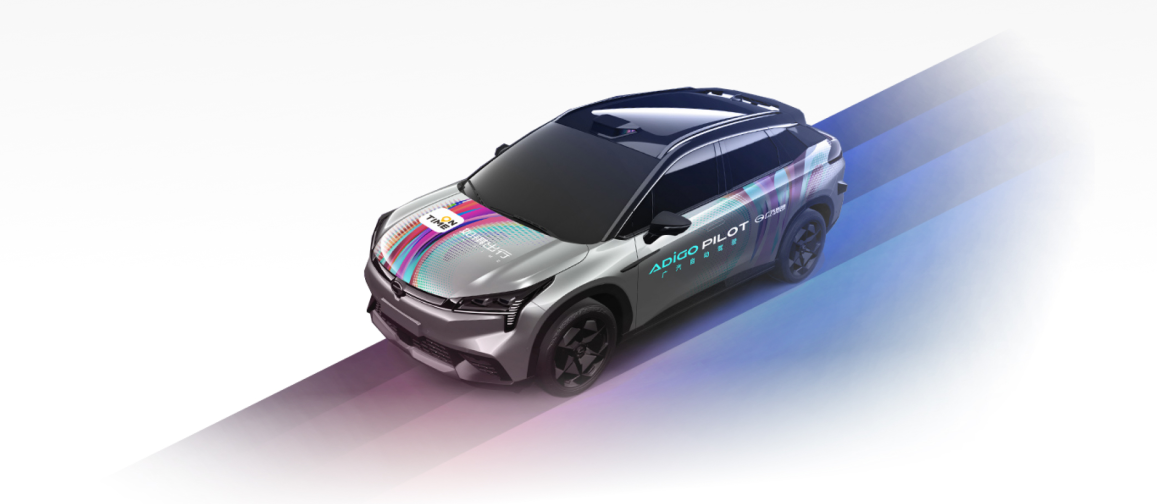
Buyers must weigh trade-offs rather than rely on a single spec sheet; a measured comparison exposes practical strengths and weaknesses. I examined the Aion V alongside rivals and joined a GAC test drive during a demonstration in Sydney to confirm how theory meets the road. That hands-on exposure, combined with years of evaluating fleet purchases and servicing arrangements, clarifies what really matters when you sign the finance papers.
Head-to-head: what to compare first
Focus on these direct contrasts to avoid being swayed by marketing. Each line reflects an ownership consequence, not a buzzword:- Real-world driving range versus quoted range; urban use and frequent short trips cut range differently than long motorway runs.- Charging ecosystem: availability and type of public fast chargers where you live will affect daily convenience.- Dealer and service footprint: prompt servicing and genuine parts cut downtime; a sparse network raises costs.- Software and update policy: regular over-the-air updates improve function; inconsistent support erodes value.- Warranty terms and roadside assistance: check inclusions, exclusions and transferability if you plan to sell.
How the Aion V compares to familiar alternatives
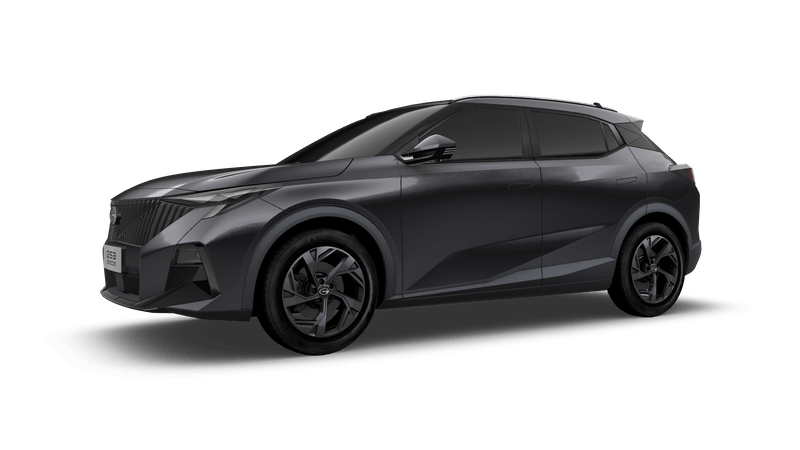
The Aion V typically scores well on interior space and value for money, while rivals may lead in other specifics. Expect competitors to vary as follows:- Some brands offer a global fast-charging network that makes long trips simpler.- Others present stronger resale histories in Australia, which matters if you plan to trade in within a few years.- Certain models emphasise minimalist software and rapid updates; others rely on dealer visits for significant changes.This is why a side-by-side appraisal — noting what you actually use the car for — is essential.

Practical checklist before you buy
Use this short checklist at the dealership or during a private inspection:- Confirm realistic, instrumented range on a local route you would drive.- Measure charging times yourself on the chargers you will use.- Ask for scheduled service prices and expected part lead-times.- Inspect build quality in person: panel gaps, trim fit and sealing against the elements.- Request a written copy of warranty and software-update policy.- Explore insurance costs for the specific model and variant.
Common mistakes buyers make
These errors repeat because they’re easy to overlook:- Trusting laboratory range figures without testing in local conditions.- Assuming public charging will be as convenient as home charging.- Overlooking the impact of heating or air-conditioning on range in Australian climates.- Forgetting to compare long-term running costs, not only upfront price.Avoid these, and the comparison becomes far more useful.
What to look for on the test drive
Turn the test drive into a diagnostic session rather than a brief thrill. Pay attention to:- Regenerative braking modes and how they feel in traffic.- Throttle response and whether power delivery suits your driving style.- Cabin insulation from wind and tyre noise on typical local roads.- The practicality of interfaces: touchscreens, voice commands and physical controls.- Ease of access to charging ports and the clarity of charging indicators.This is the moment when paper comparisons translate into lived experience.
Conclusion — a practical verdict
Compare features that affect everyday use, not only headline numbers. A disciplined comparison—grounded in a local test drive and service checks—reveals whether the Aion V fits your priorities or whether an alternative better matches them. Hands-on experience with GAC will confirm the practical details that ultimately determine satisfaction and value.
