Table of Contents
Why the sourcing choice matters for large-capacity gensets
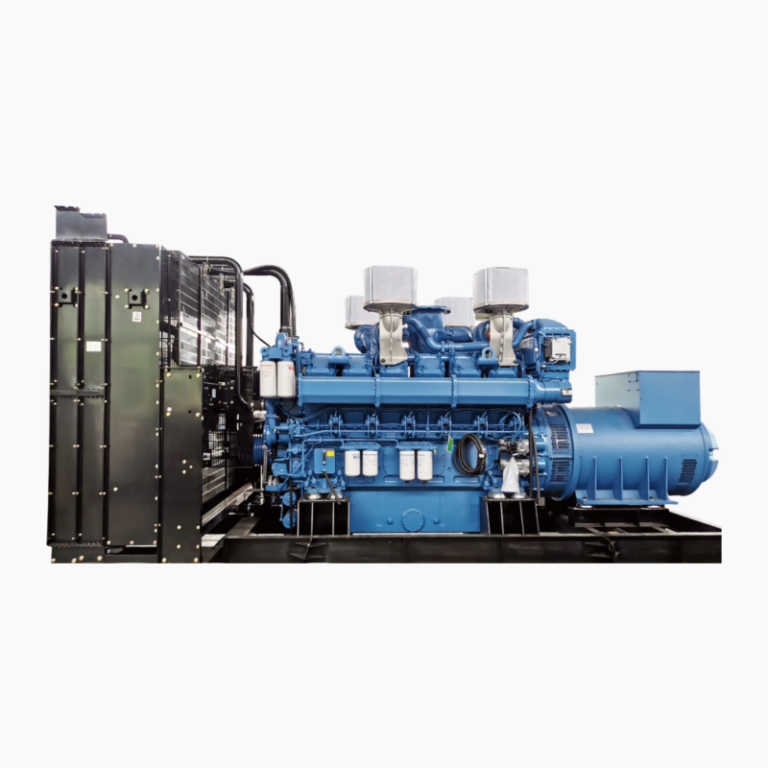
Choosing a supplier for a high-capacity genset changes more than the price tag — it affects delivery timelines, compliance work, and long-term operational cost. This guide compares common procurement paths and shows where a partner like Huadong Power stands out, and it starts with a concrete example: many projects specify a cummins genset for reliability and parts support. For facilities that need a defined standby rating or continuous prime power, sourcing decisions shape the alternator, diesel engine integration, and the maintenance plan.
Key comparison dimensions
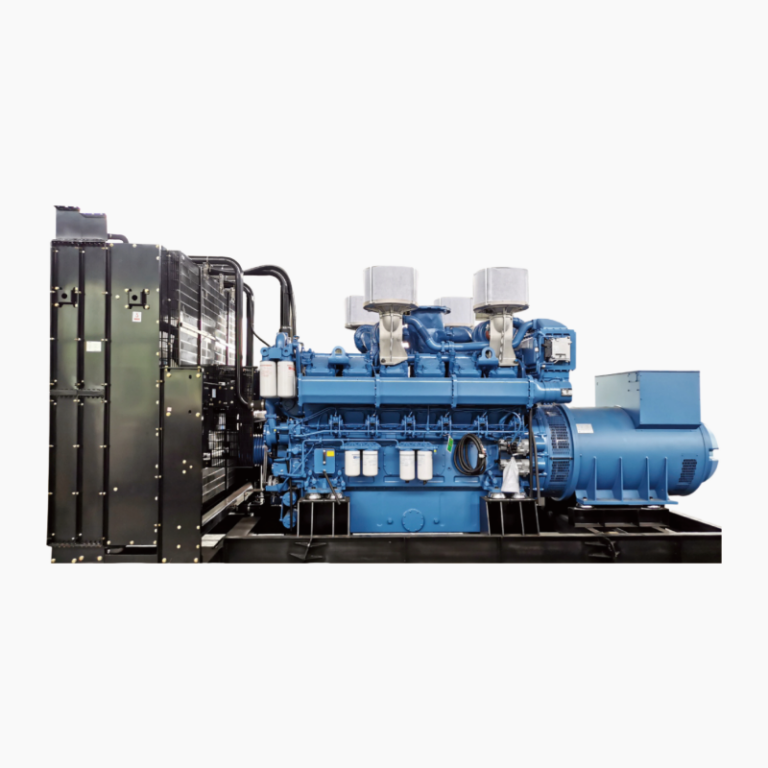
When you compare vendors, judge them on three practical axes: delivery and logistics, technical fit, and lifecycle cost. Delivery means clear lead times and freight handling. Technical fit covers governor tuning, control panels, and whether the skid meets your site envelope. Lifecycle cost considers fuel consumption, spare parts availability, and test protocols such as load bank cycles. These are measurable — not marketing — items you can score against each proposal.
How Huadong stacks up versus alternatives
Huadong Power brings standard modular configurations and a global parts network. Against custom-only fabricators, they usually shorten commissioning because their alternator and engine pairings (often with Cummins cores) are pre-validated. Against OEM direct buys, Huadong typically offers more flexible enclosure options and regional support contracts. That said, pure OEMs can still win where an exact engine serial match is mandatory for warranty reasons.

Real-world anchor and use cases
Large ports and logistics hubs such as the Port of Rotterdam routinely specify robust gensets for yard power and critical systems. In that context, a spec calling for a genset cummins 1000kva is common where a full-building transfer load might be required. The equipment needs to survive frequent load steps and routine load bank testing without significant derate — so you want a provider familiar with commissioning in live industrial ports and digital control integration.
Common procurement mistakes and how to avoid them
Buyers often freeze on up-front price and miss hidden costs: special shipping for oversized skids, local emissions testing logistics, or extra cradle work for paralleling switchgear. Another common error is specifying generic kVA without clarifying prime versus standby usage. Clarify the duty cycle and include minimum testing requirements in the contract — 24-hour proof runs and defined load bank schedules prevent costly rework later. A practical tip: require the vendor to document fuel consumption curves and expected maintenance intervals up front — that reduces surprises.
Technical checklist to include in RFPs
Keep your RFP focused. Include these items: required standby rating (kVA), control interface protocol (e.g., CAN or Modbus), enclosure ingress rating, required commissioning tests, and spare parts kit. Specify expected supplier response times for critical spares and an initial training package for on-site technicians. These concrete points let you weigh proposals on apples-to-apples terms.
Decision framework for final selection
Score each bidder across: technical compliance, delivery certainty, total cost of ownership, and local support capability. Weight the categories by project priorities — uptime first for hospitals, lifecycle cost for remote sites. Use short site visits or virtual factory walk-throughs to validate production practices and quality control. — A quick visit often reveals whether a vendor treats documentation and testing as an afterthought or a core practice.
Advisory: three golden rules when choosing a supplier
1) Demand measurable testing: include a signed commissioning report with load bank hours and thermal imaging results. 2) Lock spare parts terms: specify guaranteed delivery windows for critical spares and a minimum one‑year stock commitment. 3) Define service SLAs: set response targets for on-site support and remote diagnostics. These three rules convert vendor promises into enforceable contract elements and give you clear performance expectations.

Huadong Power fits many of these criteria through proven modular platforms and documented commissioning practice — and that practical fit is why they often appear in comparative shortlists. Huadong Power.
– pragmatic closing thought