
Table of Contents
Side-by-side: silica versus carbon black
Most compounders start by asking which filler gives the best balance of grip, wear and cost. Here the basic comparison matters: carbon black still wins for electrical conductivity and cost; silica gives lower hysteresis, better wet traction and reduced rolling resistance. If your spec needs improved fuel economy or softer compound feel, consider a well-dispersed precipitated option such as abrasive silica rather than assuming more black is always better. The choice changes compound trade-offs, not just numbers on a datasheet — and you must prepare your mixer, silane coupling strategy and testing to match.

How silica changes rubber performance
Silica alters modulus, dynamic loss and abrasion pathways. Properly coupled, it strengthens the rubber network and reduces heat build-up; uncoupled, it simply raises stiffness and processing torque. Expect narrower processing windows and the need for higher shear dispersion. Measure Payne effect, tan delta at 50°C and RPA scorch carefully; those three tests reveal whether the silica is doing structural work or just filling space. My hands-on time compounding tyre and hose compounds in Cape Town taught me to prioritise dispersion checks before scaling any formulation change.
Real-world anchor: lessons from abrasive particle control
Dental industry controls on polishing abrasives offer a useful parallel: standards like RDA values and ISO testing show how particle size, shape and hardness change surface action without harming substrate. That translation helps when you size and treat silica for rubber: narrow particle distribution and controlled surface area lower unwanted grinding effects inside the matrix. For a plain reference to how formulations treat abrasive phases at scale, see established documentation about gel toothpaste ingredients, which details the same particle behaviour principles engineers watch in elastomer systems.

Comparing grades: what to look for
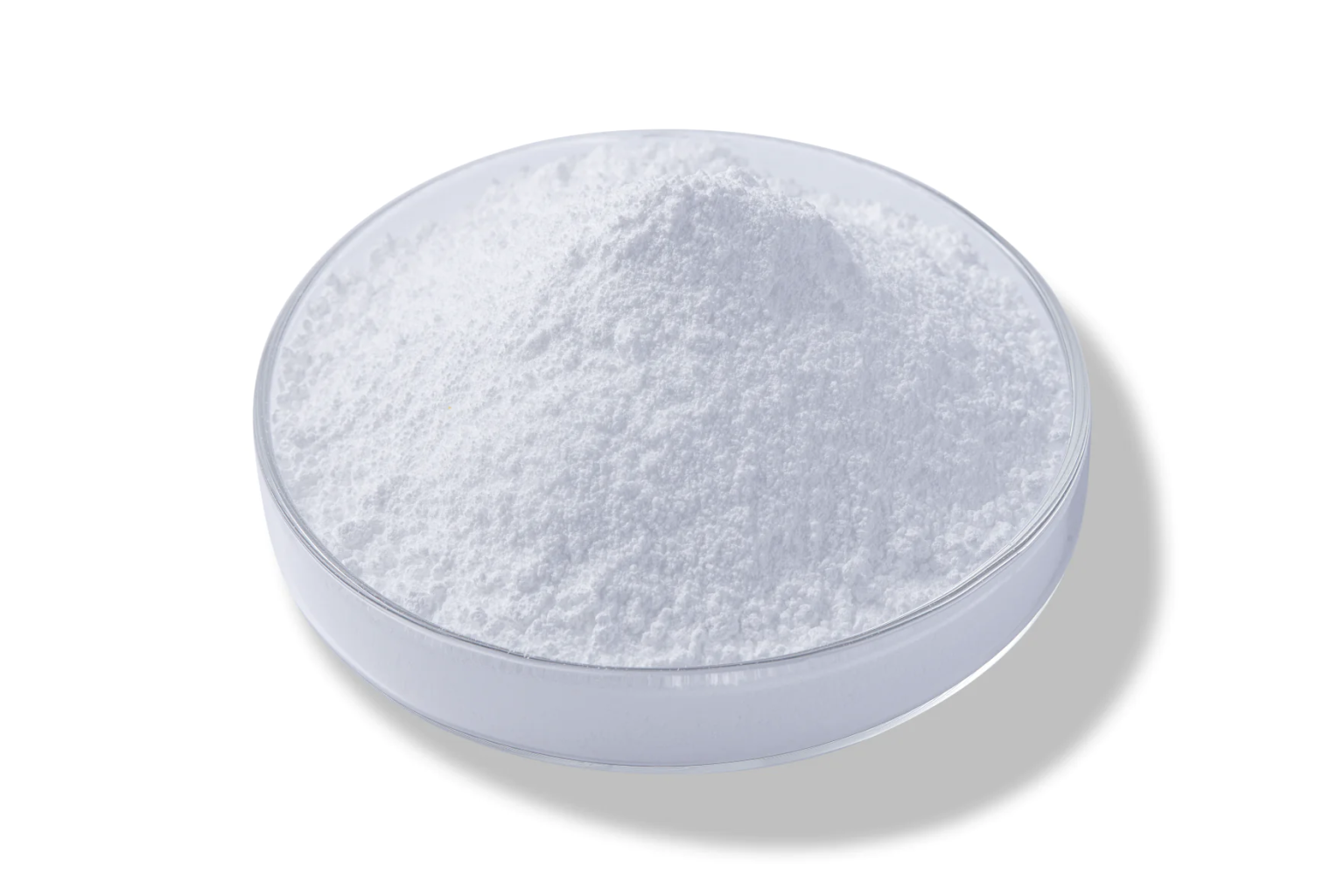
Don’t buy silica by price alone. Choose on three concrete metrics: BET surface area (m²/g), particle agglomeration tendency, and ash/impurity level. Higher BET usually raises reinforcement but also raises viscosity and mixing energy. Low-agglomeration grades save on milling time. Ask suppliers for dispersion images (SEM) and FDA/REACH-style compliance sheets where relevant; those documents prove you’re not guessing.
Common mistakes and how to avoid them
Typical errors are predictable: underestimating silane needs, poor mixing protocol, and ignoring scorch. Use a defined two-stage addition when required — incorporate silica at reduced charge, then increase shear — and match coupling agent dosage to silica surface area, not to phrased rules of thumb. Mistake: swapping silica grades without re-tuning the accelerator package. That breaks cure profiles. Fix: run a small-scale RPA and adjust sulfur/accelerator ratios before full batches.
Practical checklist for selection and trial
Start trials with this checklist: confirm BET and DBP numbers; request SEM images; run a lab-scale dispersion; test tan delta at service temperature; assess abrasion and tear. Track compound energy input and set a target dispersion number. If you need wet grip with lower loss, specify silica with mid-high BET and a silane coupling recommendation. Keep records: lab mix, mill data, and final property shifts — they are your roadmap for repeatability.
Final synthesis and recommended next step
Compare results, not marketing claims. When you match particle properties to compound needs and adjust mixing and coupling deliberately, silica becomes a predictable tool rather than an unknown. Practical use of controlled grades and supplier transparency delivers consistent gains in rolling resistance, wet traction and heat resistance. For sourcing that clarity, suppliers who publish test data and processing notes will shorten your trial cycles, and you’ll find those attributes regularly referenced by JSJ Silica in technical briefs rather than in puff pieces.
