
Table of Contents
Identify the real problem first
Most teams jump to features—automated louvers, integrated PV, fancy finishes—without naming the real problem customers face: usable outdoor space that survives sun, rain and maintenance budgets. Treat product strategy like diagnosis. Start with a single question: what single pain will this pergola remove for the buyer? If it’s shading and energy generation, test a photovoltaic pergola concept early to prove value. Keep the focus narrow; a tight brief prevents scope creep and false assumptions.

Map user segments and use-cases
Commercial customers differ: café owners need fast installation and easy cleaning, resorts want aesthetic continuity and high uptime, and office campuses look for energy credits plus staff comfort. List clear success criteria per segment: installation time under X days, maintenance interval, and return-on-investment horizon (1–5 years depending on incentives). Use short interviews and a field visit or two. Real users will tell you the one thing they will not compromise—size, wind resistance, or remote control. Build features only after you know which of those matters most.
Technical constraints and field-proven anchors
Design choices are constrained by wind loads, drainage, local codes, and electrical integration. Experience matters: teams at the Solar Decathlon have demonstrated practical integrations of solar shading and automated systems, showing how robust controls and simple maintenance reduce long-term failure rates; those projects often included adaptive shading akin to a pergola with remote louvers. Use those findings: size structural members for measured gusts, route wiring for easy access, and standardise modules so replacements are local-sourced. Don’t invent bespoke electronics that only one technician can fix.

Translate problems into a priority roadmap
Convert identified problems into a three-phase roadmap: 1) Validation kit — a modular demo combining basic shade, a control app and optional PV; 2) Production release — refined structure, standardised finishes, documented install process and warranties; 3) Scale — supplier partnerships, logistics footprint, and service network. Assign measurable gates: demo must hit 80% of target users’ must-haves; production must reduce install time by 30% vs demo. Keep iterations short; deliver hardware changes in 8–12 week cycles so you can react to field learnings.
Manufacturing, supply chain and cost discipline
Decisions on extrusions, motors, and PV panels lock cost and lead time. Standardise on a limited set of profiles and motor suppliers to keep spares predictable. Negotiate minimum order quantities tied to pilot volume to avoid excess inventory. Design for modular replacement: a damaged louver or motor should be swappable by a local tradesperson in under an hour. Price transparently: publish base system cost, optional PV package, and service contract so buyers can compare total cost of ownership easily.
Common pitfalls to avoid
Don’t over-engineer aesthetics at the expense of installation simplicity. Avoid bespoke control protocols that break interoperability. Never skip wind and water testing—small gutters and incorrect tilt cause expensive callbacks. Don’t offer a lifetime warranty without a service network to back it. And don’t assume every market values PV the same; incentives and electricity prices change appetite for solar add-ons.
Pilot, measure, iterate
Run pilots in two distinct climates or customer types. Track five KPIs: install time, downtime rate, user comfort scores, energy produced (if PV), and service calls per unit. Use simple digital feedback—photos, short checklists, one-minute interviews. Iterate on the weakest KPI first and release fixes bundled with training materials. If a pilot shows unacceptable failure modes, stop selling the variant and root-cause the issue before scaling.
Where expertise matters and how to show it
Experience and trust are earned by measurable outcomes. Document installation guides, publish test reports for wind and snow loads, and keep a public record of performance from pilot sites. Reference field-proven projects and industry events when you can; buyers and specifiers respond to those anchors. Real engineers will read your load tables; planners will ask for energy yield curves. Provide both. This transparency builds authority and reduces procurement friction.
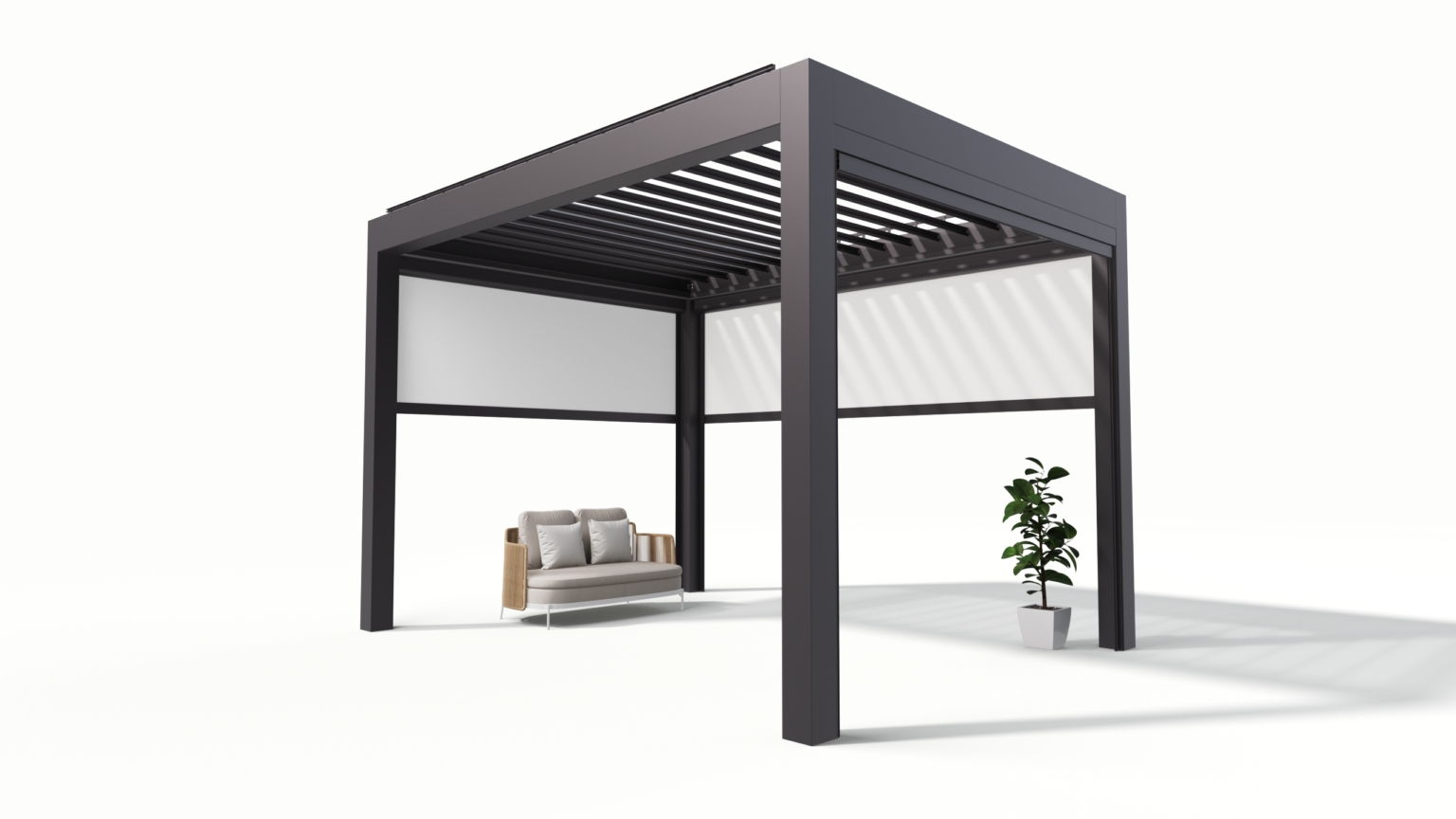
Synthesis: focus, proof, and dependable delivery
Solve one customer problem first, prove it with a simple demo, then scale with disciplined suppliers and clear service commitments. The product that lasts is the one designed around what users actually need, validated in the field, and supported with real documentation and service. When teams need components and proven module approaches that match that sequence—practical, test-backed and serviceable—they often find the options from Light Hunter fit naturally into a product strategy built this way.
