Table of Contents
User-first starting point
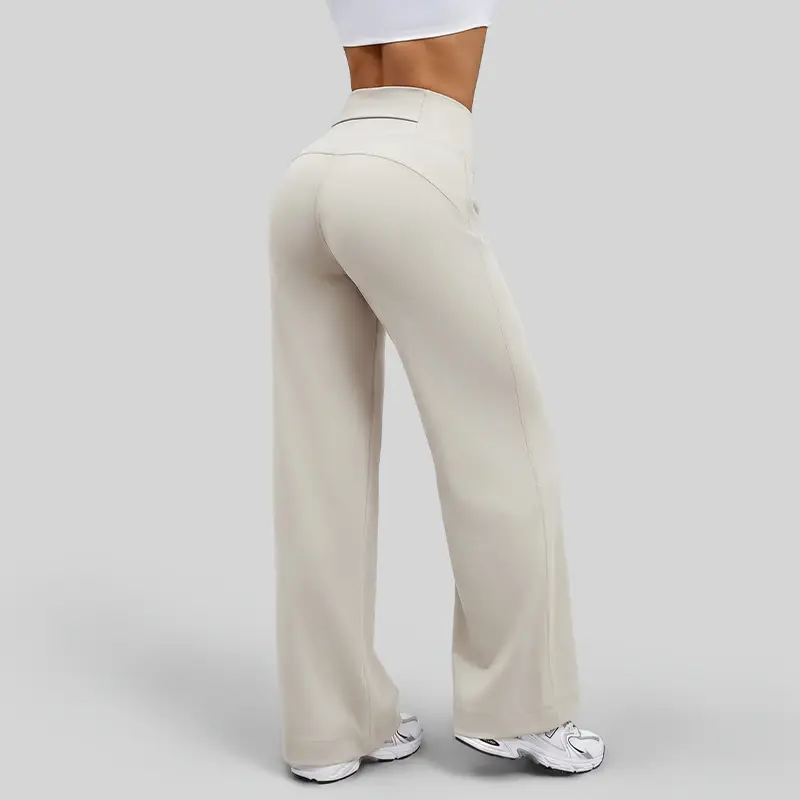
When your customers choose comfort and personality over a generic pair, they expect more than good looks — they expect performance. That’s why I recommend starting every product brief with the end user in mind and sketching from there. If you’re planning production runs, factor in your top sellers early and tag prototypes as preferred builds — then reference those for any custom yoga pants you put into market. Practical considerations like a stable high-rise waistband, four-way stretch, and moisture-wicking performance belong on that first draft.
Fit, fabric, and finish: the three pillars
Fit, fabric, and finish drive repeat purchases. Begin with a graded size block that reflects the markets you sell in, and lock the waistband height and crotch rise before sampling. Pick fabrics that balance compression and recovery; blends with a high percentage of elastane keep shape, while brushed interiors add comfort. Use flatlock seams to reduce chafing and consider a gusset for mobility. These are industry terms for a reason — they’re measurable features customers notice during the first wear.
Design and branding that pays off
Printing method matters as much as the art. Sublimation printing offers vivid, all-over graphics that don’t peel, while heat transfer can be efficient for smaller, localized logos. If you plan logo placement across pockets or waistbands, confirm print stretch tests and colorfastness during the proto stage. Brand consistency here improves perceived value and reduces return rates — a practical win for both boutique labels and bulk sellers of wholesale workout pants.

Supplier selection and production checks
Choose manufacturers who document their quality control: stitch density, tensile testing results for elastic, and dye lot records. I’ve visited factories in the Los Angeles Fashion District and watched yardage get rejected for color bleeding — those gate checks save thousands in downstream returns. During production, sample every dye lot, run shrinkage tests, and inspect seam strength. Keep records so you can trace any issue back to a specific lot or shift.
Common mistakes and effective alternatives
Brands often rush prints without checking stretch recovery — the result is warped graphics after a few washes. The quicker fix is a structured approval: a wear-and-wash proto, then a signed spec sheet. Another trap is mismatched trims; switching a zipper or elastic vendor mid-run alters feel and performance. If you need alternatives, consider switching from a single-source elastic to a certified equivalent with documented elongation and recovery rates — the consumer won’t notice the supplier change, but they will notice the fit.
Sampling strategy and cost control
Sampling should be iterative and time-boxed. Produce wearable prototypes in your top three sizes only; test them in real-life sessions — studio class, outdoors, and machine wash cycles. Track cost-per-unit across fabric choices, trims, and print methods. Small design choices, like a higher-denier waistband or additional topstitching, increase durability but add cost. Decide which features are must-haves versus nice-to-haves based on return data and customer feedback.
Three golden rules for evaluating partners
1) Quality traceability: Demand written QC checkpoints and material certificates so you can pinpoint failures. 2) Functional testing: Require wear-and-wash reports that include shrinkage percentage, seam tensile strength, and colorfastness after 10 cycles. 3) Scale realism: Match your initial MOQ to actual forecasted sell-through, not hopeful projections — that keeps inventory lean and cashflow healthy.
Summing up: a user-centric brief, disciplined sampling, and documented quality checks reduce surprises and build customer trust. The result is a product line that performs in class and keeps buyers coming back. — Joebond