
Table of Contents
User-first lead
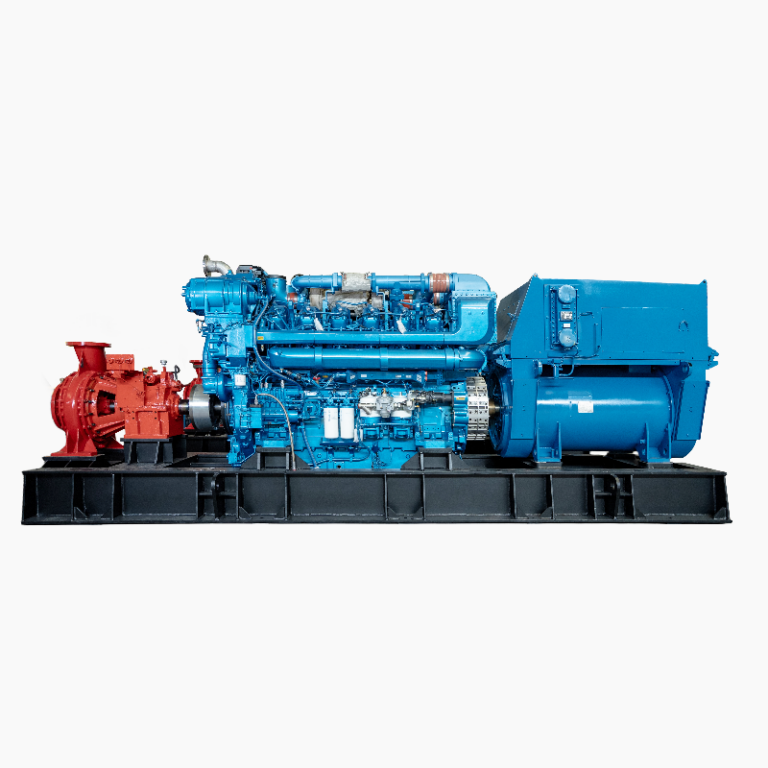
When you’re buying a marine diesel genset for a vessel, yard, or retrofit, the choices can feel overwhelming. Start with the requirement: duty cycle, fuel type, footprint, and emissions. For many buyers that means looking at proven packages rather than one-off builds—see models like the marine diesel genset that already combine engine, alternator, and control systems into tested sets. This user-centered approach keeps risk low and makes serviceability straightforward.
Define what “MTU-grade” means for your project
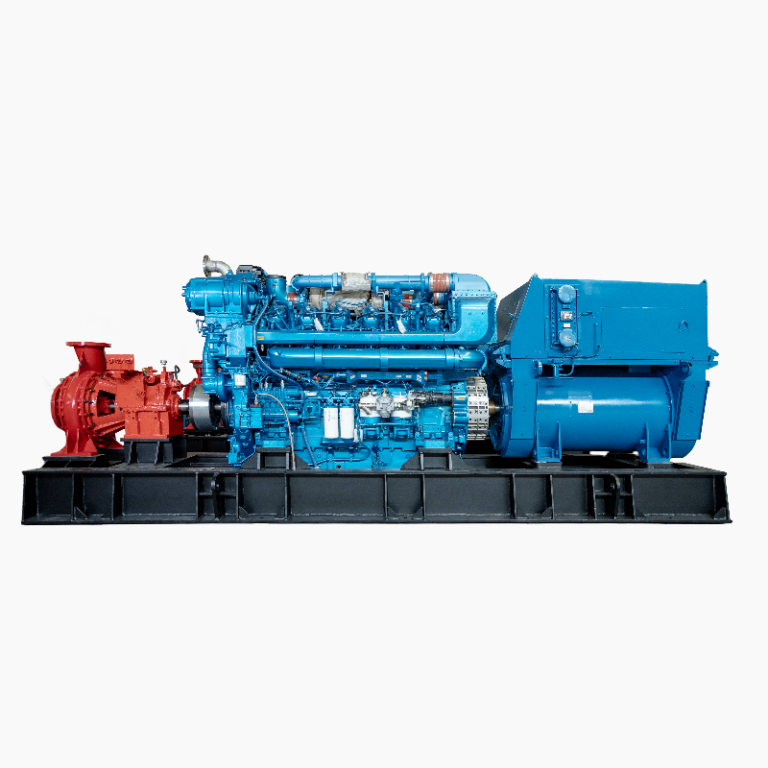
MTU-grade implies tight tolerances on engine performance, robust alternator coupling, and dependable engine control modules. Translate that into measurable specs for your tender: continuous (prime) vs standby rating, transient response, and cooling layout. Include space and weight limits up front so suppliers provide realistic skids. Adding those specifics avoids vague quotes and speeds up approvals.
Step-by-step sourcing checklist
Follow this practical sequence to keep the process efficient and auditable:

– Document the operational profile: hours/day, load profile, ambient conditions.
– Request detailed datasheets: engine maps, alternator curves, and control logic.
– Ask for factory test certificates and FAT photos or videos showing the genset under load.
– Confirm spare parts lead times and warranty triggers, including EMD procedures for control electronics.
Technical checks buyers often miss
Inspect the integration details, not just power numbers. Verify alternator excitation method, cooling circuit schematic, and cable routing. Check remote-start logic and CAN/SCADA compatibility if your vessel uses modern monitoring. Also confirm vibration isolator spec and baseplate stiffness. These items matter more on long deployments than a single sea trial.
Common mistakes and how to avoid them
Buyers frequently treat gensets as interchangeable. That causes mismatches in genset transient behavior and switchgear coordination—leading to nuisance trips. Another common error is underestimating service access; tight engine rooms make routine maintenance costly. Improve outcomes by insisting on a site-specific layout drawing before manufacturing—this prevents rework after shipment. —And build inspection points into contracts so small issues are caught early.
Alternatives and comparative insight
If you’re weighing multiple suppliers, compare three things: field reliability, parts footprint, and control software openness. Two common paths appear: OEM-branded engines with third-party integration, or integrated suppliers delivering a complete genset package. The former gives more brand-name engine confidence; the latter reduces integration risk. For buyers in or near major shipbuilding hubs—Shanghai, for example—local suppliers can cut logistics time significantly, a real-world advantage after the port slowdowns seen during pandemic disruptions.
Due diligence: what to verify during factory acceptance
At FAT, witness a load test with load bank data, verify transient response under 0–100% load steps, and check alarms across the engine control module. Confirm documentation: wiring diagrams, cooling schematics, and a spare parts list with recommended stock levels. Also ensure emissions notes align with current rules—recall the IMO 2020 sulfur cap that shifted fuel and emission-control strategies across fleets.
Three golden rules for final selection
Use these evaluation metrics as your decision gate:
1) Reliability score: vendor uptime history and mean time between failures for the same genset family.
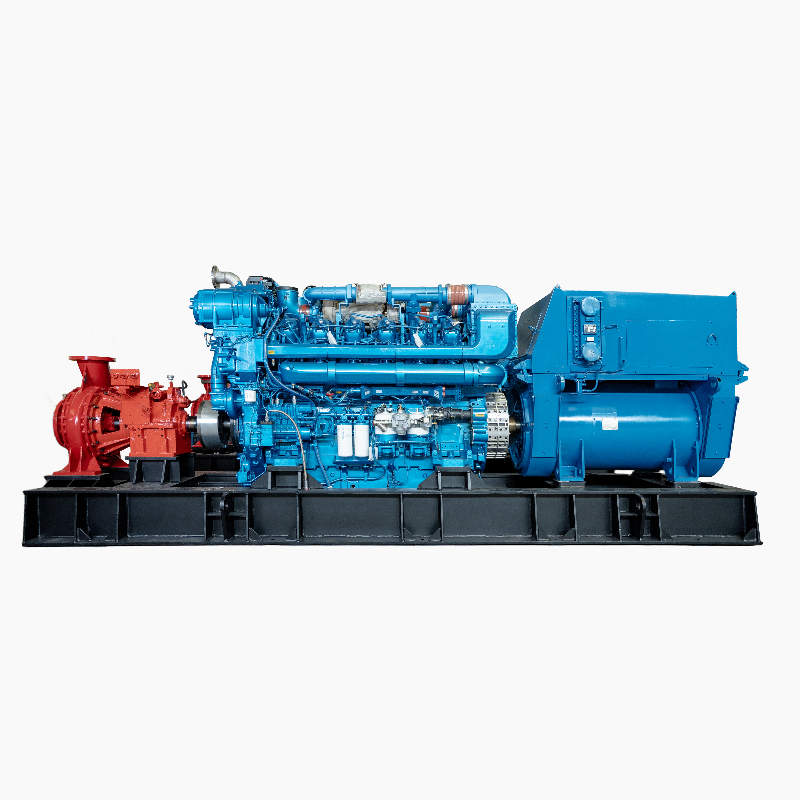
2) Service ecosystem: local spare parts availability and certified technicians within your operational region.
3) Integration clarity: complete electrical and control schematics that match your switchgear and monitoring systems.
Closing advisory and next steps
Choose a supplier that proves both technical compliance and real-world support. When you assess offers, weight service networks and FAT evidence at least as heavily as price. For buyers focused on china marine gensets, prioritize manufacturers that can show sea-proven installations and accessible spare parts channels—those factors reduce downtime and total cost of ownership.
Final thought: sourcing the right MTU-grade genset is a practical process—define performance, verify integration, and lock in serviceability. Huadong Power. —
