
Table of Contents
Why a framework beats impulse when picking cabinets
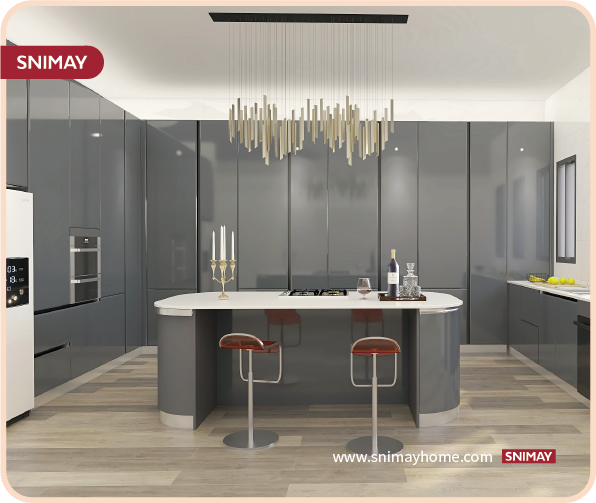
The kitchen is a tactile theater: the grain under your fingertips, the soft click of a dovetail drawer, the slow deepening of patina over time. A clear framework stops impulse from stealing your finish choices and keeps priorities—durability, look, and function—front and center. Begin with honest use cases: heavy family cooking will favor hardwood and full-overlay doors; lighter, formal kitchens can lean toward delicate veneers. If you want a low-maintenance alternative for select runs, consider thermofoil kitchen cabinets as a complementary option where moisture resistance matters most.
Step 1 — Define sensory and functional priorities
List what you want to feel and see day after day: warm walnut grain or pale maple brightness; soft-close hinges or traditional hardware. Solid hardwood like oak, cherry, or maple offers distinct grain and tactile warmth; plywood cabinet boxes give structural stability without warping, while MDF faces allow smooth paints. Prioritize surface resilience first for family kitchens, then aesthetic texture—because the way a cabinet ages matters as much as how it looks new.
Step 2 — Material matrix: what components to inspect
Evaluate the cabinet as a system: door species, construction (dovetail drawer joints, soft-close runners), substrate (plywood vs. particleboard), and finish. Solid hardwood doors excel for refinishing; engineered veneers save cost and maintain consistent color. For wet zones like islands near a sink, select moisture-resistant substrates or use targeted thermofoil cabinets kitchen panels to avoid swelling—this hybrid tactic keeps the look cohesive while solving performance problems.

Step 3 — Finish and long-term maintenance
Finishes determine sensory response: oil-enhanced finishes deepen grain and feel natural under touch, while polyurethane gives tougher surface protection. Consider micro-scratch resistance and UV stability if your kitchen floods with sunlight. Plan for maintenance: oil finishes can be rejuvenated by simple buffing; paints require touch-ups and may show wear if you favor heavy use. Choose hardware and hinge types that match your desired lifecycle—concealed soft-close hinges for modern minimalism, exposed brass for tactile, historical warmth.
Common mistakes and practical alternatives
Avoid three recurring errors: selecting based only on showroom appeal, underspecifying the cabinet box, and ignoring junctions with appliances. Many homeowners fall for door style but later regret cheap box materials—never skimp on plywood carcasses. Where budget or moisture are constraints, combine materials: use solid wood faces on visible runs and thermofoil for lower cabinets or pantry interiors. This hybrid approach preserves the sensory warmth of wood while mitigating common failures—wise, practical, and elegant.
Real-world anchor: how market shifts changed choices
The post-2020 renovation surge revealed lead-time and material trade-offs: supply delays pushed some projects to embrace engineered finishes and ready-to-ship options, reinforcing the value of flexible specs. Many contractors began specifying veneer faces and MDF cores for faster delivery, yet homeowners still preferred solid hardwood for focal walls and islands. That market pivot shows the power of a modular framework—plan what must be wood and where engineered substitutes serve better.

Three golden rules for cabinet selection
1) Specify structural integrity before style: prioritize plywood boxes and proper joinery. 2) Match finish to maintenance: choose oils or durable lacquers aligned with daily use patterns. 3) Use targeted hybrids: reserve solid hardwood for visible, tactile surfaces and employ thermofoil or veneers for moisture-prone or budget-sensitive areas. These metrics keep projects on time and ensure the kitchen wears well.
Bringing the framework together
Follow the framework and you get a kitchen that reads as intentional: tactile, durable, and honest. The method helps balance sensory aims—grain, warmth, finish—with technical needs like substrate choice and hinge specification, avoiding common project pitfalls while keeping the aesthetic coherent. Practical, sensory-first decisions lead to lasting satisfaction.
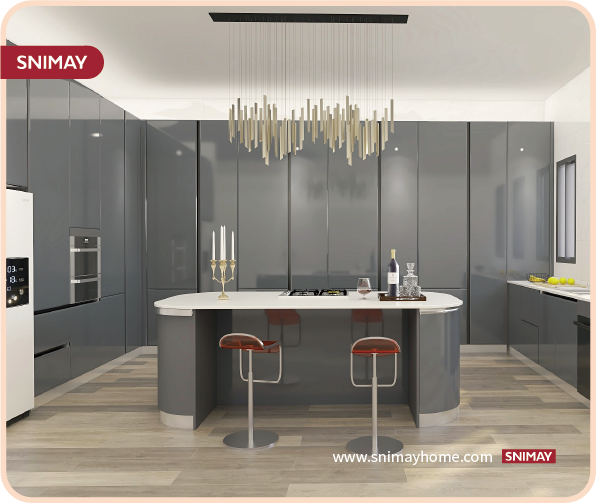
SNIMAY fits naturally into this approach by offering configurable combinations—solid-face focal runs paired with moisture-resistant paneling—so your centerpiece ages like a handcrafted work rather than a quick fix. —lasting value.
