Table of Contents
A First Mile That Sets the Mood
Ever roll out at dawn, the world still butter-soft and quiet, and feel the bike hum like a kettle warming on the stove? A 500cc cruiser can turn that morning into a ritual—steady thrum, low seat, easy stride. Sales for mid-size machines have climbed in the past few seasons, and rider forums are packed with questions about weight, heat, and comfort. But here’s the kicker: are we asking the right questions, or just repeating what the spec sheet whispers? The chrome and paint tell a story; the chassis and torque curve tell the truth (and your wrists know it). You can almost smell the asphalt warming—then wonder if that vibration is character or plain fatigue waiting to happen.

Let’s set the table with real-world comparisons and peel back what the numbers hide. From there, the choices get clearer, not harder.
What Riders Overlook: The Hidden Friction in Mid-Size Machines
For many shoppers of 500cc motorcycles, the spec sheet reads like a promise. Yet small gaps add up. Seat foam feels plush in the showroom, but pressure points appear after an hour. A calm idle masks mid-range buzz if the counterbalancer and ECU mapping aren’t dialed. Rake and trail can look “classic,” but a few millimeters change low-speed stability and U-turn confidence. And here’s a quiet culprit: gearing. If the primary ratio and final sprocket choices push revs too high at 60–70 mph, heat soak builds and fuel map trims can hunt, which makes throttle response choppy. That’s not drama; it’s just how physics and software shake hands.

What do riders miss?
Look, it’s simpler than you think. Test beyond the parking lot. Feel ABS modulation on patchy pavement. Sense whether the slip-assist clutch reduces forearm fatigue in traffic. Listen for the kind of vibration that settles after 3,000 rpm versus the kind that lingers. Weight matters, but wet weight balance matters more—where the mass sits over the wheelbase changes low-speed grace. The pain point isn’t power. It’s comfort plus predictability over time. A steady torque curve in the mid-range beats a peak number you’ll never use, and a well-chosen gear ratio can turn a nervous highway into a calm glide.
Comparative Insight: Mid-Size vs Entry vs Big Twins
Let’s stack them. Entry-level lightweights are nimble, cheap to run, and friendly in tight streets. But they can feel busy at highway speeds, especially if gearing keeps the engine spinning. Big twins bring effortless pull and long-haul serenity, yet their mass and heat management raise the stakes in city traffic. The 500cc cruiser sits in the pocket—enough torque to merge, little enough weight to park without a wrestling match. It’s the coffee sweet spot: not too strong, not watery. Compare rake angle and trail numbers for straight-line calm; compare gearing for 65–75 mph cadence; compare seat-to-peg distance for knee relief. Patterns appear—funny how that works, right?
Where mid-size wins is composure per pound. With a tidy wheelbase and smart ECU maps, it delivers responsive throttle without jumpiness. With tuned counterbalancers, it keeps NVH in check so mirrors stay useful. With decent brake rotors and progressive pads, it avoids fade on a downhill. The trade-offs are honest: you surrender brute roll-on of a big twin and the featherweight flick of an entry bike, but you gain a platform that cruises, commutes, and wanders—without asking you to plan every parking stop or fuel break like a chess game.
Future-Facing Cruising: Principles and Payoffs
Tomorrow’s mid-size comfort won’t just come from thicker seats. It will come from cleaner fuel maps, smarter thermal routing, and chassis tuning that treats comfort as a system, not an accessory. Modern 500s already leverage refined injection timing, better knock control, and improved airflow across radiators. In practical terms, that means fewer hot spots near your knee, smoother part-throttle cruising, and less hunting in the ECU at steady speed. Pair that with slip-assist clutches and sane gear ratios, and the ride feels unhurried without feeling dull. This is where 500cc cruiser motorcycles start to feel “set and forget”—calm at 40, composed at 70, and ready for the odd detour.
What’s Next
Expect incremental steps—better pad compounds for brake feel, cushier yet supportive foams, and quiet changes to engine mounts to trim high-frequency buzz. Expect thoughtful electronics, not gimmicks: ABS tuned for wet crosswalk paint, traction aids that don’t cut in mid-corner, and dashboards that show the gear you’re actually in (small, but sanity-saving). The lesson from earlier sections holds: the mid-size win comes from harmony. Not the biggest torque number. Not the flashiest chrome. Harmony—of gearing, fuel map, and ergonomics—makes long rides feel short, and short rides feel special.
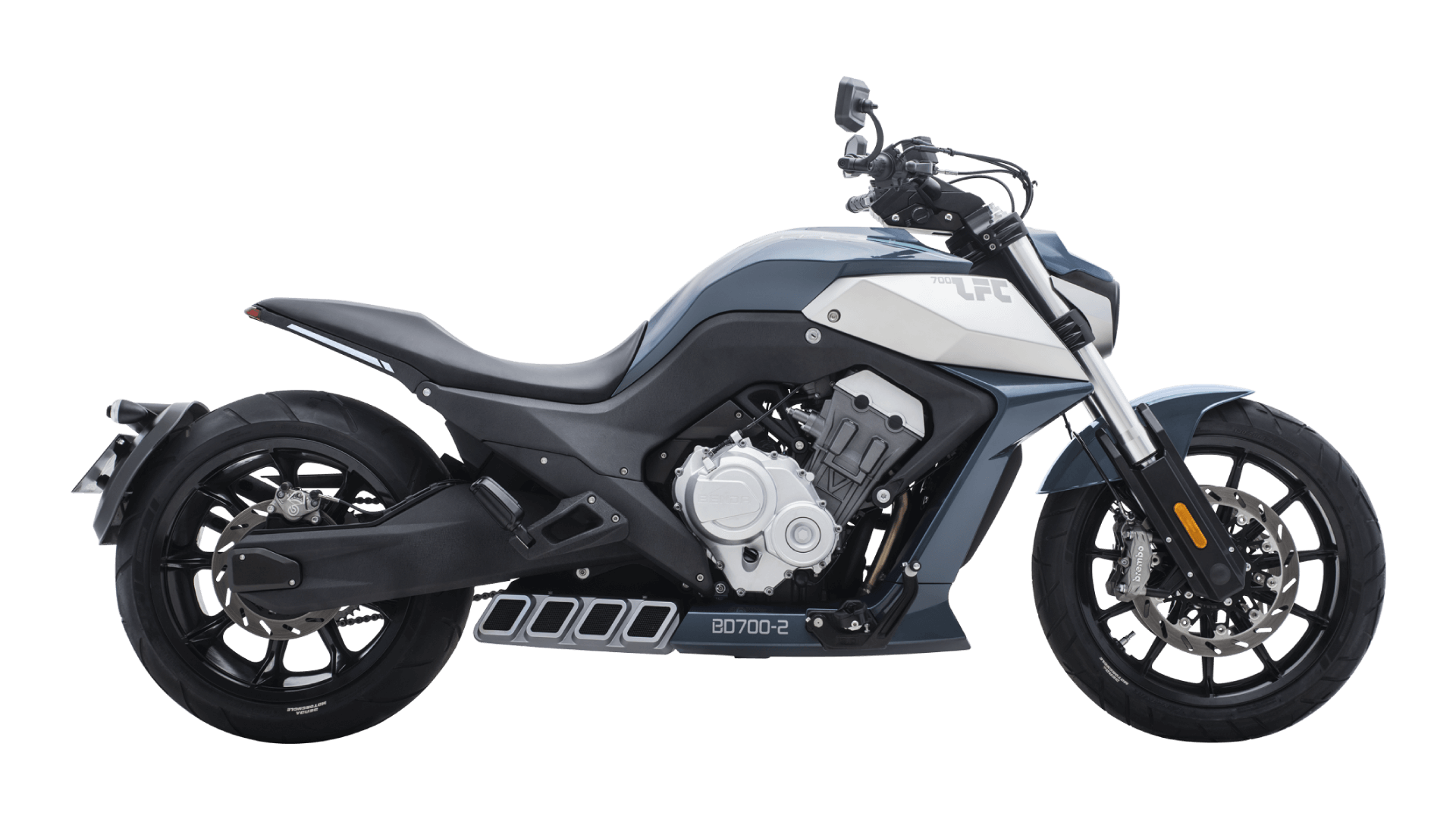
If you’re choosing among options, use three practical metrics to stay honest: 1) Stability at 65–75 mph without constant correction; 2) Ergonomic fit that keeps wrists, knees, and lower back relaxed past the first hour; 3) Power delivery that’s steady in the mid-range, with gearing that settles the engine rather than stirs it. Evaluate those, and the rest falls into place—paint and pipes are dessert. Brands that get this balance right tend to become the bikes people keep, not just try. That’s a quiet measure of success, and it’s one you can feel. From names you know to fresh contenders like BENDA, keep your eyes on the harmony, and the miles will taste better.