Table of Contents
Introduction — a shop-floor moment, a number, a question
I once stood beside a night shift operator watching boxes stack up like dominoes—until one box misaligned and the whole rhythm hiccupped. In that quiet moment I realized how much depends on a single automatic case packer, and how small inefficiencies can shave hours off output. Recent shop-floor snapshots show many mid-sized plants juggling cycle time and throughput targets while trying to cut downtime (you know how it is). So I ask: are our case packers really built for today’s speed and variability, or are we just smoothing over old problems with new labels?
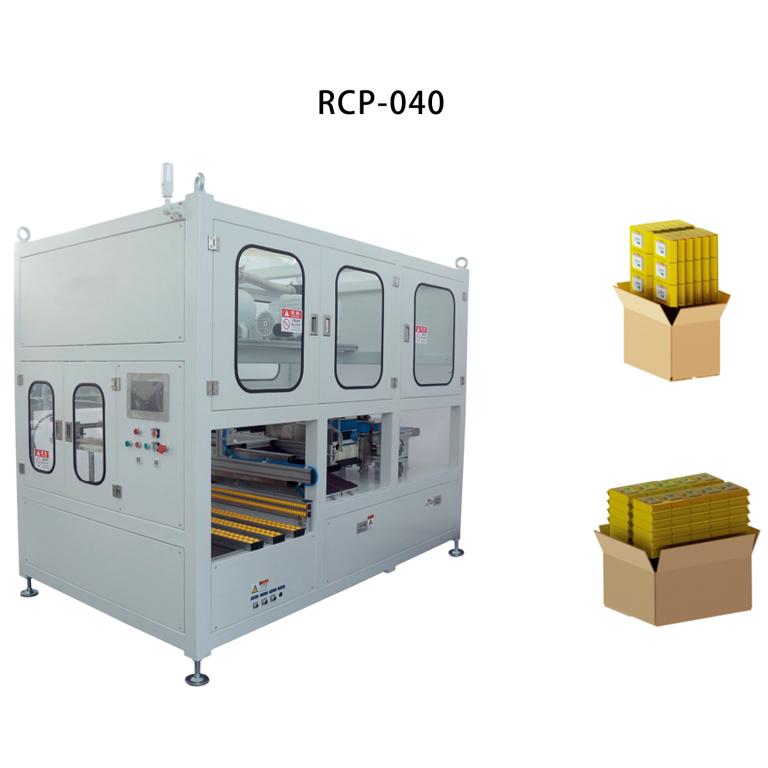
I’m writing from the floor, not a lab. I want to share what I’ve seen and what the numbers hint at — the good, the messy, and the avoidable. We’ll look at real mechanical parts (PLC logic, servo motors, conveyor belt alignment), a few control-room truths, and practical fixes you can test without overhauling the whole line. Let’s move on and dig deeper into where traditional systems fail — and why that matters for wet wipes and beyond.
Part 2 — Why many machines miss the mark: traditional solution flaws
Let me be blunt: older machines were designed for steady, predictable packs. Today’s SKUs change weekly. When a line built for a single box size meets frequent changeovers, the result is friction — jam-ups, wasted labor, and a drop in OEE. I’ve seen a wet wipes packaging machine struggle with inconsistent film tension because the line relied on manual servo tuning. The PLC program was generous but rigid; the HMI offered basic alarms but little guidance. Look, it’s simpler than you think: mismatch between control logic and mechanical reality is the root cause.

Technically, three failures repeat across sites. First, mechanical tolerances — case erectors and pick-and-place heads age, belts stretch, and vision systems lose calibration. Second, control layering — legacy PLC code lacks modularity, making updates risky. Third, diagnostic blindness — without decent SCADA or clear HMI, operators guess. These combine to increase mean time to repair and reduce effective throughput. I’ve sat with operators who improvise — they adapt, but that’s a bandage, not a cure. — funny how that works, right?
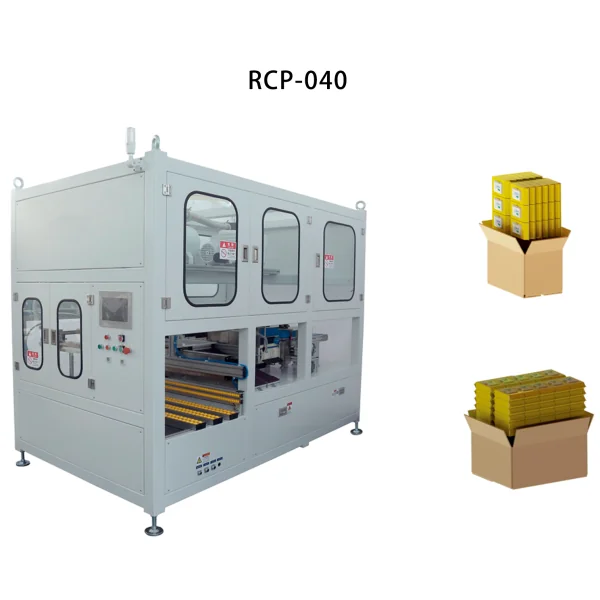
How badly does this hurt daily ops?
Pain is real: unexpected jams kill momentum, frequent manual resets eat labor hours, and modest misfeeds cause product waste. Add complex changeovers for different wet wipes pack sizes and the math becomes unforgiving. If you measure cycle time per case, these faults show up quickly. If you only watch total output, the slow erosion of efficiency hides in plain sight. We can fix many issues with better feedback loops, smarter sensor fusion, and improved operator diagnostics — but first you must admit there’s a problem.
Part 3 — Looking forward: case examples and what to expect
Here’s a quick case example I helped with: a plant running a wet wipes packaging machine that kept tripping during changeovers. We added a compact vision system and reworked the HMI to show next-step guidance. We simplified PLC routines into modular function blocks so updates didn’t risk the whole line. Within a week, changeover time dropped by about a third; downtime events shrank. I won’t pretend it was instant perfection — staff training and a few mechanical tweaks were needed — but the results were clear and measurable.
Looking ahead, systems will integrate smarter diagnostics and predictive alerts. Expect edge computing nodes on the line to preprocess vision data, while cloud analytics track trends across sites. Servo motors will stay, but their tuning will be automated more often. I think we’ll also see better modular case erector modules that snap in for different formats — faster swaps, fewer tools. What’s Next: more plug-and-play, less panic during morning start-ups. — and yes, that’s why investing in better controls pays off over time.
What metrics should you use when choosing upgrades?
When you evaluate solutions, I recommend focusing on three practical metrics: 1) Changeover time (how fast you can switch formats), 2) Mean time to repair (MTTR) with clear diagnostics, and 3) Effective throughput under mixed-SKU runs. Those three tell you whether a machine saves labor, reduces waste, and keeps production steady. I always weigh these against cost and training time, because the cheapest fix that causes more operator frustration isn’t a win.
To wrap up, I’ll say this plainly: machines are only as good as the thinking behind them. We need better feedback, smarter control logic, and designs that respect real shop-floor variability. If you’re picking a partner or upgrading a line, ask for demo cycles with your real SKUs, insist on modular PLC code and visible diagnostics, and measure the three metrics above. For hands-on tools and real examples, consider exploring models and resources from ZLINK — they give practical, usable options without the hype. I’ve been on both sides of these upgrades; when they work, the relief is real. When they don’t—well, you learn fast, and you adapt.