Table of Contents
Introduction — a small shop, big demand
I remember the afternoon a rush order arrived and the whole floor felt a beat behind — familiar, right? In that moment I started thinking about throughput and waste, and that led me straight to the double spindle CNC machine as a hands-on answer to a messy problem. Across dozens of shops I track, cycle-time data often shows a 20–40% gap between planned output and real output (yes, the variance is real). So: how do we close that gap without burning overtime or buying half a dozen single-spindle centers? I’ll walk you through what I’ve seen work and where the risks hide — and we’ll keep this practical, step by step. Let’s move into the common pain points and what they mean for your workflow.
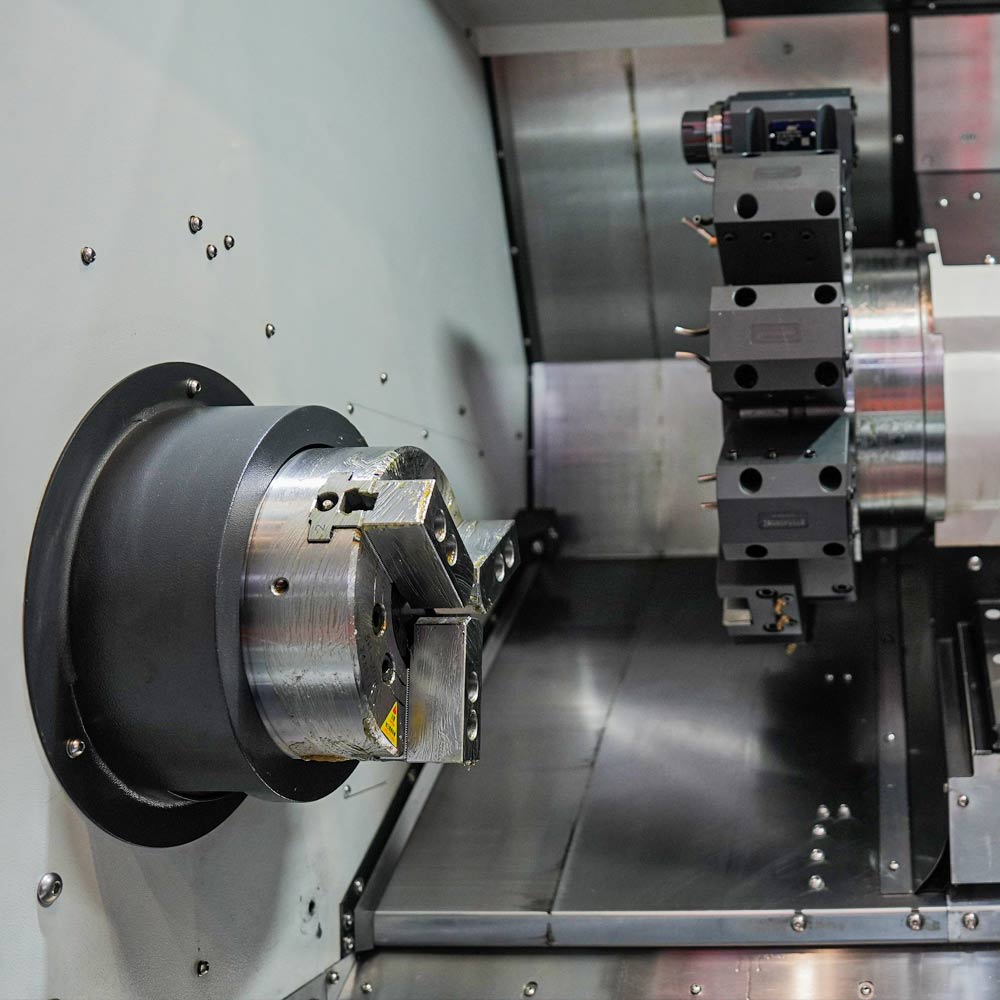
Why traditional setups stumble: the hidden costs of single-threaded machining
When I study floor operations, the first thing I spot is idle time — machines waiting while operators swap fixtures or tools. The root cause is usually process sequencing, not the machinery itself. A double spindle machine can split that work, but only if you address the control and tooling limits that traditional cells tolerate. From my perspective, spindle synchronization and tool changer cycles are the two silent killers of throughput. You might optimize Fixturing, but if the tooling logic still forces serial operations, you’ve barely scratched the surface.
Technically speaking — and I dig into this because I’ve rebuilt programs to fix it — backlash, mismatched servo turret timings, and poor spindle balancing create micro-waits that add up. Those micro-waits show up as scrap, rework, and late shipments. Look, it’s simpler than you think: reduce handoffs, tighten spindle synchronization, and rework your NC cycles for parallel tasks. That doesn’t just save minutes per part; it changes how your shop schedules jobs and maintains equipment. I’ve seen teams shave off entire shifts once they fix these bottlenecks — funny how that works, right?

What’s the single biggest bottleneck?
Forward-looking options: twin spindle lathe and what comes next
Moving forward, I focus on two tracks: redesigning process flow and adopting smarter hardware. A modern twin spindle lathe paired with updated CNC logic can run simultaneous operations — turning and milling moving in parallel — and that’s not marketing hype. In practice, you need good spindle control, a solid power converter design, and reliable Y-axis coordination to make it repeatable. I prefer starting with a proof-of-concept job: one part family, one shift, measure cycles, adjust the toolpaths, then scale. That iterative approach keeps risk low and learning high.
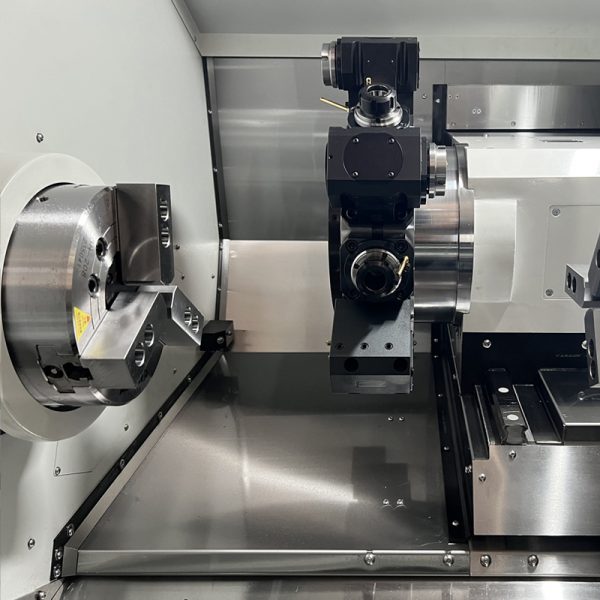
Sooner than later, I expect more shops to integrate edge computing nodes for real-time monitoring of spindle loads and tool wear. That will make predictive maintenance practical for smaller operations. Meanwhile, compare case examples: Shop A upgraded to twin spindles and redesigned fixtures; they reduced handling by 60% and improved on-time delivery. Shop B kept single spindles but automated loading and saw only marginal gains. The difference? Process redesign vs. gadget upgrades. If you want a measurable change, start with the operation logic — then pick hardware to support it. Here are three metrics I use to evaluate solutions: cycle-time reduction (%), spindle utilization (% of runtime under load), and parts-per-tool (tool life efficiency). Test to those numbers before you sign any purchase order.
Closing thoughts — what I’d tell a shop owner now
I’ll be blunt: investing in dual-spindle gear isn’t a silver bullet. You need to rethink tooling, NC programming, and maintenance routines first. But when those elements line up, the results are real — faster throughput, fewer handoffs, happier operators, and cleaner margins. If you want my quick checklist: 1) measure current cycle-time and handoff delays, 2) run a two-week pilot on a twin spindle lathe, and 3) track the three metrics above religiously. Do that, and you’ll see whether the hardware pays for itself. We’ve done this with both small job shops and mid-size plants — the pattern repeats. For practical help and equipment options, check Leichman — they’ve built machines and systems that match these principles.