Table of Contents
Introduction: A Practical Look at Volume Seating Choices
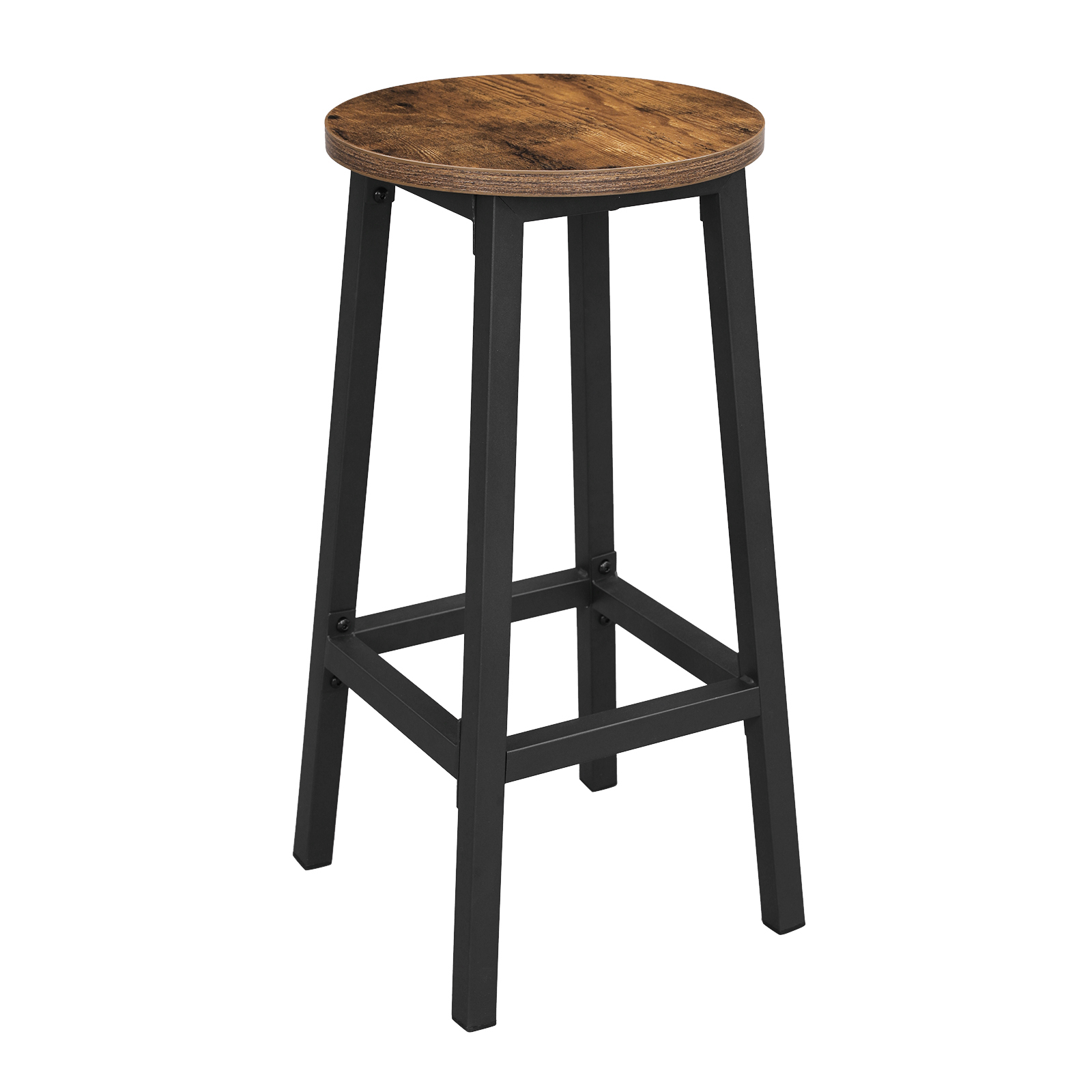
Let us ground the conversation. Comparative sourcing is the method of weighing cost, durability, and speed as one system, not as three isolated checks. Wholesale bar stools become a high-stakes decision when one venue turns into five or ten. A Nairobi operator plans a new rollout: 60 perch seats per site, tall counters, mixed traffic from breakfast to late night. The data paints a clear picture—300 stools, a six to eight week lead time, and failure risks that cluster around wobble, finish wear, and returns (pole pole, but the math bites). If average reject rates in mass seating sit near 8–12%, what happens to your project budget when freight and rework stack up?
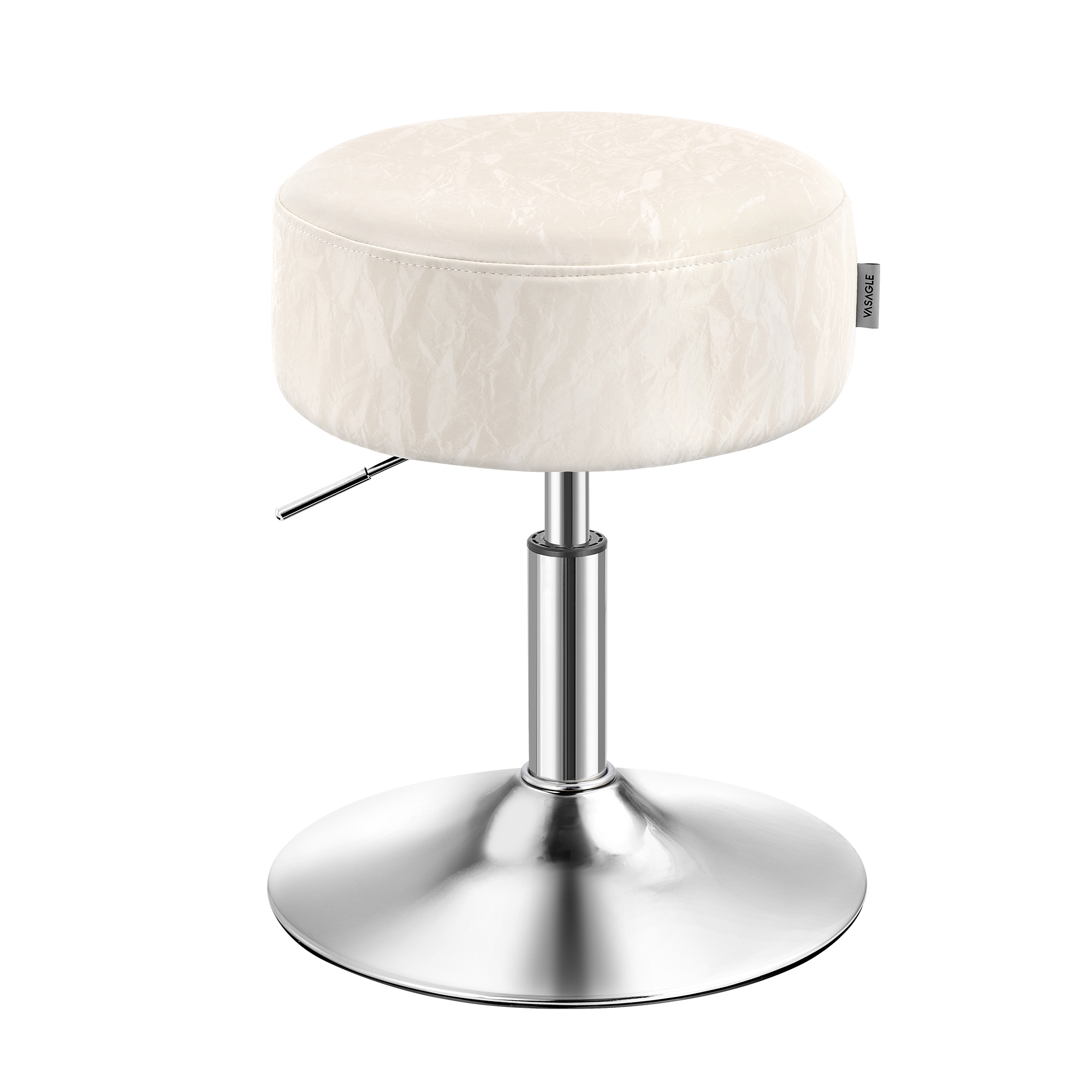
We have seen this in hospitality, co-working, and campus dining. The first order seems fine; the second exposes variance; the third pushes you into reactive mode. Does your supplier validate load rating, or only talk about polish and fabrics? Do you get traceability by batch, or a general promise? And if one hub is coastal and another is upcountry, what about humidity shift on joinery? These are not minor notes. They are the difference between quiet service and noisy complaints. Now, we compare in earnest and build the right lens for selection—and we keep it simple to apply in the field.
Hidden Gaps in the Usual Buying Playbook
Where does risk hide?
The biggest risk is not price. It is mismatch. With wholesale wood bar stools, many buyers default to catalog looks and a friendly quote. Look, it’s simpler than you think: start with structure, not style. Ask for moisture content on kiln-dried hardwood, a real load rating, and a short note on mortise-and-tenon joinery or equivalent fastener strategy. Then check the MOQ and whether it drives you to overbuy. If the MOQ forces an extra pallet, your savings may vanish—funny how that works, right? You also want clarity on finish schedule, especially if the topcoat is a UV-cured finish that resists abrasion. A pretty seat that scuffs in week three is not a bargain.

Another blind spot is field performance vs. lab talk. Do they follow a known protocol like ANSI/BIFMA for stools? Are there QC inspection checkpoints for wobble, racking, and torque on the footrest ring? If knock-down (KD) construction is used, confirm hardware grade and thread-lock. In real life, a minor tolerance slip on a leg glide becomes a rocking chair on tile. And the BOM matters. If the bill of materials swaps beech for mixed hardwood without a flag, you inherit variance. The lesson is clear: document, test, and verify before you scale your SKU. Direct methods, low drama.
Comparative Outlook: Materials, Mechanisms, and Modern Supply
What’s Next
Forward-looking buyers compare by pathways, not only by products. One path leans on resilient materials and simple assemblies; another leans on features like swivel mechanisms and soft glides that protect floors. Work with a capable bar stool supplier to map these trade-offs. A case example from a café chain shows why. They first chose a rubberwood seat with a basic lacquer and no batch traceability. Returns hit 9% within a season. The pivot used kiln-dried beech, UV-cured finish, and batch codes tied to ERP. Returns fell under 3%, and the SKU rationalization cut two variants. The unit economics improved because container optimization rose by 12%, and palletization shifted from 8 to 10 units per layer—small tweaks, big delta.
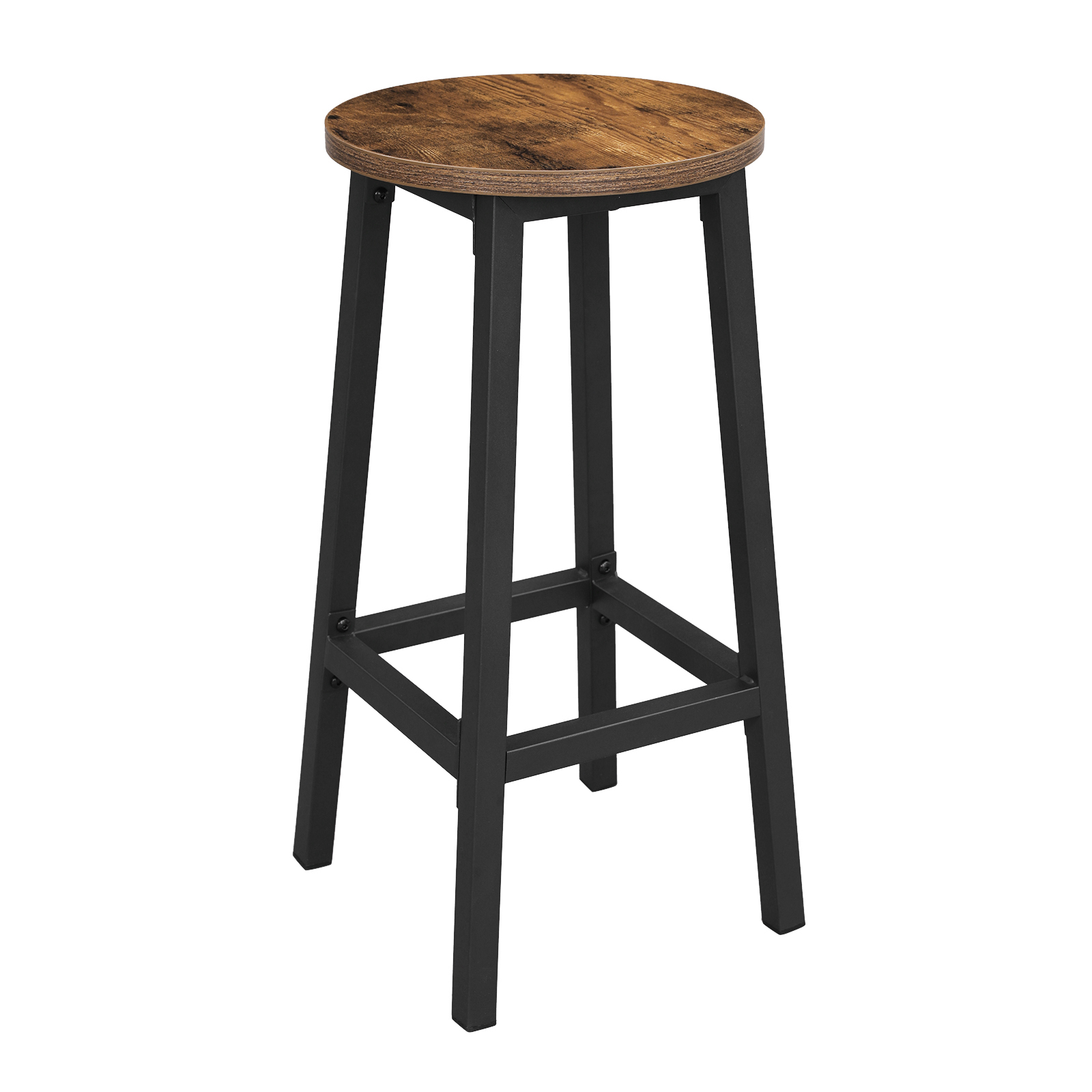
The future trend is testable data at the edge of the supply chain—close to the factory, but also close to your site. Pre-shipment QC with torque tests on footrest rings, plus on-site drop tests, create a feedback loop. Add simple CNC routing tolerances and periodic jig checks, and the wobble risk drops fast. Lead time stays steady because rework is lower. And you feel it on day one—chairs sit flat, the finish holds, and the floor stays quiet. This is not theory; it is applied comparison with numbers, deadlines, and real diners. Maintain the frame: materials, mechanics, and logistics. Let those three decide the winner.
Closing Metrics for Smarter Procurement
Advisory close, crisp and measurable:
1) Structural integrity index: require a verified load rating, racking test data, and at least one ANSI/BIFMA reference. Make sure KD hardware grades are documented.
2) Finish durability score: ask for abrasion cycles for the UV-cured finish, plus stain and moisture resistance. Track field scuff rates by site for 60 days.
3) Logistics efficiency ratio: combine MOQ, packout, and container fill rate. Aim for higher units per pallet without crushing protection. Confirm lead time variance, not just average. When these three metrics sit in green, costs go down, returns calm, and teams stop firefighting. That is good business, and good service to guests. For a steady hand and clear specs, see SONGMICS HOME B2B.