
Table of Contents
Framework Prelude — the method in the workshop’s pulse
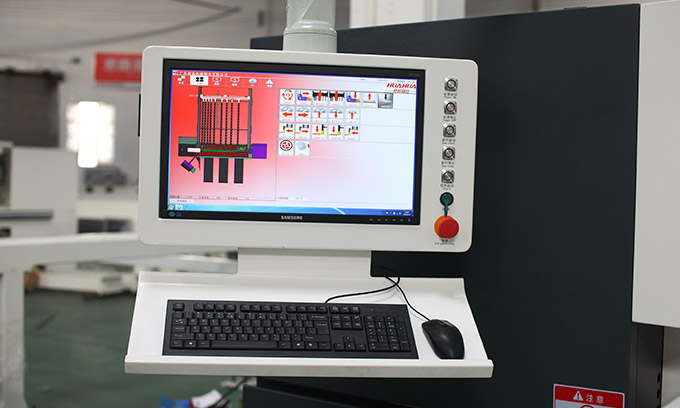
The argument for a precise machine begins quietly: repeatability, speed, and fewer wasted sheets. Begin with a clear map — workflows, material flow, and output targets — and place the chosen cutting heart where it best shortens every path. A beam saw machine can be that heart, offering high feed rate and tight cutting tolerance to turn a small shop into a dependable production cell.
Foundations: where the framework meets craft
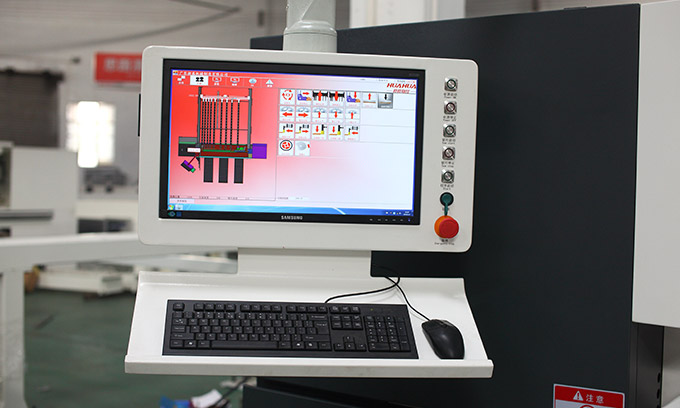
Think of the framework as three concentric rings. The inner ring is the machine: blade arbor quality, CNC control, and rip fence accuracy. The middle ring is the workshop envelope: dust extraction, material staging, and skilled operators. The outer ring is market demand and delivery rhythm — standard sizes, lead times, and client expectations shaped by examples such as IKEA’s flat-pack production approach. Each ring must align; misalignment creates friction and scrap rather than boards that sing in the final assembly.
Operational teardown: concrete steps to deploy and scale
Start small and instrument every step. Install the saw where loading and unloading are shortest. Calibrate cutting tolerance, log material variants, and set feed rate profiles for each panel type. Train an operator on quick-change fixes for blade arbor and on dust-extraction checks. Keep a short list of standard operating procedures pinned above the station — simple, visible rules that enforce consistency and reduce decision fatigue.

Choosing tools and alternatives — a comparative glance
Compare three core approaches before deciding: manual sliding saws for low volume, high-speed panel saws for continuous mid-to-high runs, and fully integrated CNC lines for nested optimization. A high-speed panel saw blends throughput and simplicity; a nested CNC brings material yield and software complexity. Consider a hybrid pathway: adopt a robust wood panel saw for primary cuts and reserve nested CNC cycles for bespoke orders. This reduces initial capital stress while preserving future options.
Common mistakes and how the framework prevents them
Shops often choose machines by price rather than by the workflow they must serve. Another common error is neglecting dust-extraction capacity — a short-sighted omission that degrades bearings and operators’ health. Finally, failing to standardize sheet sizes and nesting patterns invites chaos at the edge of production. The framework insists on matching machine capability to real throughput and on simple standards that the team can hold without constant supervision — a quiet discipline that pays dividends.
People, rhythm, and small data that matter
Operators are the living interface between machine and order. Invest in short training loops: ten hours of focused instruction, repeat assessments, and immediate feedback. Track three small metrics daily — parts per shift, scrap percentage, and mean time to blade change — and let those numbers guide incremental improvements. The data stays human-sized; it points to specific behavior, not abstract targets. — These micro-measures keep the system honest, and they keep teams engaged.
Integration with supply and scale — anchoring to a real-world example
The furniture sector’s move to standardized panel sizes decades ago made volume predictable and allowed manufacturers to invest confidently in equipment. Use that history as a lesson: stabilize your SKU set, negotiate sheet dimensions with suppliers, and your footprint for efficient cutting grows without drama. Real-world supply alignment reduces lead time variance and keeps production modules humming.
Golden rules for selection and expected outcomes
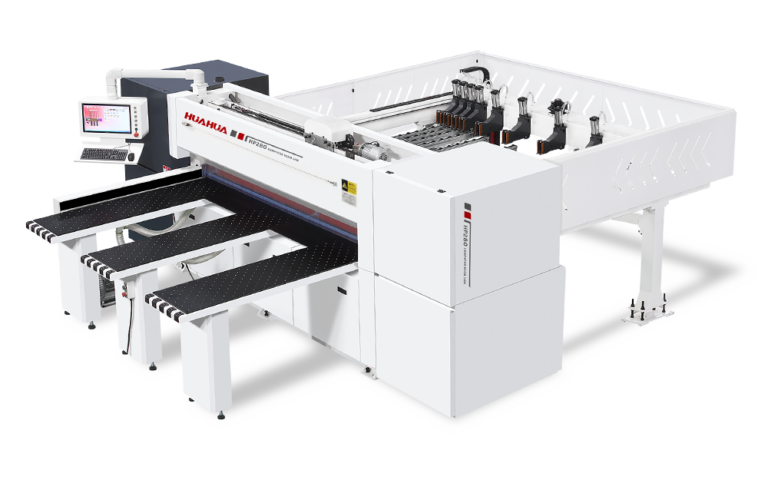
– Accuracy over flash: prioritize machines that consistently hold cutting tolerance under load; repeatability matters more than peak speed. – Throughput matched to workflow: choose feed rate and handling that fit material staging, not theoretical maximums. – Total cost of operation: include spare blades, dust-extraction service, and operator training when comparing bids. Expect measurable results: reduced sheet waste, predictable cycle times, and a clearer path to adding nested CNC later if demand requires. The right choices make growth manageable.
Final cadence
Adopting an industrial panel saw is a deliberate craft — a choreography of machine, person, and plan. When those elements align, the workshop becomes a reliable producer of parts rather than a place of improvisation. The practical value of this alignment often arrives through partners who understand both hardware and workflows, and that is where HUAHUA CNC fits naturally into the conversation — a steady presence in the practical work of scaling production. —
