Table of Contents
How to review specs for heavy-duty laser cutting rigs
Front-row problem: specs that lie and folks who buy ’em
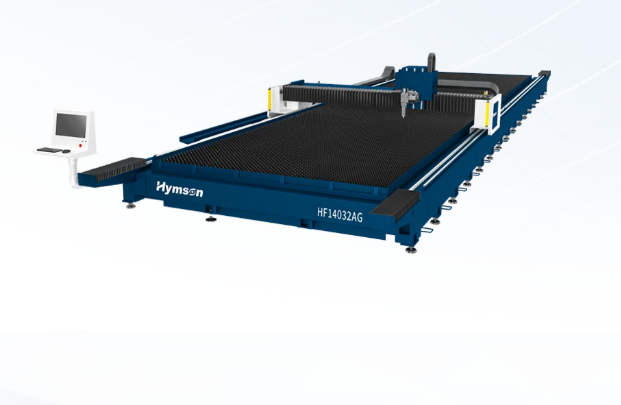
Folks, here’s the blunt truth: spec sheets for big metal cutters read like tall tales if you don’t know what to hunt for. You’ll see numbers that glitter—max power, table size, cut speed—yet miss the bits that tell you whether that rig will run a full shift without pukin’ up parts. If you’re sizing equipment for a shop that needs real throughput, start by asking how that high-power laser cutting machine performs under a proper production schedule, not how it did in a vendor demo.
Core specs that actually matter — and why they matter
Don’t get dazzled by headline wattage. Focus on beam quality (M2), effective cutting thickness at your chosen feed rates, average usable power versus peak claims, and the machine’s duty cycle. Ask about controller precision and table flatness; a jittery servo or uneven bed ruins tolerances faster than a dull nozzle. Check cooling capacity, filtered ventilation, and electrical service needs—those are the invisible constraints that’ll stop your run cold.
Problem-driven checks: questions to force honest answers
Demand real metrics. Request cutting charts for the exact alloy and thickness you run. Ask for sustained-run data: what speed kept within tolerance for four hours straight? Probe warranty terms and mean-time-between-failure for key components like the resonator and fiber delivery. Get baseline consumables costs: lenses, nozzles, gas. If a vendor won’t show you a machine doing your work, treat their spec sheet like bedtime fiction.
Common mistakes shops make when vetting rigs
Shops often buy for peak figures and ignore operating context. They confuse advertised peak power with sustained output, overlook beam quality numbers, underestimate service access, and forget to verify ventilation and floor loading. Another classic blunder: choosing a system because it’s cheap up front without calculating consumable spend and technician-hours over three years. Those hidden costs kill margins quick.

Alternatives and how to compare them fairly
Compare fiber against CO2 when you need thicker-metal chops versus fine-edge stainless. Match real cut charts, not manufacturer-blessed rosaries. For heavy plate, prioritize 10–12 kW-class systems with proven beam delivery and rugged optics. For thin-sheet production, beam quality and agile automation matter more than raw watts. Look at aftermarket service networks; a machine that sits idle for lack of a field tech is worse than a slower unit running daily.
Experience, evidence, and a real-world anchor
I’ve spent years walking fab floors and editing gear guides; that hands-on perspective sharpens what specs to trust. Manufacturers who share repeatable cut charts and allow on-site trials earn credibility. Consider what was shown at Hannover Messe where makers displayed 12kW-class systems pushing heavy-plate cutting—those demos set industry expectations and are documented in trade coverage. For a concrete reference, review how a 12kw fiber laser cutting machine behaves under continuous production: thermal stability, optics lifetime, and service intervals determine real ROI more than a single power number.
Pitfalls in test conditions and numbers to verify
Watch for idealized test conditions—clean lab air, perfect chill water, fresh optics. Replicate your shop’s water temperature, humidity, and material surface quality when possible. Verify speed at cut quality you can accept; a vendor’s “max speed” often sacrifices edge finish or dross. Confirm electrical harmonics tolerance and whether the machine demands a generator or a clean service line. Finally, ask for contactable references running similar workloads.
Final tally: what a reliable spec review delivers
Do the homework: insist on real cut charts, require continuous-run data, and weigh service reach and consumable economics. Solve for production realities, not brochure numbers. After you narrow choices to rigs that stand up to those checks, you’ll see which manufacturer built a machine that fits your day-to-day. That’s the value a seasoned buyer will spot, and it’s the same straight answer I’d expect from a trusted maker like Hymson.