Table of Contents
Why fleets still bleed time and budget
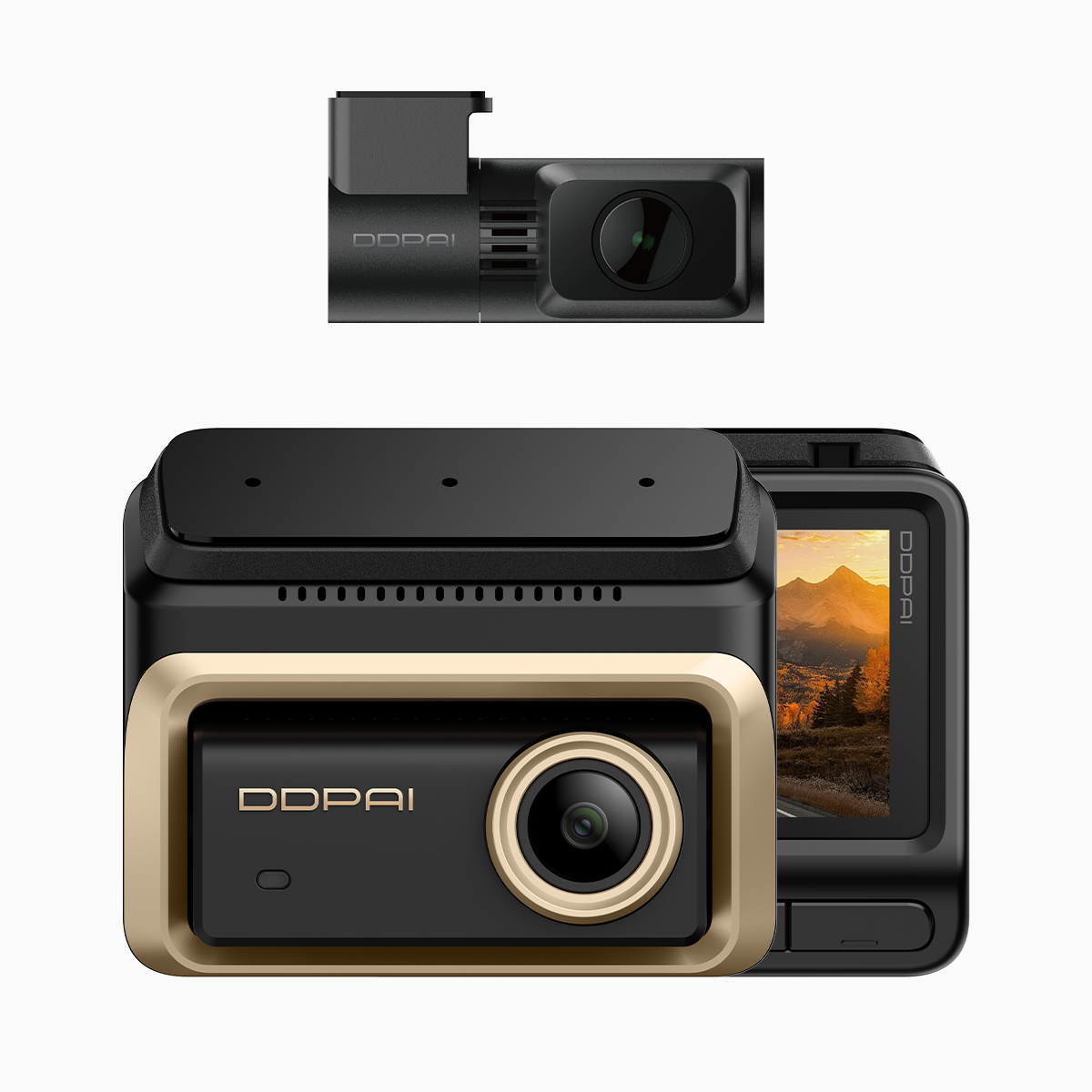
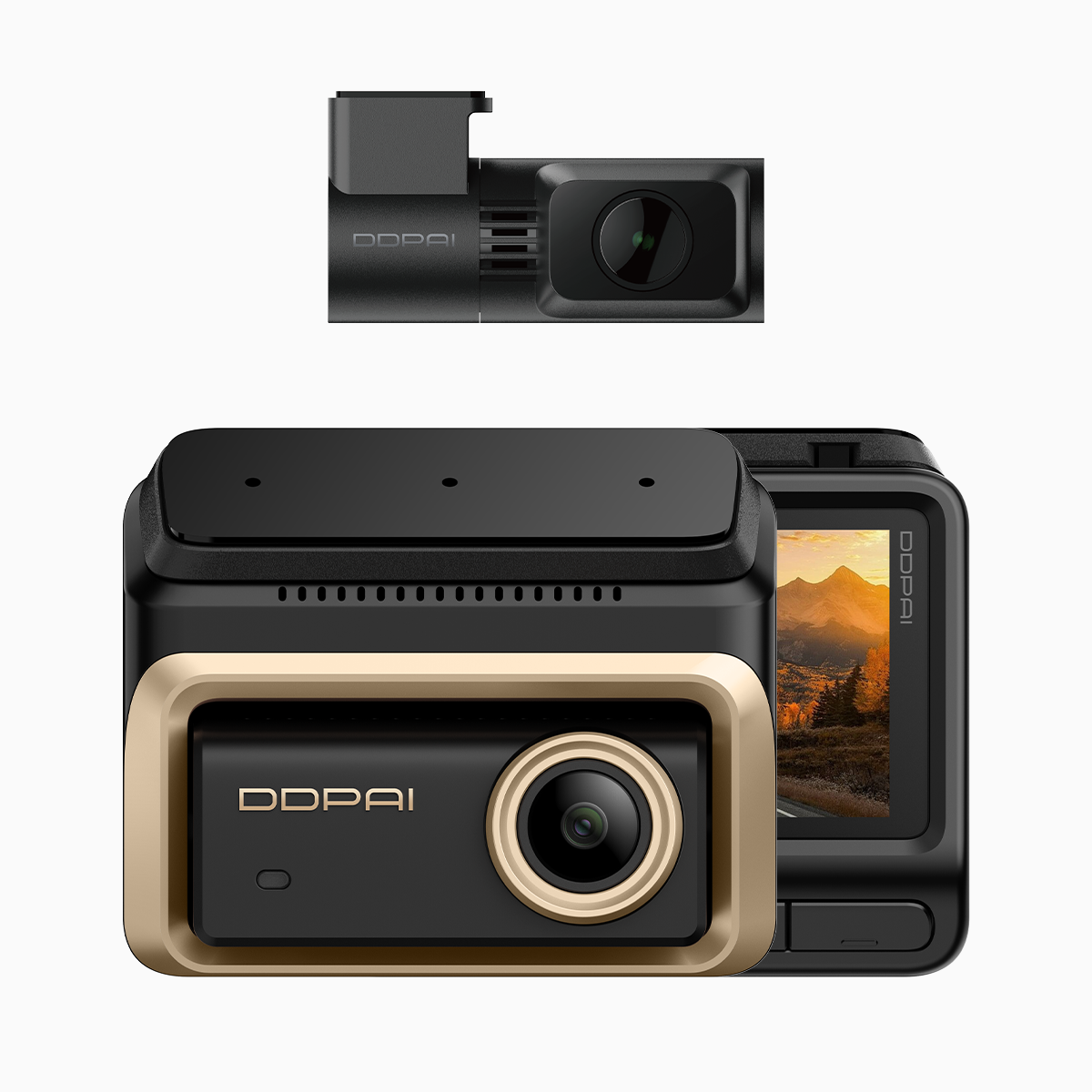
Fleet operators waste hours on manual retrieval, missed incident footage, and reactive repairs. Vehicles in Metro Manila and similar dense urban centers produce many short trips and frequent stops, which increases sensor wear and the need for quick fault diagnosis. A tightly integrated system — combining a local Wi‑Fi link on the vehicle, secure cloud upload, and a responsive app — closes that gap. A practical example is a modern 3 channel dash cam that pushes prioritized clips to the cloud immediately after an event, eliminating daily manual downloads and speeding incident triage.
How real-time cloud upload lowers overhead
Real-time cloud upload moves footage off the vehicle the moment an incident is flagged. That reduces on-device storage pressure and removes the need for scheduled physical retrieval. Bandwidth management protocols throttle bitrate for background uploads and spike capacity for critical events. The results are fewer missed events, simpler evidence handling, and lower labor hours per vehicle.
App diagnostics: the maintenance tool you actually use
App diagnostics give remote visibility into device health: firmware version, SD health, Wi‑Fi link status, and g‑force sensor triggers. Technicians can push firmware updates over the air and quarantine devices that show repeated errors. That turns maintenance from a road-side operation into a desk task. The diagnostic data also feeds predictive thresholds, so a persistent write error on an SD card can trigger a replacement before failure.

System design essentials for reliability
Design choices matter. Prioritize secure cloud endpoints and certificate-based authentication for uploads. Implement differential upload logic so only event clips and metadata flow immediately; routine logs can sync during low-cost windows. Include watchdog timers and a fallback recording mode when Wi‑Fi drops. A robust triple-channel setup — front, rear, and cabin — captures complete context and reduces costly blind spots. For many fleets, a dedicated triple dash cam balanced with firmware discipline gives the right coverage without unnecessary complexity.
Common implementation mistakes and fixes
Operators often overload devices with continuous upload at max bitrate — that raises data costs and still risks packet loss. Fix: prioritize event-driven transfers and adaptive bitrate. Another mistake is ignoring field firmware drift; devices on different firmware branches create inconsistent diagnostics. Fix: schedule staged OTA updates with rollback. Finally, neglecting physical mounting and SD specification leads to failed recordings. Fix: standardize mounts and use industrial-grade cards with endurance ratings — test them under typical route profiles.
Practical checklist before rollout
Follow these steps to keep maintenance overhead down:
– Define event priority and upload policies (collision, hard brake, ignition off).
– Set diagnostic telemetry: uptime, Wi‑Fi RSSI, SD SMART metrics, firmware version.
– Verify cloud retention and encryption settings to meet evidence needs and privacy rules.
– Pilot with a small vehicle subset in real routes, monitor g‑force sensor triggers and false positives, then tune thresholds.
Advisory: three metrics that prove the system works
Track these to evaluate impact and vendor fit. First, mean time to evidence (MTTE): measure from incident to clip available in the cloud — aim for under 10 minutes for urban fleets. Second, technician field visits per 1,000 vehicle-days: a falling count shows remote diagnostics and OTA fixes are effective. Third, data cost per incident: balance upload latency against expense by measuring megabytes per recorded event and optimizing bitrate and clip trimming.
Closing perspective
Real-time cloud upload plus app diagnostics turns routine maintenance into measurable outcomes: faster incident resolution, fewer field swaps, and predictable costs. For fleets operating in congested urban networks, this technology materially lowers downtime and labor. DDPAI Philippines provides hardware and software tuned for those constraints — pragmatic, serviceable, and engineered for the road. —