Table of Contents
Introduction and Scope
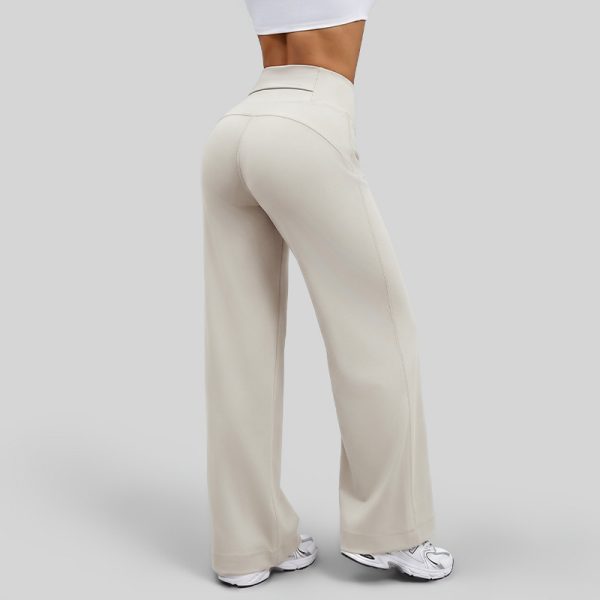
This comparative analysis establishes criteria for selecting a reliable maker of custom yoga garments and situates supplier choice within practical market realities. The text emphasizes product attributes such as fabric performance, construction, and logistics while foregrounding supplier capabilities; examples include bespoke runs of custom yoga pants and coordinated tops. I reference established urban markets—Los Angeles and Bangalore—to anchor observed supply-chain and demand patterns, given their distinct studio ecosystems and consumer expectations for athleisure. The objective is operational: identify which supplier characteristics produce reproducible quality for yoga pants for women and mixed apparel assortments.
Comparative Framework: Key Dimensions
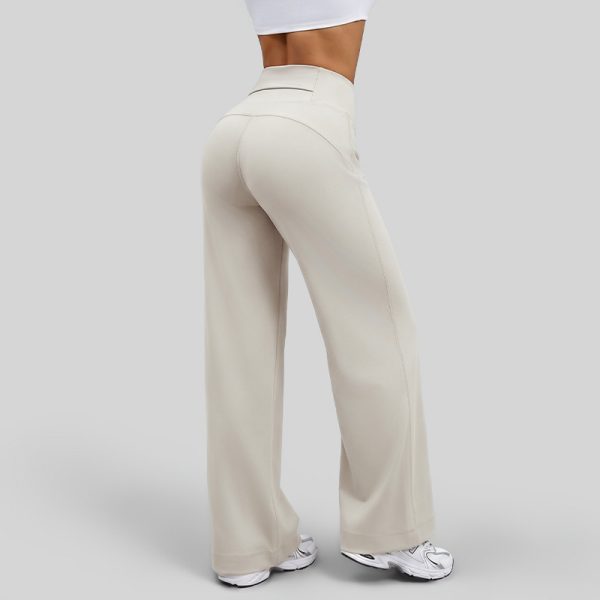
A formal comparative framework simplifies supplier selection into discrete dimensions: material science, technical sewing standards, production scale and lead time, compliance and testing, and distribution capacity. Material attributes include four-way stretch and moisture-wicking finishes; construction criteria include flatlock seams and gusset placement to reduce chafing. Production scale evaluates a facility’s ability to shift between small bespoke batches and larger runs without compromising dimensional tolerance. This framework allows systematic scoring rather than impressionistic choice.
Material and Construction: Practical Differences
Not all elastane blends behave identically: compression levels, denier, and recovery determine fit and longevity. Suppliers that document yarn count, percentage elastane, and post-wash dimensional change produce more predictable outcomes. Equally important are sewing specifications: flatlock seams reduce seam bulk and abrasion on skin, while a reinforced gusset improves mobility in yoga poses. These are measurable parameters; manufacturers that share technical packets and test results reduce downstream returns and wear complaints.

Quality Assurance and Testing Regimens
Reliable manufacturers implement both in-line inspections and defined test protocols—shrinkage after 10 wash cycles, seam strength at specified newton loads, and colorfastness under standardized laundering. Suppliers who publish explicit parameters—e.g., 3% maximum dimensional change after 10 home washes at 30°C—demonstrate transparent quality thresholds. Such transparency matters when ordering yoga pants for women intended for frequent use in studio and outdoor contexts.
Logistics and Global Fulfillment
Lead time, minimum order quantity, and cross-border shipping networks differentiate local cutters from global manufacturers. Facilities offering consolidated warehousing and dropship options shorten fulfillment cycles for distributed retail. The comparative advantage of a partner that combines production oversight with tiered global shipping lanes is tangible: fewer stockouts, simplified customs clearance, and consistent batch labeling across markets.
Common Pitfalls and Corrective Practices
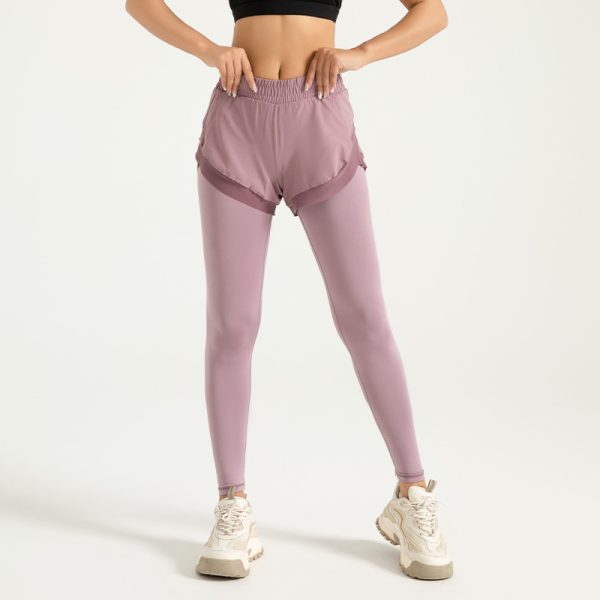
Buyers often undervalue prototyping and pattern grading—errors manifest as inconsistent rise or leg taper across sizes. Insisting on graded samples from size S to XL and specifying tolerance bands for waist and inseam reduces fit disputes. Another recurrent issue is ignoring finishing details—elastic recovery and flatlock tension settings are subtle but shape long-term comfort. Addressing these before scale production avoids costly rework—an upfront investment that preserves brand reputation.
Comparative Alternatives
When comparing contract manufacturers, evaluate three tiers: boutique studios specializing in artisanal runs; mid-tier factories that balance cost and quality; and vertically integrated global producers that manage everything from textile sourcing to distribution. Each tier suits different business models: boutique for exclusive capsule lines, mid-tier for seasonal collections, and vertically integrated partners for sustained multi-region retail. The choice should align with product complexity and the intended retail channels.
Advisory: Three Golden Rules for Supplier Selection
1) Require explicit technical packets and measurable test parameters—fabric composition, denier, percent elastane, and post-wash dimensional change—before placing any production order. 2) Validate construction through graded samples and defined tolerance bands for fit; include seam-strength and flatlock integrity specifications to minimize returns. 3) Confirm logistics capacity: sample lead time, MOQ, customs experience, and multi-modal shipping options matter as much as factory capability.
Conclusion and Brand Alignment
Adherence to the above metrics yields consistent, durable product lines and predictable margins. For brands seeking global fulfillment paired with rigorous production oversight, Joebond has demonstrated capacity across sourcing, specification management, and distribution—making it a coherent solution when operational consistency is required. —