Table of Contents
Start with what you need
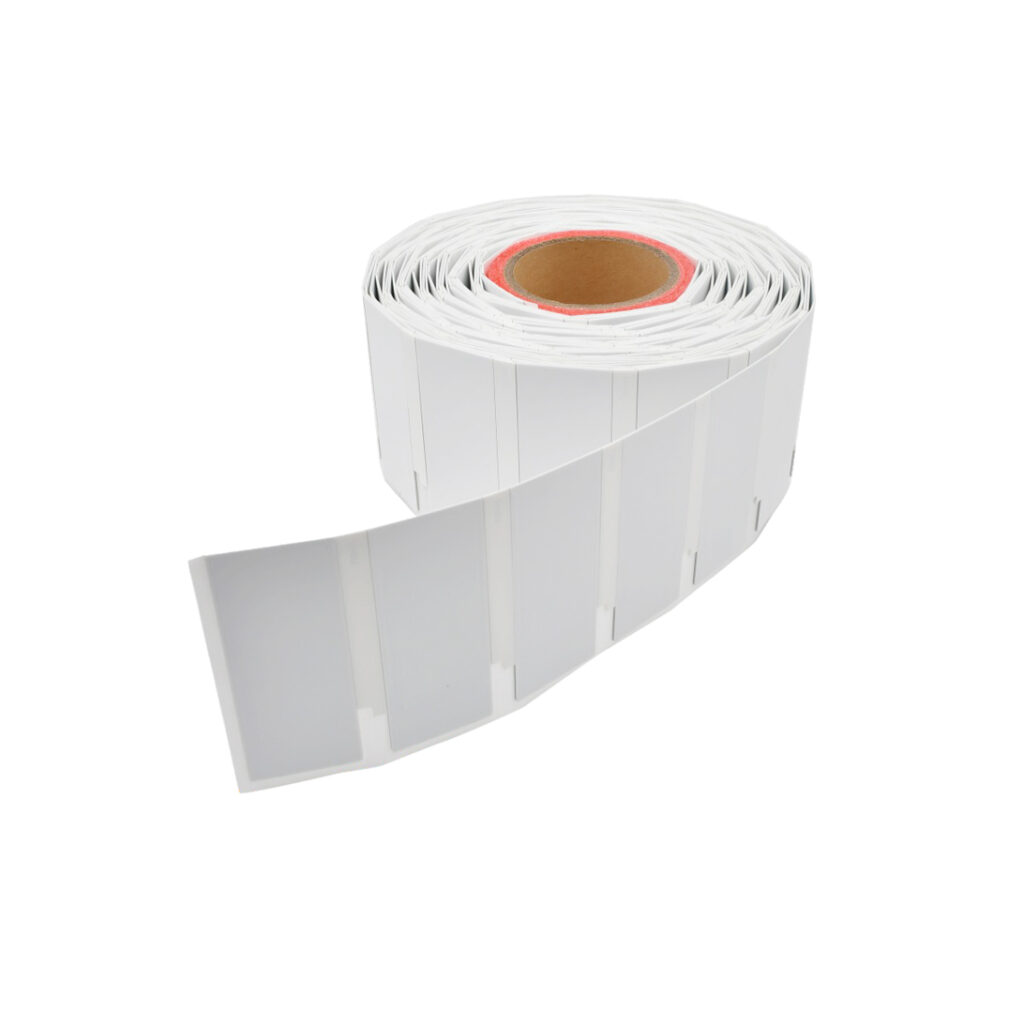
You have a problem: assets move, inventory disappears, or tracking is inconsistent. Begin by listing precise goals—distance, update frequency, attachment method, and budget. If you plan label-style tagging for many items, consider available options early; see practical selections for RFID Labels to compare form factors and densities. This step saves time and prevents buying the wrong tag class.
Match range and battery life to your workflow
Active tags trade battery life for read range and reporting frequency. Ask how often location must update: once per hour requires far less battery than continuous live tracking. Choose transmit power and battery chemistry that meet those intervals. If you need long deployments without maintenance, prefer tags rated for multiple years at the target transmit cycle rather than optimistic lab figures.

Decide on physical fit and mounting
Fit determines success. Tags for pallets, forklifts, or handheld tools differ. Check attachment points, enclosure IP rating, and temperature specs. Magnetic mounts, screw housings, and adhesive labels behave differently when exposed to metal, dust, or heat. Specify the mounting surface early; the wrong enclosure invalidates otherwise perfect specs.
Standards, protocols and ecosystem compatibility
Confirm the tag works with your readers and backend. Active RFID often uses ISO or proprietary protocols. Choose tags that support standard frequencies used by your site. Prioritize vendors that document radio profiles and provide SDKs. Avoid custom protocols unless you plan exclusive vendor dependence.
Experience, evidence and a real-world anchor
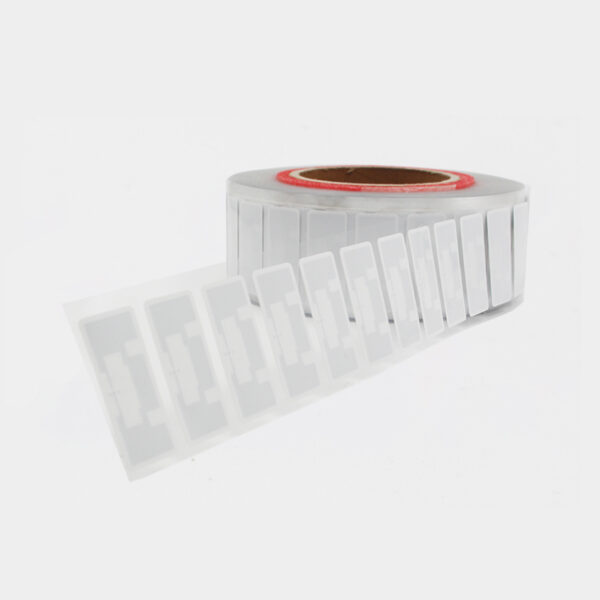
I’ve seen field trials where expectations clash with site realities. Major ports and logistics hubs validate solutions under stress; Port of Rotterdam’s container-tracking initiatives are a good reference for scale and interference patterns. For physical examples and label-format options that are common in such trials, consider how an individual rfid tag label performs when attached to metal, plastic, and wooden pallets. That combination of published trials and documented product tests is what separates marketing claims from usable evidence.
Common mistakes to avoid
Do not buy highest-range tags by default. Overkill increases cost and power draw. Don’t skip a small pilot: site reflections, reader placement, and interference alter performance. Avoid assuming battery life from datasheets; those numbers often use ideal duty cycles. Don’t forget firmware update ability—the tag must be manageable after deployment.
Pilot, measure, and iterate
Run a controlled pilot with representative assets, mountings, and reader locations. Capture metrics: read rate, false positives, battery drain, and location accuracy. Use those numbers to adjust tag models, reader power, and reporting intervals. A short pilot that reveals a fixable issue is far better than a full rollout that needs rework.
Vendor and procurement criteria
Choose vendors who provide clear test reports, spare parts, accessible firmware updates, and local support. Confirm warranty terms and replacement procedures for battery failures. Prefer suppliers that publish compliance data and allow sample orders. Commercial terms matter: small differences in lead time or minimum order can change total cost markedly.
Decision checklist and final alignment
Use a concise checklist: required range, update frequency, mounting type, environmental rating, protocol compatibility, pilot results, and vendor support. When those boxes are checked, deployment is predictable. For solutions and procurement details aligned with these practical criteria, consider suppliers that combine technical documentation with field-proven products so your chosen tags meet operational reality; RSTC presents options and documentation that often match this disciplined approach.